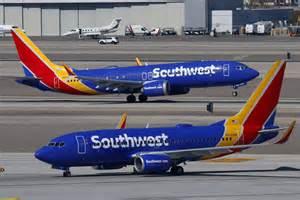
The incident at San Diego International Airport involving Erinn Hoyt and her alleged service dog has ignited a new wave of scrutiny toward Southwest Airlines’ policies, procedures, and passenger relations. This dispute—rooted in an accusation of defecation that the passenger firmly denies—has become a flashpoint in the broader conversation about how airlines handle travelers with disabilities and trained service animals.
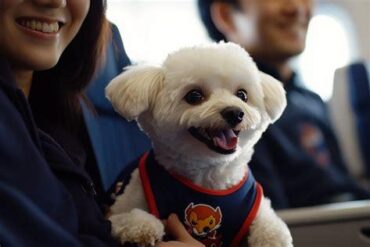
Hoyt, who lives with cystic fibrosis, diabetes, and has undergone a double lung transplant, relies on her trained service dog for essential medical support. Her routine airport journey turned into an unexpected confrontation when she was informed that her dog would be denied boarding. The airline claimed the service animal had defecated at the check-in counter—an event Hoyt insists never happened in any form.
Hoyt maintains that her dog remained with her continuously from check-in to security to the gate, with no incident, no smell, no cleanup, and no report until boarding time. She shared her frustration widely, accusing the airline of misrepresenting events and dismissing her firsthand account. As she put it, she would not somehow overlook her dog “taking a s***” inside a busy terminal.
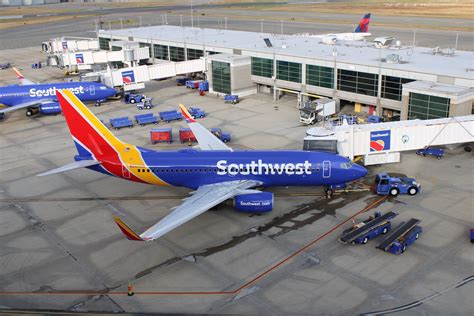
Hoyt says that for the full 90 minutes she spent in the airport before boarding, her dog showed no signs of distress and did not separate from her at any point. She had also completed and submitted Southwest’s formal service animal documentation before arriving at the airport, a requirement for all travelers flying with task-trained dogs.
The issue surfaced only at 8:36 p.m., long after check-in. A Southwest staff member called her name over the intercom and later informed her that the animal would be denied boarding due to the alleged defecation at check-in. Hoyt immediately challenged the claim and demanded proof—security footage, photographs, witness testimonies, or anything that could substantiate the accusation. No evidence was presented.
Her experience triggered a wave of responses from disability advocates, frequent flyers, and aviation insiders who questioned why an unsupported claim would override documented service animal status.
Southwest’s Response: Delayed, Vague, and Under Investigation
By the time her story spread through social media, the airline had not issued a clear response. When contacted, Southwest did not immediately provide comment, though internal sources later indicated that the event was under formal review.
The airline allegedly informed Hoyt afterward that she had checked in at 7:01 p.m., but the reported defecation issue was not mentioned to her until more than an hour later. This timeline has only fueled further questions about communication breakdowns and internal inconsistencies.
Further complicating the matter, Southwest reportedly reclassified her dog as non-service, meaning she had to pay a $150 pet fee and transport the animal in a carrier—something she says has never happened in her more than 25 flights this year. The carrier requirement would have rendered the dog unable to perform life-supporting tasks during the flight.
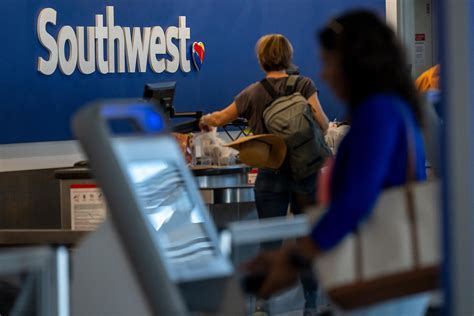
A Broader Trend: Bodily Incidents Driving Policy Conflicts
This is not the first time Southwest has faced backlash over an animal-related incident. In a separate recent case, a passenger and her cat were removed from a flight after the animal defecated, with a crew member allegedly stating, “bathroom is not your litter box.” Airlines are increasingly strict about animal incidents, but misidentifying a trained service dog’s behavior carries far deeper implications.
Federal regulations require airlines to accept properly documented, task-trained service dogs unless the animal is violent, uncontrolled, or posing a direct threat. Defecation incidents fall under sanitation rules—but only when the event demonstrably occurred.
In Hoyt’s case, the lack of evidence is the core of the dispute. Her supporters argue that denying a disabled passenger boarding based on an unverified claim undermines disability protections and opens the door to arbitrary enforcement.
Impact on Future Travel and Disability Rights
The controversy escalated when Hoyt was informed that her service dog had been removed from her profile for future flights, forcing her to contest the classification. She successfully had the dog reinstated but remains concerned about how easily a passenger’s access needs can be overridden.
Southwest, the largest carrier at San Diego International Airport with a 33.4% market share, operates more than forty nonstop routes from the airport. With such visibility, the airline’s handling of service animals sets a precedent that affects thousands of passengers with disabilities nationwide.
Hoyt has requested a refund and is pushing for transparency around how and why the decision was made. The airline’s internal investigation remains ongoing.
The Stakes: Trust, Accessibility, and Airline Accountability
The heart of the issue is not a disputed bathroom incident. It is whether airlines treat disabled travelers fairly, comply with regulatory obligations, and document serious allegations with care. A single unverified claim was enough to block a chronically ill woman from traveling with a medically essential companion. For many advocates, this is not a customer service failure—it is a systemic accessibility problem.
Southwest’s final report, whenever released, will likely influence future policy clarity, the training of front-line employees, and the standards of evidence required before stripping a service dog of its status. Air passengers who depend on service animals will be watching closely as the story continues to unfold.