Alaska Airlines has long been recognized for its customer service and accommodating travel policies, but recent federal regulatory changes have reshaped how the airline manages emotional support animals (ESAs) and psychiatric service dogs (PSDs). Understanding the nuanced differences between these categories and Alaska Airlines’ detailed protocols is essential for any traveler flying with a support animal. This guide unpacks the specifics and provides a comprehensive explanation of what you can expect when traveling with ESAs or PSDs on Alaska Airlines.
Emotional Support Animals on Alaska Airlines: No Longer Classified as Service Animals
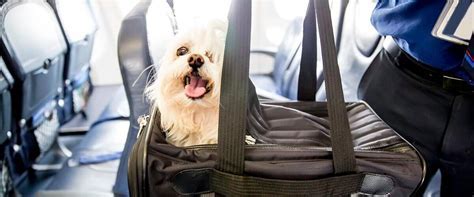
Following the U.S. Department of Transportation’s policy revision in January 2021, Alaska Airlines no longer recognizes emotional support animals as service animals. This means ESAs are now treated as standard pets under the airline’s pet travel policy. This policy change aligns Alaska Airlines with other major U.S. carriers in enforcing stricter definitions for service animals.
To travel with an ESA, passengers must:
- Reserve space in advance, as in-cabin pet space is limited.
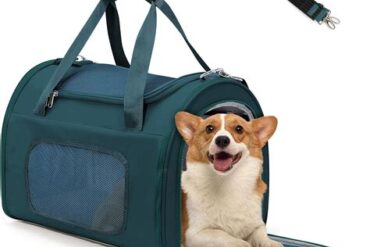
- Use an airline-approved carrier that fits under the seat.
- Pay pet fees, which start at $100 per flight segment.
- Ensure the animal meets breed and size restrictions, especially for in-cabin travel versus cargo.
For individuals who rely on their ESA for ongoing emotional or mental health support, a viable alternative is training the animal as a Psychiatric Service Dog, which can travel under service animal guidelines and bypass the associated fees.
Regulatory Landscape Shift: DOT Guidelines and Alaska Airlines’ Response
Under the updated Air Carrier Access Act (ACAA) guidelines, only dogs that are individually trained to perform tasks for a person with a disability are eligible to fly as service animals. Emotional support animals, by contrast, provide comfort simply through their presence and are not task-trained, which excludes them from service animal classification.
Alaska Airlines now requires passengers flying with PSDs to complete and submit the U.S. Department of Transportation Service Animal Air Transportation Form at least 48 hours before travel. This form verifies that:
- The dog has been trained to assist with a psychiatric condition.
- The animal behaves appropriately in public settings.
- The dog is healthy and vaccinated.
Although not required, having certification from a Service Dog Training School can help legitimize the dog’s status and streamline the verification process.
Psychiatric Service Dogs Fly Free: Alaska Airlines’ Inclusive Policy
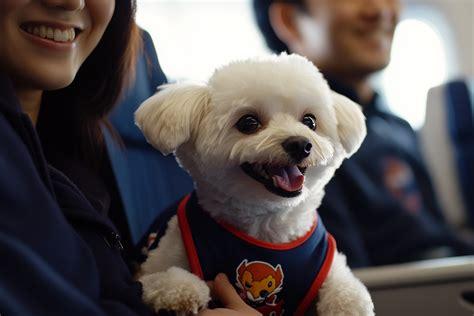
Unlike ESAs, psychiatric service dogs fly free on Alaska Airlines and are not subject to carrier restrictions or pet fees. PSDs can sit on their handler’s lap or at their feet, provided they do not obstruct the aisle or emergency exits.
Travelers flying with a PSD should:
- Submit the DOT Service Animal Form 48 hours in advance.
- Contact Alaska Airlines to ensure seating accommodates the animal’s presence.
- Select a window seat if possible to minimize disruption.
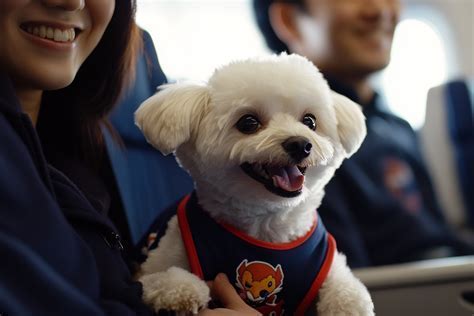
During the flight, PSDs must remain under control at all times, either harnessed, leashed, or tethered unless such devices interfere with the dog’s ability to perform its task.
How to Obtain a Legitimate Psychiatric Service Dog: Training and Certification
Not all dogs qualify as psychiatric service animals. To lawfully designate a PSD, the animal must be trained to perform specific tasks directly related to a mental or psychiatric disability. These may include:
- Retrieving medication.
- Applying deep pressure therapy (DPT) during panic attacks.
- Interrupting harmful behaviors.
- Waking the handler from nightmares.

Service Dog Training School offers a streamlined process to help individuals:
- Assess their eligibility through a short online quiz.
- Train their dog using a guided program focused on behavior, obedience, and psychiatric tasks.
- Obtain PSD certification, which can support documentation needs for airline travel.
While the DOT does not require certification per se, having proof of training offers peace of mind and may prevent unnecessary conflicts during boarding or flight.
Key Differences Between Emotional Support Animals and Psychiatric Service Dogs
Understanding the distinction between ESAs and PSDs is critical for travelers:
- Task Training: PSDs are trained for specific duties; ESAs are not.
- Legal Protections: PSDs are covered under the Americans with Disabilities Act (ADA) and the ACAA; ESAs are not.
- Fees: PSDs travel free; ESAs incur pet fees.
- Accommodations: Airlines must accommodate PSDs but not ESAs.
These differences affect travel, housing rights, and public access regulations. In air travel specifically, only PSDs are entitled to service animal protections.
Required Documentation for Service Dogs on Alaska Airlines
Traveling with a PSD on Alaska Airlines requires:
- DOT Service Animal Air Transportation Form: Confirms training, behavior, and health.
- Additional health certificates: May be necessary for certain destinations or international travel.
- 48-hour advance notice: Ensures the airline has time to review documentation and assign appropriate seating.
Failure to submit these forms on time may result in the dog being denied boarding or reclassified as a pet, subject to standard fees and restrictions.
Pet Travel on Alaska Airlines: Cabin and Cargo Options
Alaska Airlines allows pets to travel in the cabin or as checked baggage, depending on the animal’s size and breed.
Cabin Travel Requirements:
- Hard-sided carriers: 17” × 11” × 7.5” max.
- Soft-sided carriers: 17” × 11” × 9.5” max.
- Carrier counts as one piece of carry-on luggage.
Baggage Compartment Rules:
- Climate-controlled compartments are available for most domesticated pets.
- Certain short-nosed breeds (e.g., Bulldogs, Pugs, Boxers) are restricted due to respiratory risks.
Pet Fees:
- $100 per pet in-cabin.
- $150 per pet in baggage (discounted for travel within Alaska and active-duty military).
Reservations should be made early, as pet space on aircraft is limited and subject to capacity.
Alaska Airlines’ International and Domestic Travel Requirements
Whether traveling domestically or internationally, Alaska Airlines enforces strict rules to ensure animal safety and compliance with legal mandates.
Domestic Flights:
- Passengers must be 18+ years old to travel with a pet.
- Dogs and cats must be at least 8 weeks old, fully weaned, and eating solid food.
International Flights:
- Only dogs and cats are permitted.
- Health and vaccination certificates are mandatory.
- U.S.-bound pets may require proof of rabies vaccination (especially from high-risk countries per CDC).
Failure to meet international requirements could result in delays, fines, or animals being denied entry. Alaska Airlines does not cover these additional expenses.
Tips from Service Dog Training School for Seamless Travel
Travelers using ESAs or PSDs should:
- Plan ahead to fulfill all airline documentation and health requirements.
- Book early to secure space on flights with pet capacity limits.
- Research destination laws regarding service animals, particularly for international trips.
- Exercise and feed pets properly before the flight to ensure comfort and avoid illness.
- Ensure dogs are well-trained in behavior and PSD-specific tasks, reducing anxiety for both animal and handler.

Using an online training platform such as Service Dog Training School can provide the structure and guidance needed to raise a well-behaved service dog fit for air travel.
Frequently Asked Questions About ESA and PSD Travel on Alaska Airlines
Does Alaska Airlines Deny ESAs as Service Animals?
Yes. ESAs are treated as pets under Alaska Airlines’ current policy, following DOT regulations.
Can My Dog Sit on My Lap During the Flight?
Only if it is a trained psychiatric service dog that fits comfortably. ESAs must remain inside their carriers under the seat.
Does Alaska Airlines Require Proof of PSD?
Yes. Alaska Airlines requires the DOT form and may ask about the specific tasks the PSD is trained to perform. Presenting a certification from a service dog training program simplifies this verification.
Final Thoughts on Flying with ESAs and PSDs on Alaska Airlines
Alaska Airlines maintains a clear, policy-driven distinction between emotional support animals and psychiatric service dogs, ensuring alignment with federal transportation law while still accommodating individuals with disabilities. With proper documentation, advance planning, and thorough training, travelers can navigate the skies confidently alongside their psychiatric service dogs.
For ESA owners, the pathway to gaining service animal status lies in legitimate training and documented support. And for all passengers, understanding Alaska Airlines’ detailed policies ensures a smoother, stress-free journey for both human and animal companions.