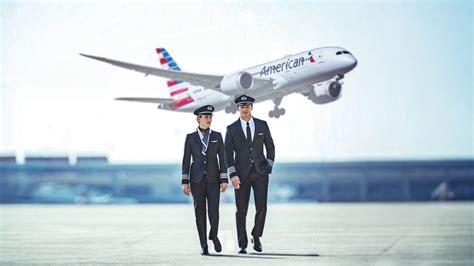
Airline loyalty has long been built on one powerful promise: fly often, spend more, and enjoy premium perks. For years, complimentary first-class upgrades have been among the most valuable rewards for American Airlines’ most dedicated customers. However, a controversial policy introduced as part of the airline’s 2023 pilot contract has fundamentally changed that equation, leaving many elite travelers frustrated while raising an important question about modern aviation: Should pilots receive priority over loyal passengers?
The debate extends far beyond a few first-class seats. It reflects the growing influence of pilot unions, the global shortage of qualified aviators, evolving airline economics, and the increasing tension between customer loyalty programs and operational reliability. While passengers see fewer opportunities to enjoy elite benefits, American Airlines argues the policy is a necessary investment in safety, staffing, and long-term stability.
The controversy has sparked passionate reactions from frequent flyers, aviation professionals, and industry analysts alike, making it one of the airline’s most discussed customer policy changes in recent years.
Why American Airlines Changed Its Pilot Upgrade Policy
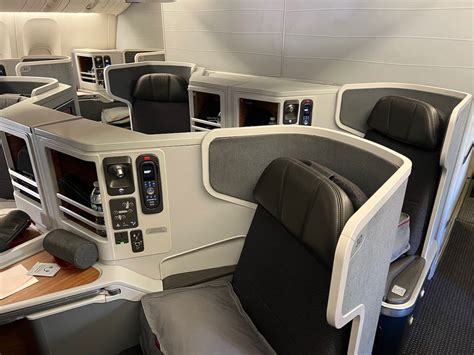
The policy stems directly from the landmark labor agreement signed in 2023 between American Airlines and the Allied Pilots Association (APA). Among numerous improvements covering compensation and quality-of-life enhancements, one clause has attracted exceptional attention.
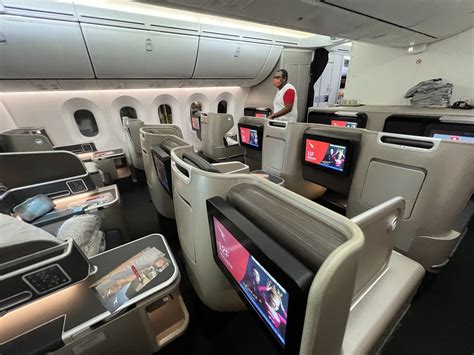
Deadheading pilots—pilots traveling as passengers to position themselves for another scheduled flight assignment—are now granted significantly higher upgrade priority. On long-haul international repositioning flights, these pilots are assigned the highest available cabin because they are expected to operate another aircraft shortly afterward. On many domestic flights, they move to the top of the upgrade list during check-in.
For American Airlines, the reasoning is straightforward. A pilot who arrives rested is better prepared to safely operate an aircraft carrying hundreds of passengers. While travelers may view a deadheading pilot as simply another passenger occupying a premium seat, federal fatigue rules recognize repositioning travel as part of a pilot’s workday rather than personal leisure.
The upgraded seat therefore becomes less of a luxury benefit and more of an operational tool designed to reduce fatigue before a pilot reports for duty.
Why Frequent Flyers Feel Betrayed
For many AAdvantage elite members, the policy represents far more than losing an occasional first-class seat.
Frequent flyers often spend tens of thousands of dollars annually on airfare, premium credit cards, partner spending, and business travel specifically to earn elite status. Complimentary upgrades are viewed as one of the most tangible rewards for that loyalty.
The frustration grows because first-class cabins on most domestic aircraft are relatively small. With only a handful of premium seats available—and many already sold—upgrade inventory has become increasingly scarce.
When elite members discover that a pilot in uniform has received the last available first-class seat while they remain in economy, many interpret the situation as the airline choosing employees over customers who financially support the business.
That perception has fueled criticism across aviation forums and social media, with some longtime loyalists arguing that elite status continues to lose value every year.
The Declining Value of Elite Status
The pilot priority policy did not emerge in isolation. Instead, it arrived during a period when complimentary upgrades had already become significantly more difficult to obtain.
Over the past decade, airlines have become increasingly sophisticated at maximizing premium cabin revenue. Rather than leaving first-class seats empty or giving them away to elite members, carriers frequently offer discounted paid upgrades shortly before departure.
This revenue optimization strategy has dramatically reduced the number of complimentary upgrades available across the industry.
American Airlines has embraced this approach aggressively, meaning many elite passengers were already experiencing lower upgrade success rates before pilots began receiving higher priority.
Consequently, the new contract provision has become symbolic of a broader shift in airline loyalty programs. Instead of rewarding status with guaranteed premium experiences, airlines increasingly encourage customers to purchase upgrades outright whenever possible.
For many longtime travelers, this transformation represents a fundamental change in what elite loyalty actually delivers.
Deadheading Explained: Why Pilots Need Premium Seating
To many passengers, the concept of deadheading remains unfamiliar.
A deadheading pilot is not commuting to work or traveling for vacation. Rather, the airline is transporting that pilot to another airport because the individual is scheduled to operate a different flight afterward.
These repositioning assignments are common within large airline networks.
Imagine a pilot based in Dallas who must operate a flight departing from London or Los Angeles. Before beginning that assignment, the pilot first needs transportation to the departure city.
Although seated as a passenger during this journey, the pilot remains on duty.
Long periods spent in cramped economy seating before operating an overnight international flight can contribute to fatigue, discomfort, and reduced alertness. Premium seating offers greater rest opportunities, more personal space, and an environment better suited for preparing to fly.
From a safety perspective, airlines and pilot unions argue these conditions directly support better flight operations.
Matching Industry Standards
American Airlines did not develop the policy in a competitive vacuum.
United Airlines and Delta Air Lines already provide similar protections for deadheading pilots under their own labor agreements.
During contract negotiations, the Allied Pilots Association argued that American needed to match competing carriers if it hoped to recruit and retain experienced flight crews.
Pilot demand has become extraordinarily competitive across North America.
Without comparable quality-of-life provisions, pilots could simply choose airlines offering better contracts, improved scheduling flexibility, and enhanced working conditions.
Consequently, the upgrade policy became less about customer service and more about maintaining competitive employment standards within the airline industry.
The Global Pilot Shortage Has Changed Everything
Underlying the controversy is one of aviation’s most important long-term challenges: a worldwide shortage of qualified airline pilots.
Thousands of experienced captains continue reaching the mandatory retirement age of 65 every year.
Replacing them is neither quick nor inexpensive.
Becoming an airline pilot requires extensive education, professional certifications, medical examinations, simulator training, and approximately 1,500 flight hours before qualifying for many airline positions in the United States.
The financial investment often exceeds $100,000 before candidates even begin airline employment.
The COVID-19 pandemic further disrupted the training pipeline. Airlines reduced hiring, delayed training programs, and encouraged early retirements while passenger demand collapsed.
When travel rebounded much faster than anticipated, airlines suddenly faced severe staffing shortages.
American Airlines now plans to recruit thousands of additional pilots over the coming years simply to maintain operations while replacing retirees.
Within that environment, quality-of-life improvements have become nearly as valuable as salary increases during labor negotiations.
Safety Versus Customer Satisfaction
Few airline debates illustrate competing priorities more clearly.
Passengers understandably believe their loyalty should receive recognition.
Pilots reasonably argue that arriving physically and mentally prepared enhances flight safety.
Both perspectives carry legitimate weight.
A fatigued pilot introduces greater operational risk than a disappointed elite member who remains seated in economy.
Although modern aircraft rely heavily on automation, pilots continue making countless critical decisions involving weather, emergencies, fuel planning, traffic conflicts, and unexpected system failures.
Every measure that reduces fatigue contributes to stronger overall operational resilience.
For airline executives, prioritizing rested crews ultimately protects passengers, schedules, and regulatory compliance—even when individual customers dislike the immediate outcome.
Why American Airlines Has Limited Flexibility
Many frustrated travelers direct criticism toward American Airlines itself.
However, the company has relatively little room to alter the policy unilaterally.
Because the upgrade priority forms part of a legally negotiated collective bargaining agreement, changing it would require future labor negotiations with the Allied Pilots Association.
Given today’s pilot market, few industry observers believe American will seek to weaken a benefit considered essential for recruitment and retention.
Doing so could place the airline at a competitive disadvantage against Delta and United while risking labor disputes that would prove far more disruptive than dissatisfied elite members.
For management, maintaining operational stability outweighs preserving a shrinking upgrade benefit.
How Airline Loyalty Programs Are Evolving
The controversy also highlights a broader transformation occurring across global aviation.
Traditional loyalty programs once centered on rewarding frequent travel with complimentary premium experiences.
Today’s programs increasingly prioritize revenue generation.
Elite status still delivers meaningful benefits—including priority boarding, baggage allowances, preferred seating, and dedicated customer service—but complimentary first-class upgrades no longer occupy the central role they once did.
Instead, airlines emphasize dynamic upgrade offers, paid premium seating, subscription products, and personalized ancillary sales.
This evolution allows carriers to maximize aircraft revenue while still recognizing loyal customers in other ways.
The shift may disappoint longtime travelers, yet it reflects changing business realities throughout commercial aviation.
What the Future Holds for American Airlines Passengers
The pilot upgrade policy appears unlikely to disappear anytime soon.
Future negotiations between American Airlines and its pilots are expected to build upon—not reverse—the quality-of-life improvements established in the 2023 agreement.
Meanwhile, pilot shortages remain a significant challenge, mandatory retirements continue accelerating, and airlines compete aggressively for experienced flight crews.
Passengers should therefore expect complimentary upgrades to remain increasingly limited regardless of pilot priority.
As premium cabins continue generating higher revenue through direct sales and discounted upgrade offers, airlines have fewer incentives to distribute valuable seats without payment.
Frequent flyers may ultimately need to adjust expectations, viewing upgrades as occasional bonuses rather than dependable elite benefits.
Final Thoughts: A Necessary Trade-Off in Modern Aviation
American Airlines’ controversial pilot upgrade policy has undeniably disappointed many of its most loyal customers. From the passenger perspective, years of loyalty, significant spending, and elite status appear less valuable when employees receive priority for scarce premium seats.
Yet viewed through the broader lens of airline operations, the decision reflects deeper structural forces reshaping commercial aviation. A global pilot shortage, mandatory retirements, rising competition for qualified crews, stricter fatigue management, and industry-wide labor negotiations have fundamentally shifted priorities.
Ultimately, the airline faces a difficult balancing act between customer satisfaction and operational reliability. While fewer complimentary upgrades may frustrate elite travelers, ensuring that pilots arrive rested, retaining experienced flight crews, and maintaining stable flight schedules arguably provide benefits that extend to every passenger onboard. In today’s aviation landscape, sacrificing a limited number of premium seats has become a strategic cost of keeping aircraft flying safely, reliably, and competitively.