Airports are paradoxical spaces—designed to serve as gateways to adventure, yet all too often functioning as arenas of anxiety, conflict, and rage. The question is not simply why do people get angry at airports, but why do these spaces, more than nearly any other public environment, seem to elicit such consistent and explosive frustration. The answer lies in the collision of psychological vulnerability, structural inefficiencies, and relentless time pressure that airports uniquely embody.
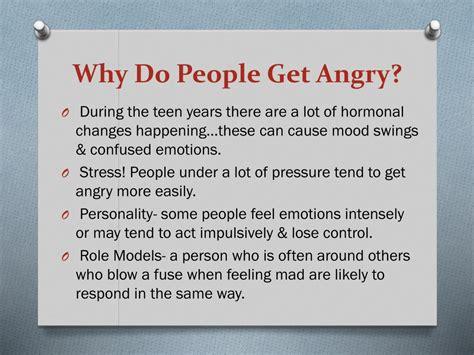
At the heart of the issue is stress. From the moment a traveler wakes up for an early flight, the clock begins ticking with ruthless intensity. Unlike other settings where delays can be absorbed with minimal consequence, every airport mishap is a potential domino in a cascade of ruined plans. A minor traffic jam en route to the terminal can turn into a missed bag drop. A long check-in line can eat away at boarding time. A security delay can become the straw that breaks the traveler’s patience.
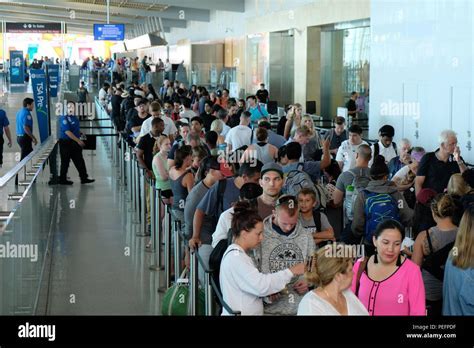
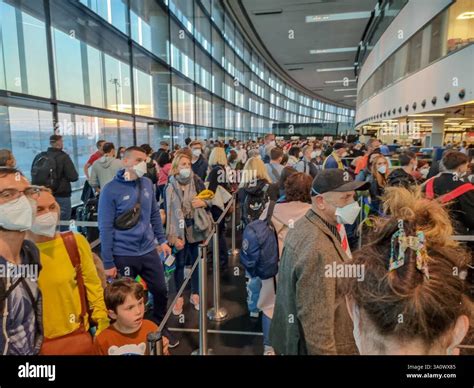
Worse still, airports are engineered around bottlenecks. Long queues at check-in counters, security lanes, passport control, and boarding gates are not exceptions—they are standard. While such queues are a logistical necessity, they are also emotional landmines. Most travelers are not angry people by default. They become angry through cumulative provocation.
The Stress-Crushing Timeline of Air Travel
The journey through an airport is a series of stress-inducing checkpoints, each with its own emotional toll. The modern airport experience has become a gauntlet of inconvenience—one that stretches patience and exposes everyone to situations they cannot fully control.
At check-in, frustrations often begin with slow-moving lines, understaffed counters, or malfunctioning kiosks. When a passenger is forced to gate-check their bag because overhead space is maxed out or loses a carefully chosen seat assignment due to overbooking, emotions simmer.
Then comes security screening, the stage that perhaps provokes the most resentment. Despite TSA PreCheck and Global Entry offering relief, they remain premium services. For most travelers, the process involves removing shoes, unpacking electronics, guessing at the 3.4-ounce liquid rule, and occasionally being pulled aside for a random secondary inspection that feels anything but random. The presence of uniformed, often armed personnel adds to a tense atmosphere already fraught with suspicion and surveillance.
Beyond the X-ray belt lies the gate area, a kind of purgatory where tensions mount. Flight delays, gate changes, and announcements made in barely intelligible intercom voices compound the stress. Seating is often scarce, outlets scarcer, and prices for food and drink border on exploitative.
Flight Delays, Unmet Expectations, and Emotional Erosion
Flight delays are among the most frequent and least controllable catalysts of airport anger. Unlike delays at a restaurant or a doctor’s office, a late flight often sets off a domino effect: missed connections, ruined business meetings, or precious vacation hours lost. But more than the delay itself is the opaque communication surrounding it. Airlines tend to reveal delays gradually, in 15- or 30-minute increments, giving passengers false hope and prolonging their agony.
Anger also arises from unmet expectations. Many travelers still carry an outdated mental image of air travel as a glamorous experience. In reality, rising fares have not improved comfort. Instead, seats have shrunk, legroom has diminished, and once-standard amenities like meals and free checked bags now come at a premium. Every removed perk, every nickel-and-dimed fee, feels like an insult. The result is a sense of betrayal—that airlines and airports are no longer in service of the traveler.
Worse yet is the in-flight environment, which often becomes the final pressure point. Seatmates may be loud, smelly, too large for their seat, or simply inconsiderate. The air is dry, the lighting harsh, and the cabin space claustrophobic. A two-hour delay on the tarmac, with no food, no air circulation, and no explanation, is enough to fray any traveler’s nerves.
Psychology, Powerlessness, and the Erosion of Control
What truly amplifies airport rage is the feeling of helplessness. Airports rob people of their ability to control their surroundings or predict what will happen next. Even simple needs—using a restroom, getting water, or securing a quiet place to sit—can become complex undertakings. For parents, travelers with disabilities, and the elderly, these stressors multiply.
Psychologically, many passengers are primed for agitation. Fear of flying, fear of missing important events, and worry over home security (did we lock the door? did we unplug the iron?) contribute to elevated cortisol levels long before anyone reaches their gate. Those with a history of anxiety, PTSD, or even nicotine withdrawal face compounding triggers, particularly during long immigration waits or flight disruptions.
Compounding the situation are social irritants. From passengers who block moving walkways, to those who fail to manage their crying child, or recline their seat into your lap, airport etiquette violations are the sparks that ignite already dry kindling. And then there is alcohol—often consumed more freely in airports—which lowers inhibitions and magnifies emotional reactivity.
Crowd Control: Disney Design Meets National Security
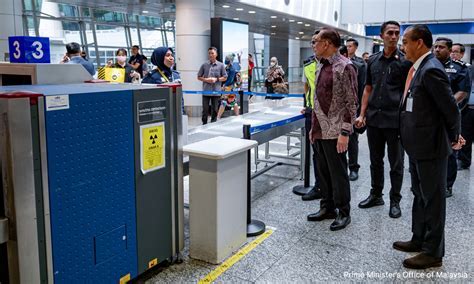
Interestingly, the layout of security queues reflects the tension between crowd management and civil liberties. In a post-9/11 era, the Transportation Security Administration (TSA) famously consulted Disney to help design more tolerable waiting lines. But while Disney visitors arrive voluntarily and excitedly, airline passengers are often tired, late, and resentful.
The comparison fails in one key way: Disney offers delight after the wait. At airports, the payoff is a high-stress metal detector, potential pat-downs, and scrutiny that can feel dehumanizing. The mood is not lifted by souvenir shops or gourmet cafés. Most travelers emerge from security more anxious than when they entered.
The Role of Poor Infrastructure and Airline Policy
Overcrowding remains a chronic issue, particularly at major hubs like Atlanta, Heathrow, or JFK. Terminals groan under the weight of too many people moving through too little space. Infrastructure hasn’t kept up with air travel growth, and airports continue to prioritize retail concessions over seating and spacing. With limited space and overwhelming traffic, it becomes easy for minor tensions to escalate into conflict.
Airlines themselves, through policies like overbooking and tight turnaround times, help fuel this fire. When airlines gamble that some passengers won’t show up—then deny boarding when all do—frustration turns to fury. Miscommunication from gate agents, inconsistent enforcement of carry-on rules, and a lack of onboard comfort complete the vicious circle.
Mitigating Airport Rage: Is It Possible?
Despite all these triggers, there are strategies that can mitigate anger. The key lies in reframing expectations and regaining a sense of control. Travelers who research airport layouts, use mobile check-ins, and monitor flight updates through apps tend to navigate terminals more efficiently. Packing smartly—minimizing carry-on bulk, preparing for delays with snacks and entertainment—can make a significant difference.
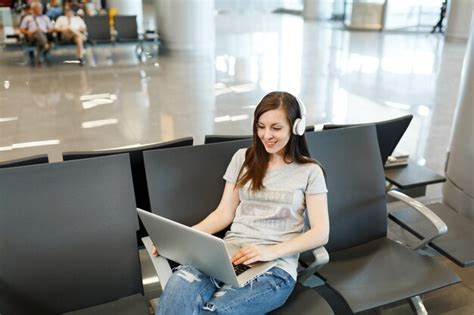
Physiological needs must not be overlooked. Hunger and dehydration are anger accelerants. Drinking water, eating protein-rich snacks, and moving frequently help regulate mood. A long wait is far more tolerable with headphones and a podcast than it is when standing in a line with nothing but one’s frustration.
In the end, airports may always be stressful—but they need not always provoke rage. Anger is often a mask for fear and frustration. By recognizing the emotional architecture of air travel, we can better prepare for the stress and maybe, just maybe, keep our cool until we’re 30,000 feet in the sky.