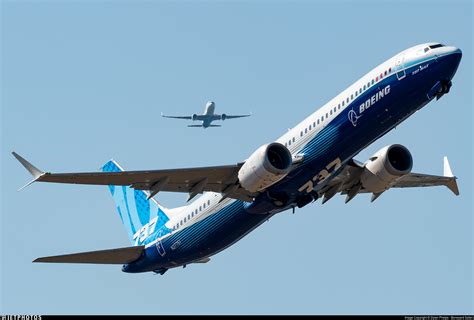
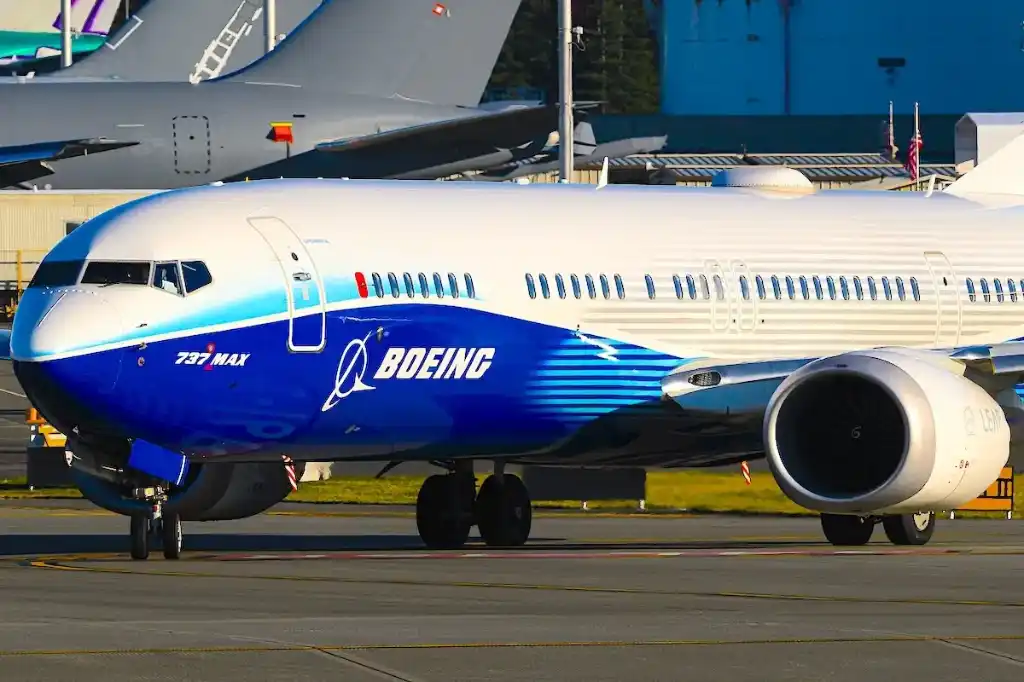
The Boeing 737 MAX 10 is an aircraft built around ambition, compromise, and a very specific economic mission. On paper, it promises airlines exceptional seat-mile efficiency, modern engines, and fleet commonality with the world’s most widely used narrowbody family. On the runway, however, it tells a different story. The MAX 10 requires an unusually long takeoff roll, especially when fully loaded, and that reality is not a flaw in isolation but the logical outcome of decades of design decisions layered on top of one another.
Understanding why the aircraft behaves this way requires stepping back from marketing brochures and into the physics of flight. Weight, thrust, wing loading, geometry, and regulatory constraints all collide here. The MAX 10 is not simply a stretched airplane; it is the absolute outer edge of what the 737 platform can physically and aerodynamically support without becoming something else entirely.
This long takeoff roll has operational consequences, shaping where the aircraft can fly, how airlines schedule it, and why Boeing has accepted these limitations rather than redesigning the jet from scratch. The result is a machine that trades raw performance for capacity-driven economics, optimized for dense routes rather than runway flexibility.
A Stretched Narrowbody Carrying Widebody Weight Ambitions
The most immediate reason for the MAX 10’s lengthy takeoff roll is simple mass. With a maximum takeoff weight just under 200,000 pounds, the aircraft outweighs every other 737 variant by a substantial margin. That extra weight comes from a longer fuselage, reinforced structure, higher passenger capacity, and increased payload potential.
The aircraft’s fuselage stretch of 66 inches over the MAX 9 pushes it into new territory. This is the longest 737 ever built, and while the increase may sound modest on paper, the compounding effects are dramatic. More seats mean more passengers, more baggage, more fuel, and heavier structural reinforcement to handle the loads. Every additional pound must be accelerated to rotation speed before the aircraft can leave the ground.
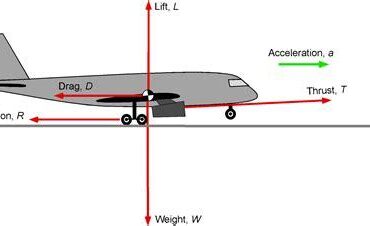
In aviation physics, acceleration is unforgiving. A heavier aircraft requires either more thrust or more distance to reach the same airspeed. The MAX 10, constrained by its engines and wing design, solves that equation with runway length rather than brute force power.
Wing Loading: When Legacy Design Meets Modern Demands
The 737 wing was never designed for an aircraft this heavy. Its origins trace back to a much lighter, shorter jet conceived in the 1960s. While Boeing has refined the wing over time with aerodynamic tweaks and updated systems, its fundamental size and planform remain largely unchanged.
Wing loading, defined as weight divided by wing area, is one of the most critical factors in takeoff performance. As wing loading increases, the aircraft must reach a higher speed to generate enough lift to become airborne. The MAX 10’s wing loading is among the highest in the single-aisle category, and that directly translates into higher rotation speeds and longer takeoff distances.
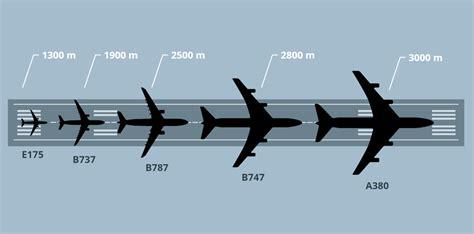
This is why, at maximum weight, the MAX 10 can require approximately 8,800 feet of runway, with even longer distances needed in hot or high-altitude conditions. In environments where air density is reduced, lift becomes harder to generate, compounding the wing loading challenge.
Thrust-to-Weight Ratio: The Engine Constraint That Shapes Everything
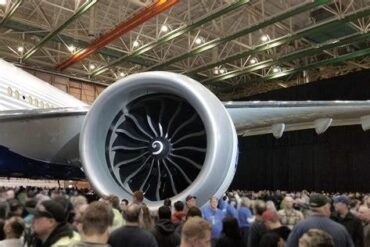
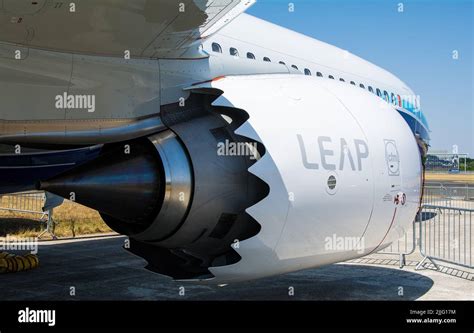
The MAX 10 is powered exclusively by the CFM LEAP-1B engine, a highly efficient turbofan optimized for fuel burn and reliability. Efficiency, however, is not the same as raw power. With a maximum thrust rating of around 28,000 pounds, the LEAP-1B delivers significantly less thrust than the engines available on the Airbus A321neo.
This creates a lower thrust-to-weight ratio, meaning the engines must work harder for longer to accelerate the aircraft to takeoff speed. The result is not dramatic or unsafe, but it is measurable, especially on shorter runways or in adverse conditions.
The difference becomes stark when compared to the A321neo, whose engines can produce up to 35,000 pounds of thrust. That additional power allows Airbus’s jet to achieve shorter takeoff runs despite comparable or even greater maximum takeoff weights.
Ground Clearance and the Geometry Trap
One of the most persistent constraints haunting the 737 family is its low ground clearance. The aircraft sits closer to the runway than most modern narrowbodies, a legacy feature that once made boarding easier at smaller airports but now limits engine size.
Because of this geometry, Boeing had to cap the LEAP-1B’s fan diameter at roughly 69 inches, far smaller than the 78-inch fans used on competing aircraft. Smaller fans mean lower bypass ratios and, ultimately, less thrust potential.
To fit even this reduced-size engine, Boeing repositioned it farther forward and higher on the wing. That change altered the aircraft’s aerodynamic balance, contributing to handling characteristics that required software intervention to preserve familiar flight behavior. While this aspect does not directly lengthen the takeoff roll, it underscores how tightly boxed-in the design has become.
Rotation Limits and the Tailstrike Problem
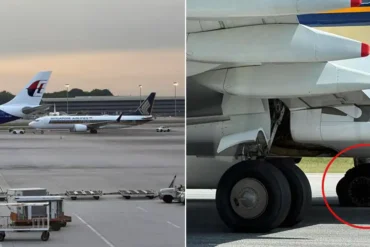
Lengthening the fuselage introduces another takeoff challenge: tailstrike risk. As an aircraft rotates for liftoff, its nose pitches upward. On a longer jet, the tail sits closer to the runway during this maneuver.
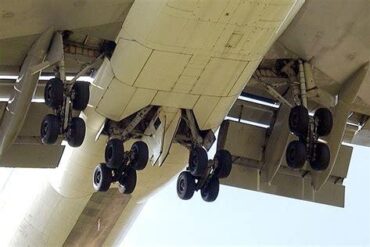
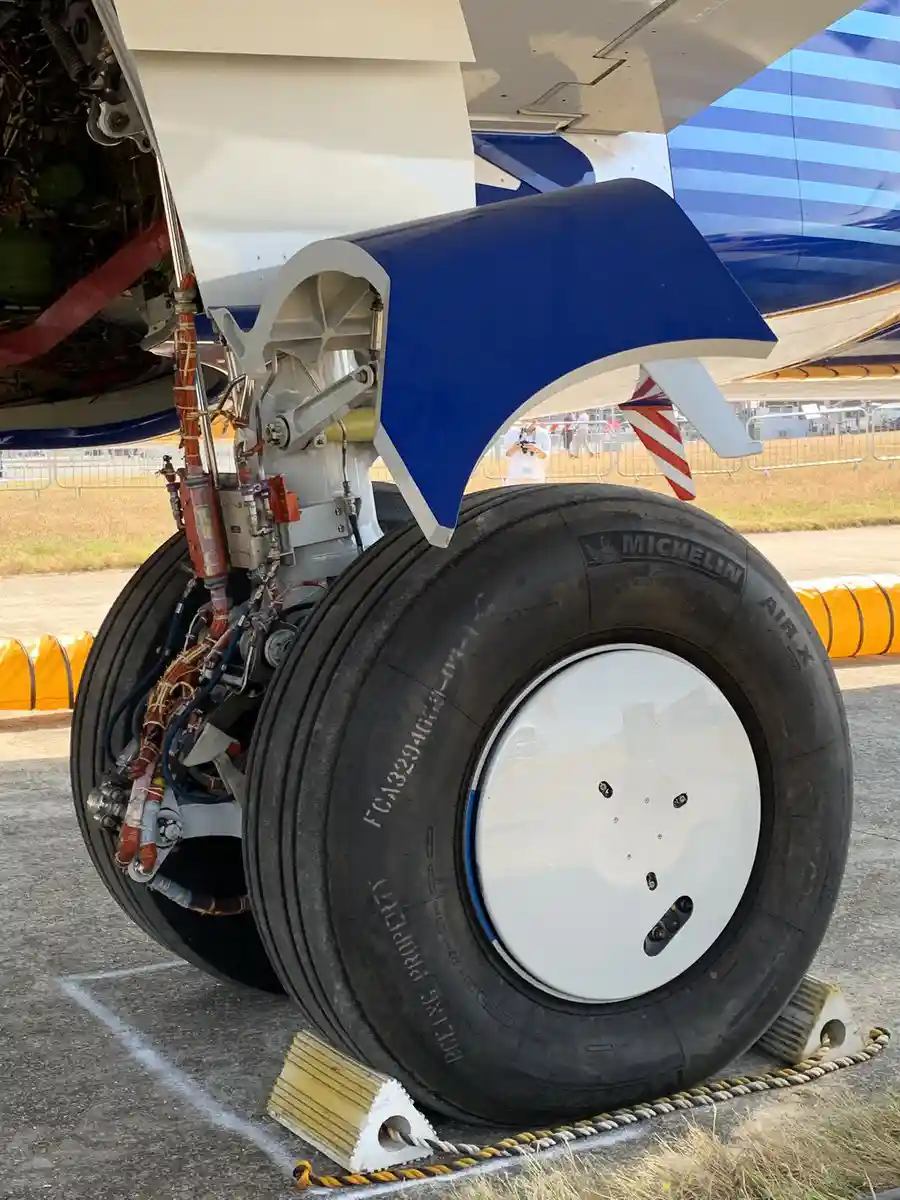
To mitigate this, Boeing engineered a levered, telescoping main landing gear that extends by 9.5 inches during takeoff. This clever mechanism allows for a slightly higher rotation angle without scraping the tail. Even with this innovation, the MAX 10 requires a more cautious and flatter rotation profile than shorter jets.
This means pilots must wait for higher airspeeds before initiating rotation, again adding distance to the takeoff roll. The aircraft cannot simply leap off the runway; it must ease itself into the air with deliberate restraint.
Hot and High: When Physics Gets Unforgiving
Runway length requirements grow dramatically in hot or high-altitude airports. Higher temperatures reduce air density, which lowers engine performance and lift generation. High elevations compound the problem by thinning the air even further.
In these conditions, the MAX 10 may require well over 9,800 feet of runway at maximum weight. That places it outside the operational comfort zone of many regional and secondary airports, effectively restricting it to large hubs with long primary runways.
Airlines can mitigate this by reducing payload or fuel, but doing so undercuts the aircraft’s primary advantage: carrying a lot of people efficiently over medium distances. The trade-off is unavoidable.
Comparing the Airbus A321neo Advantage
The Airbus A321neo enjoys a structural and geometric advantage that shows itself clearly during takeoff. Taller landing gear allows for larger engines, which in turn produce more thrust. A larger wing and lower wing loading further enhance takeoff performance.
Despite being heavier in some variants, the A321neo can often operate from shorter runways with fewer restrictions. This flexibility has helped Airbus dominate the long-range single-aisle segment, particularly with the A321LR and A321XLR.
The MAX 10 does not attempt to compete directly in that space. Instead, it accepts its limitations and focuses on a different battlefield.
A Deliberate Trade: Performance for Capacity Economics
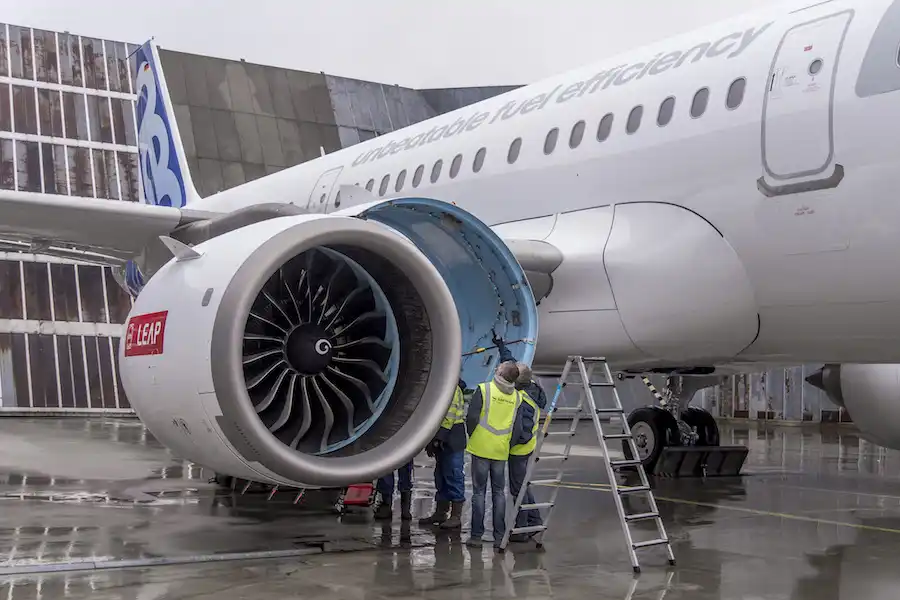
Boeing’s strategy with the MAX 10 is unapologetically pragmatic. The aircraft is designed to maximize seats and minimize cost per seat, not to conquer the most demanding airports or longest routes.
On dense, medium-haul flights between major hubs, the long takeoff roll becomes largely irrelevant. These airports already have the runway length required, and the aircraft’s ability to carry up to 230 passengers delivers exceptional economic returns.
Fuel burn per seat drops, crew costs are spread across more passengers, and airlines can up-gauge capacity without retraining pilots or retooling maintenance operations. For large 737 operators, that commonality is worth far more than runway versatility.
The Operational Catch-22
The very factors that make the MAX 10 economically compelling also define its constraints. Its long takeoff roll limits access to smaller airports. Payload restrictions at hot-and-high locations reduce range and flexibility. Airlines must carefully match the aircraft to routes where its strengths outweigh its weaknesses.
This creates a clear operational profile. The MAX 10 thrives on hub-to-hub missions, flying high-density schedules where runways are long, demand is strong, and stage lengths fall comfortably within its range envelope.
It is not a generalist. It is a specialist optimized for a specific slice of the global route network.
Certification, Scrutiny, and the Final Stretch
Beyond performance, the MAX 10’s journey to service has been shaped by regulatory scrutiny. The aircraft must meet modern safety standards while integrating changes into a platform certified decades ago.
Outstanding issues with the engine anti-ice system and cockpit alerting requirements have delayed approval, but none of these directly alter the aircraft’s takeoff physics. They do, however, highlight the broader challenge of evolving a legacy design to meet contemporary expectations.
The long takeoff roll, in this context, is not a surprise or a failure. It is the visible footprint of every compromise made to keep the 737 viable in a world that demands more seats, lower emissions, and familiar cockpits.
Why the Long Takeoff Roll Makes Sense
Seen in isolation, the MAX 10’s runway needs can appear like a liability. Seen in context, they are the logical cost of stretching a proven platform to its absolute limit. Boeing chose to preserve fleet commonality and economic efficiency rather than redesign the aircraft from the ground up.
The result is an airplane that asks for more pavement but gives back exceptional seat economics where it matters most. Airlines that understand this trade-off have placed over a thousand orders, betting that long runways are easier to find than lower operating costs.
The MAX 10 does not sprint into the sky. It gathers itself, accelerates patiently, and lifts off with purpose. That long takeoff roll is not hesitation; it is the sound of physics, economics, and legacy design all agreeing on the same inevitable conclusion.