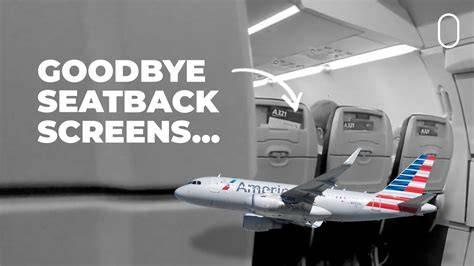
American Airlines is preparing one of the most significant cabin transformations in its history, bringing next-generation seatback entertainment to every seat across its Airbus A321 and Boeing 737 fleets. The sweeping upgrade will combine larger 4K displays, Bluetooth connectivity, USB-C charging, personalized entertainment and faster onboard connectivity powered by Starlink.
The first newly delivered aircraft equipped with the technology are expected to arrive from 2028, while existing aircraft will receive the systems through retrofits. Once the program is complete, virtually every American Airlines narrowbody passenger will have access to a dedicated entertainment screen, marking a dramatic reversal from the carrier’s recent strategy of removing seatback displays.
American Airlines 4K Screens Will Transform Narrowbody Cabins
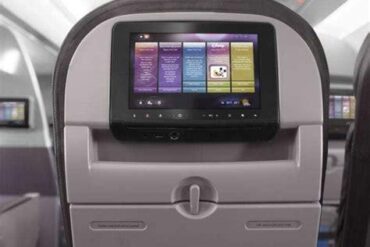
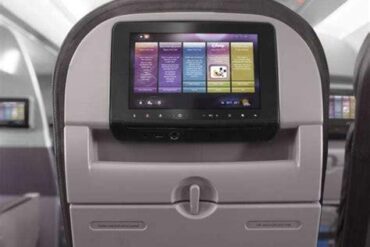
The centerpiece of the overhaul is a new generation of seatback screens designed to deliver 4K picture quality. American Airlines says the displays will be among the largest in the industry, although it has not yet disclosed exact screen dimensions for every aircraft type.
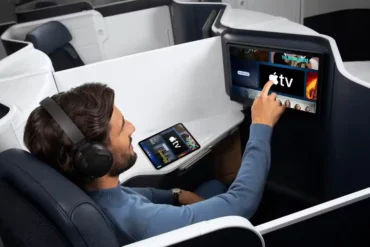
The upgraded system is intended to make the onboard entertainment experience considerably more immersive. Passengers will gain access to an expanded selection of movies, television programs, games and music, supported by new entertainment partnerships. Personalized recommendations will also allow the system to tailor content to individual passengers rather than presenting the same entertainment experience to everyone.
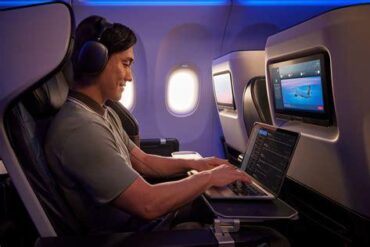
Connectivity is another major part of the strategy. American Airlines plans to pair the new seatback systems with high-speed Starlink Wi-Fi, allowing travelers to use their own devices while simultaneously enjoying content on the screen in front of them. USB-C ports at every seat will provide another practical improvement, giving passengers a faster and more convenient way to keep phones, tablets and laptops charged throughout the flight.
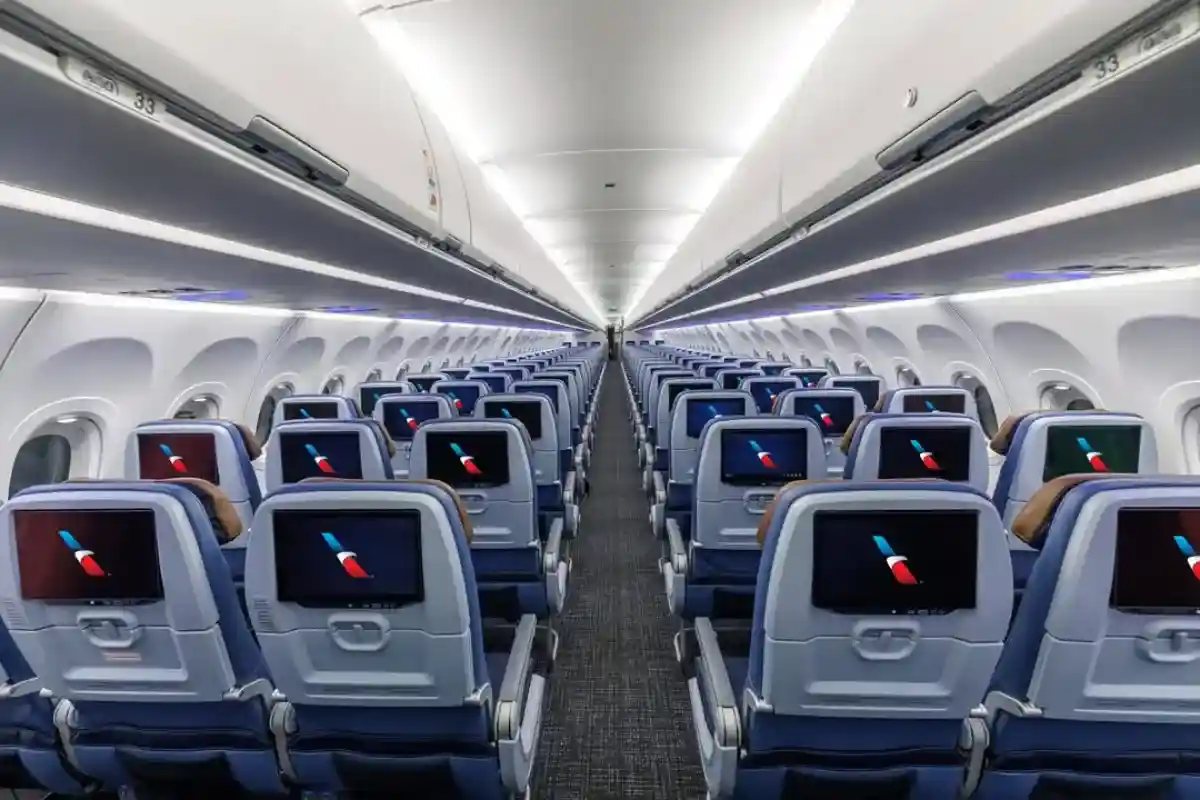
Bluetooth connectivity will further modernize the experience. Rather than relying exclusively on wired headphones, passengers will be able to connect compatible wireless earbuds and headphones directly to the seatback entertainment system. That detail could prove particularly valuable for travelers who increasingly carry wireless audio devices as their primary headphones.
A Major Reversal From the Bring-Your-Own-Device Strategy
The scale of the announcement is especially notable because American Airlines had previously been moving in the opposite direction. The carrier began removing seatback screens from portions of its domestic fleet as it embraced a bring-your-own-device entertainment model.
The strategy gained momentum around 2017, when American Airlines began receiving Boeing 737 MAX aircraft without traditional seatback entertainment systems. The airline argued that most passengers already traveled with smartphones, tablets or laptops, making dedicated displays less essential. Removing screens also reduced equipment weight and eliminated a source of maintenance costs.
Instead, American invested in Wi-Fi, streaming entertainment and charging facilities, allowing customers to access content through their own devices. The approach reflected a broader industry trend in which airlines increasingly treated passengers’ personal electronics as part of the entertainment ecosystem.
That philosophy subsequently influenced the modernization of existing 737 and A321 aircraft through Project Oasis, which sought to standardize American Airlines’ narrowbody interiors. Even aircraft that had originally been delivered with seatback displays were progressively modified. The final narrowbody aircraft retaining such systems included legacy A319s, with those screens also scheduled for removal during heavy maintenance and retrofit work.
The new strategy effectively acknowledges that passenger preferences have changed again. Younger travelers in particular may prefer having both options: a personal smartphone or tablet for their own applications and a large seatback display for movies and longer-form entertainment.
More Premium Seats Are Coming to American’s Narrowbodies
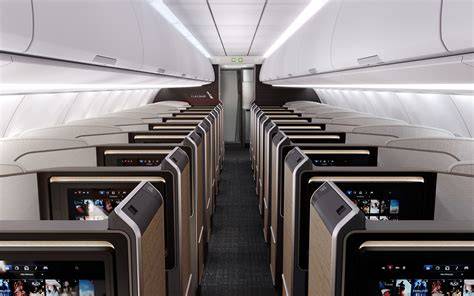
The entertainment upgrade is only one part of American Airlines’ broader cabin transformation. The airline is simultaneously increasing the amount of premium seating across its narrowbody fleet, with premium seats expected to rise from approximately 25% to 40%.
American Airlines is already retrofitting A319 and A320 aircraft with an additional row of First Class seating. Future aircraft will also arrive with substantial premium capacity, while the Boeing 737 MAX 10 is planned to feature 24 First Class seats.
The strategy reflects a fundamental shift in how airlines are configuring narrowbody aircraft. Rather than treating premium seating as a small section at the front, carriers increasingly see higher-value seats as an important component of fleet economics. American’s expanded First Class offering will therefore operate alongside the upgraded entertainment system, giving more passengers an opportunity to purchase a more comfortable experience.
Main Cabin Extra Expands Beyond First Class
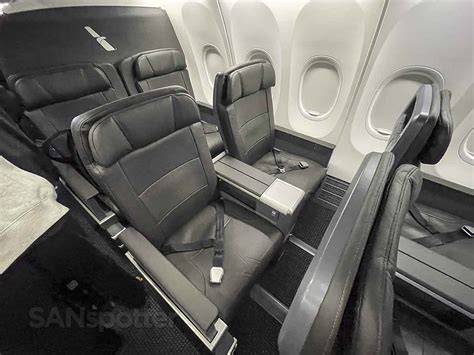
Passengers who do not want to pay for First Class will also see changes. American Airlines is retrofitting the majority of its narrowbody fleet with more Main Cabin Extra seating, creating a larger premium-economy-style section within the economy cabin.
Main Cabin Extra provides benefits such as additional legroom, dedicated storage space, earlier boarding and a complimentary beverage. Expanding this section gives American another way to appeal to travelers who want a more comfortable flight without paying for a First Class seat.
Together, the new screens, Starlink connectivity, expanded premium seating and additional Main Cabin Extra capacity represent a much broader redesign than a simple entertainment upgrade.
American Airlines Is Rebuilding the Narrowbody Experience
The significance of the program lies in its scale. American Airlines already has approximately 140 long-haul aircraft equipped with seatback screens, but extending the technology across its entire 737 and A321 fleets will fundamentally change the domestic passenger experience.
The carrier is effectively abandoning the idea that passengers must choose between personal devices and seatback entertainment. Instead, the future cabin will allow both to work together. A traveler can watch a 4K movie on the seatback screen, connect wireless headphones through Bluetooth, charge a smartphone through USB-C and use Starlink Wi-Fi at the same time.
American Airlines’ decision also illustrates how quickly passenger expectations can evolve. What once appeared to be unnecessary hardware is becoming an important part of the modern airline cabin. From 2028 onward, new deliveries and retrofitted aircraft will gradually bring this technology to more travelers, making the airline’s narrowbody cabins substantially more connected, premium and entertainment-focused.