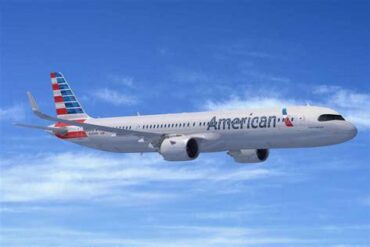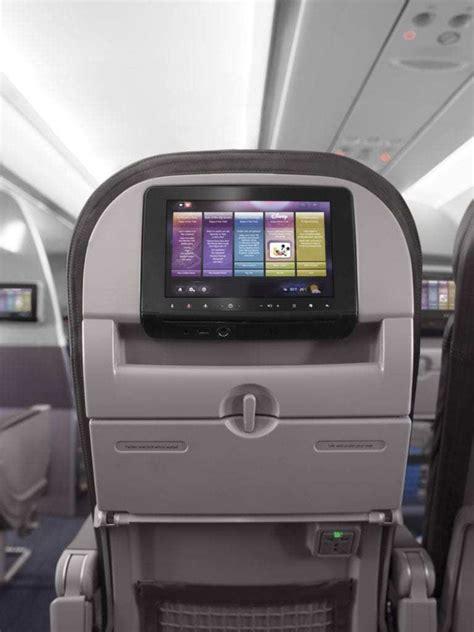
American Airlines is signaling a notable shift in its cabin philosophy, reconsidering the return of seatback entertainment screens while simultaneously exploring next-generation connectivity powered by Starlink. This dual-track strategy reflects a broader recalibration across the aviation industry, where passenger expectations and competitive dynamics are rapidly evolving. Once a firm advocate of a “bring your own device” model, the airline now appears ready to revisit its earlier assumptions in pursuit of a more balanced and premium onboard experience.
A Strategic Reversal Driven by Passenger Expectations
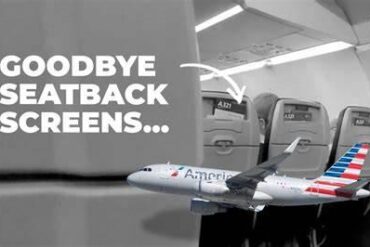
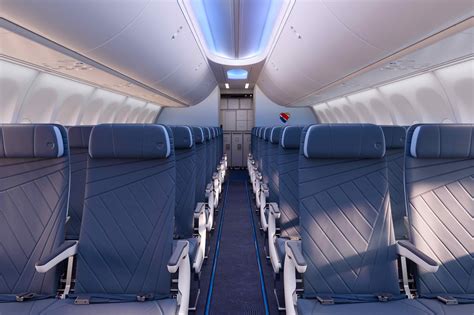
In recent years, American Airlines removed seatback screens from many of its narrowbody aircraft, citing cost efficiency and the widespread adoption of personal devices. At the time, streaming content directly to smartphones, tablets, and laptops seemed like a forward-looking solution aligned with modern consumer habits. However, the reality of inflight behavior has proven more nuanced.
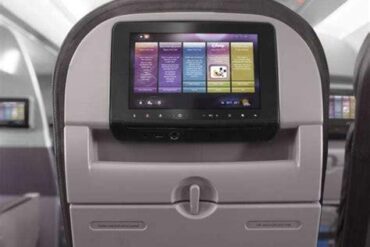
Passengers—particularly families, business travelers, and those on longer domestic routes—continue to value integrated entertainment systems for their convenience and reliability. Built-in screens eliminate the need to manage battery life, download apps, or balance devices on tray tables. As travel demand rebounds and expectations rise, these seemingly small conveniences are once again becoming decisive factors in overall satisfaction.
The reconsideration of seatback screens is not merely a nostalgic return to legacy systems. Instead, it represents a recognition that passenger comfort is increasingly defined by seamless, frictionless experiences rather than minimalist efficiency.
The Competitive Landscape Is Redefining Cabin Standards
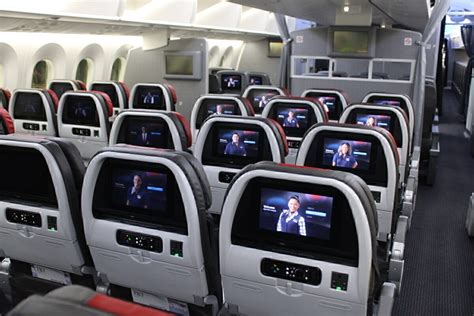
American’s reassessment does not exist in isolation. Rival carriers such as Delta Air Lines and United Airlines have continued investing aggressively in both inflight entertainment and connectivity. These airlines have doubled down on enhancing the passenger experience, combining high-definition seatback screens with faster, more reliable Wi-Fi.
United Airlines, in particular, has accelerated its adoption of Starlink technology, aiming to equip a significant portion of its fleet with high-speed satellite internet by the end of the decade. This move underscores a growing industry consensus: connectivity is no longer a luxury feature—it is a baseline expectation.
Against this backdrop, American’s earlier decision to remove seatback screens has placed it at a relative disadvantage. The renewed interest in reinstalling them suggests a strategic pivot aimed at closing that gap while reestablishing competitive parity.
Starlink: A Game-Changer for Inflight Connectivity
At the center of this transformation is Starlink, SpaceX’s rapidly expanding satellite internet network. Unlike traditional inflight Wi-Fi systems, which often struggle with bandwidth limitations and inconsistent coverage, Starlink promises low-latency, high-speed connectivity capable of supporting streaming, gaming, and real-time communication.
For passengers, this means a fundamentally different inflight experience—one where watching live content, attending virtual meetings, or even gaming online becomes feasible at cruising altitude. For airlines, it opens the door to new revenue streams, from premium connectivity tiers to targeted digital advertising and onboard e-commerce.
The appeal of Starlink lies not only in its speed but also in its consistency. Its satellite constellation provides coverage across vast geographic areas, including oceans and remote regions where traditional systems falter. This reliability is particularly attractive for an airline with extensive domestic and transcontinental operations.
Toward a Hybrid Cabin Experience
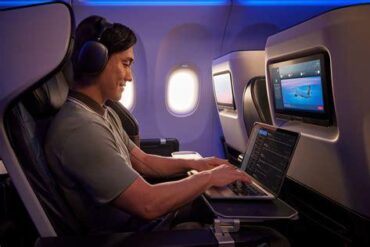
The emerging strategy at American Airlines points toward a hybrid model that combines the best of both worlds: seatback screens for integrated entertainment and high-speed Wi-Fi for personalized digital experiences. This convergence reflects a broader industry trend toward flexibility, allowing passengers to choose how they engage with inflight content.
Such an approach acknowledges that no single solution fits all travelers. While some passengers prefer streaming content on their personal devices, others value the simplicity of a built-in screen. By offering both, airlines can cater to a wider range of preferences without forcing a compromise.
This hybrid model also enhances resilience. In scenarios where connectivity may be temporarily limited, seatback systems ensure uninterrupted access to entertainment. Conversely, when high-speed internet is available, passengers gain the freedom to go beyond curated content libraries.
Investment, Logistics, and Long-Term Implications
Reintroducing seatback screens is not a trivial undertaking. It requires significant capital investment, careful fleet planning, and potential retrofitting of existing aircraft. Weight considerations, maintenance costs, and system integration all factor into the decision-making process.
However, the potential return on investment extends beyond immediate passenger satisfaction. Improved onboard experiences can drive brand loyalty, increase ancillary revenue, and strengthen an airline’s competitive positioning. In a market where differentiation is increasingly tied to the quality of the travel experience, these benefits carry substantial strategic weight.
Moreover, the integration of advanced connectivity like Starlink aligns with the aviation sector’s broader digital transformation. Airlines are no longer just transportation providers—they are becoming platforms for digital engagement, where connectivity and content play central roles.
A Defining Moment for Cabin Innovation
The aviation industry has undergone multiple cycles of technological evolution, from overhead monitors to individual seatback screens to device-based streaming. Each phase has been shaped by a combination of cost considerations, technological capabilities, and passenger behavior.
Today’s environment suggests a convergence rather than a replacement. Instead of choosing between hardware and connectivity, airlines are increasingly embracing both. This integrated approach reflects a deeper understanding of what passengers truly value: choice, reliability, and ease of use.
American Airlines’ ongoing evaluation of seatback screens and Starlink connectivity captures this moment of transition. While no final decision has been announced, the direction is clear. The future of inflight experience will not be defined by a single innovation, but by the seamless integration of multiple technologies working together.
As airlines compete to redefine comfort and connectivity at 35,000 feet, the cabin is once again becoming a battleground for innovation—and passengers stand to benefit the most.