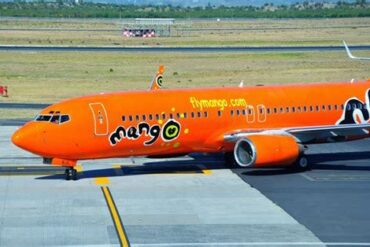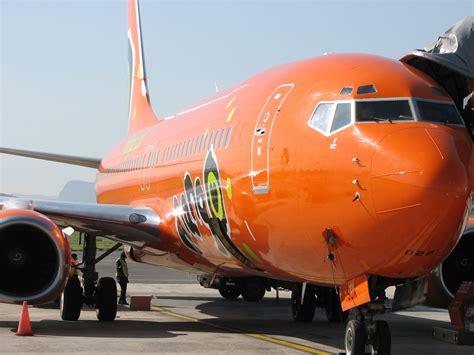
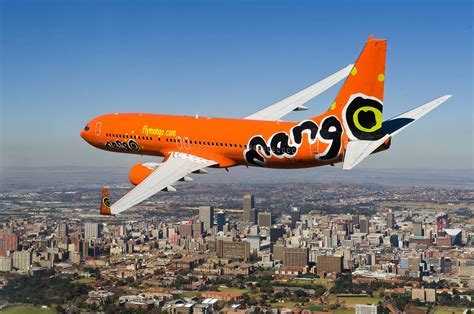
Mango Airlines, the low-cost carrier that has been grounded since August 2021, is poised to make a significant comeback as it maintains its status as a subsidiary of South African Airways (SAA). This status, confirmed officially, underscores the airline’s independence in managing its financial obligations and crafting its future business strategies. As Mango inches closer to resuming operations after nearly four years of inactivity, the implications of its potential revival resonate beyond South Africa, promising to shake up the regional aviation landscape.
The subsidiary status reaffirmation is particularly important in understanding Mango’s operational autonomy. While it remains under the SAA umbrella, there is a clear delineation in responsibilities. SAA, which has faced its own set of challenges and restructuring efforts, does not exert control over Mango’s financial decisions or strategic direction. This independence is crucial as Mango navigates the complex landscape of recovery and re-establishment in the competitive airline market.
A pivotal player in this recovery process is the Business Rescue Practitioner (BRP), who is currently overseeing the final stages of a critical sale and purchase agreement with a prospective investor. This deal is seen as a decisive moment for Mango Airlines, with the incoming investor expected to significantly influence its re-entry into the aviation market. After enduring internal disputes and legal challenges involving the former Ministry of Public Enterprises and the SAA Board, the BRP’s efforts have now reached a critical juncture. The successful conclusion of these negotiations could pave the way for Mango to reclaim its position within South Africa’s domestic airspace and potentially expand to regional routes across the continent.
A significant aspect of the ongoing business rescue process involves a meticulous review of unused tickets purchased prior to July 26, 2021. These tickets were associated with flights that were abruptly halted when Mango suspended its operations. The airline is currently assessing the value of these unflown tickets to determine refund eligibility for affected passengers. This evaluation is not merely a procedural necessity but a reflection of the intricate legal and financial frameworks that govern airline operations during such tumultuous periods. The outcome will largely depend on the resources available from the prospective investor and the finalized terms of the business sale.
Importantly, SAA has publicly clarified its role—or lack thereof—in Mango’s current operations. The airline has distanced itself from any involvement in managing customer claims, processing refunds, or fulfilling any financial obligations related to Mango’s operations. This statement serves to inform travelers and stakeholders that while Mango operates under SAA’s structural umbrella, their paths are distinct and separate. Stakeholders are encouraged to refer to Mango’s official communication channels for updates and support concerning the rescue process.
Should Mango Airlines successfully relaunch its services, the ramifications could extend well beyond the borders of South Africa. As a low-cost carrier, Mango’s return could usher in a new era of affordable travel options, particularly on regional routes that have seen a decline in service availability following the pandemic. The potential impact includes:
- Cheaper airfare options in Southern Africa, enhancing access for budget-conscious travelers.
- Revival of regional routes, facilitating smoother multi-city itineraries for those exploring the continent.
- A boost in aviation sector employment, contributing to economic recovery in allied industries.
- Increased competition among carriers, possibly resulting in improved service and fare innovations.
Mango’s situation also reflects broader industry trends, suggesting that this case may serve as a model for other airlines facing financial difficulties, particularly in emerging markets. The intricate relationship between state-linked ownership and independent business strategies highlights a potential blueprint for future airline recoveries. Furthermore, the ongoing discussions surrounding transparency in investor dealings may prompt policymakers to reconsider existing frameworks, ensuring greater accountability and consumer protection in the airline sector. The necessity for clear and timely communication with passengers during times of financial uncertainty is another critical lesson emerging from this scenario.
As Mango Airlines stands on the brink of a potential revival, the successful completion of its investor negotiations remains paramount. Industry experts and observers are keeping a close watch on developments, understanding that a favorable outcome could significantly reshape the dynamics of regional travel. With the promise of fresh competition, improved connectivity, and enhanced affordability, Mango’s reentry could invigorate the broader travel and tourism economy across Southern Africa. The prospect of a more inclusive and accessible flying experience for both domestic and international travelers hangs in the balance, awaiting the final nod toward operational recommencement.
In conclusion, the path ahead for Mango Airlines is fraught with challenges but also laden with opportunities. Its unique position as a subsidiary of SAA, coupled with its autonomy in financial and strategic matters, places it in a distinctive position to navigate the complexities of the aviation industry. The forthcoming months will be pivotal as Mango seeks to reestablish itself, not only as a player in the domestic market but as a key contributor to the revitalization of air travel across the Southern African region.