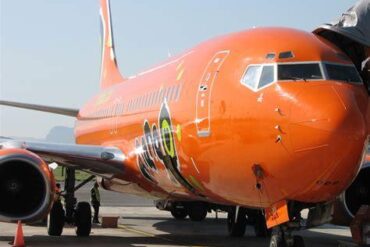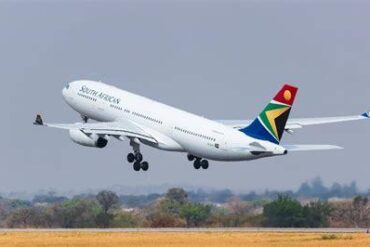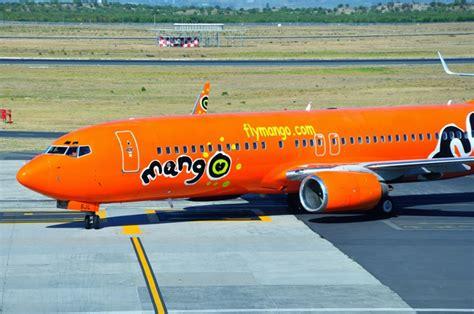
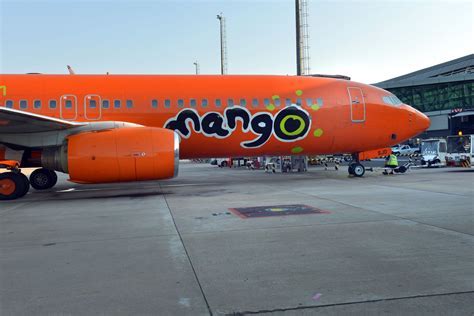
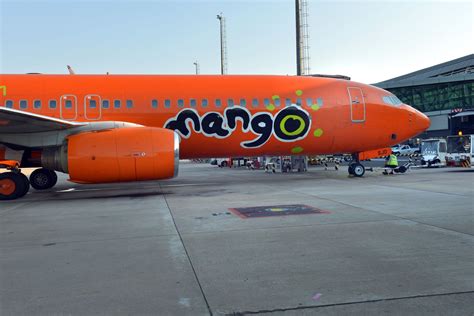
Mango Airlines, the once-popular South African low-cost carrier, is preparing for a historic return to the skies following a significant transition in ownership. After nearly four years of operational limbo, the carrier has been officially sold by its parent company, South African Airways (SAA), to a private investor group for a nominal sum of R1,000. This symbolic fee reflects Mango’s battered financial state, but the sale marks a major turning point for both the airline and the South African aviation sector.
The Long Road to Sale: Years in the Making
Mango Airlines’ decline began in July 2021, when it ceased operations and entered business rescue due to severe financial troubles. For many South Africans, the sudden grounding of the budget airline left a gaping void in affordable domestic air travel. Mango’s business rescue practitioner, Sipho Sono, was tasked with overseeing its restructuring and guiding it toward viability. One of the most significant hurdles during this process was gaining approval for the sale from SAA, which stalled for nearly three years.
In August 2022, Mango’s operating license was suspended, casting further doubt on its future. Though a share sale agreement was submitted in November 2022, SAA did not immediately approve it. Prolonged bureaucratic inertia and regulatory complexities delayed what many insiders believed was a necessary and inevitable transition to private ownership.
SAA’s Nominal Exit and the Implication of a R1,000 Deal
The finalised agreement sees SAA divesting its entire stake in Mango for just R1,000, a nominal fee that underscores the airline’s depleted value and prolonged dormancy. However, the significance of this sale extends far beyond the symbolic price. It represents the end of Mango’s state-owned status and its entrance into a leaner, more agile private business model. According to Sono, the core elements of the sale have remained consistent throughout the process, with delays largely attributed to procedural and regulatory bottlenecks.
The implications are enormous: by transferring Mango into private hands, the new owners are not just inheriting an airline, but also an extensive network of liabilities, former passengers holding unclaimed tickets, and the logistical mountain of restarting a grounded operation.
The Private Sector Revival Strategy
The new investor group plans to restart Mango’s operations by leasing aircraft, a strategic move that avoids the heavy capital requirements of purchasing new planes. This will allow the carrier to resume services more quickly and flexibly, reducing financial exposure while addressing the urgent demand for domestic travel options. This leasing model aligns with global trends among low-cost carriers that prioritize operational flexibility over asset ownership.
The investor group, although unnamed at the time of writing, is expected to bring a fresh approach to Mango’s brand, routes, and customer service standards. Industry analysts anticipate a leaner and more competitive Mango that leverages digital tools, strategic partnerships, and dynamic pricing to rebuild market share.
Addressing Passenger Claims: A Portal for Accountability
As part of the relaunch process, Mango has introduced an online verification portal for passengers who held unflown tickets before its July 2021 grounding. These individuals can now register and validate their tickets, enabling them to claim vouchers equivalent to the value of their unutilized bookings. This initiative, which opened on 4 June 2025 and remains active until 1 September 2025, demonstrates a commitment to rebuilding consumer trust.
Should the sale fall through or be nullified by legal complications, these ticket values would instead be processed as creditor claims under the business rescue process—likely resulting in partial compensation rather than full refunds. The portal is a key step in quantifying Mango’s pre-existing liabilities and offering a fair solution to affected passengers.
Legal Hurdles and Government Deadlock
The legal framework surrounding Mango’s sale has been fraught with tension. A notable development occurred in September 2023, when a court ruling mandated the Minister of Public Enterprises to issue a decision on the sale within 30 days. Despite this directive, the ministry failed to act in time, forcing Sono to move forward under the Public Finance Management Act. This act grants leeway for such sales in the absence of timely ministerial intervention, thereby safeguarding the business rescue process from indefinite suspension due to political inertia.
The delays prompted Mango’s legal team to issue formal demands to SAA for timely responses, citing the urgency of the airline’s deteriorating value and the mounting frustration among employees, creditors, and customers. The broader aviation community, including labour unions and industry stakeholders, largely backed the move, viewing it as a necessary intervention to prevent further erosion of a once-promising airline.
Strategic Significance for the South African Aviation Sector
The revival of Mango comes at a critical time for South Africa’s domestic aviation market, which has struggled to regain momentum post-COVID-19. Rising operational costs, the collapse of other budget airlines, and fluctuating consumer demand have created a volatile landscape. Mango’s re-entry offers the promise of renewed price competition, improved service levels, and a more balanced market.
Experts believe that Mango’s potential lies in its ability to tap into underserved domestic routes and possibly expand into regional travel over time. The flexibility of leased aircraft, combined with a nimble private ownership structure, positions Mango to respond rapidly to market demands.
What Lies Ahead: Conditions for a Successful Comeback
While the finalisation of the sale marks a decisive moment, Mango’s journey is far from over. The true test will be the airline’s operational rollout. Regulatory approvals, aircraft procurement, recruitment of skilled personnel, and re-establishment of vendor contracts are just some of the hurdles awaiting the new management.
There is cautious optimism that Mango can emulate the trajectories of other successfully restructured carriers. However, the process will demand strategic discipline, market awareness, and consumer confidence-building. The aviation industry is notoriously unforgiving of missteps, and Mango will need to demonstrate that its resurrection is more than just a cosmetic turnaround.
Additionally, Mango must navigate a regulatory environment that has come under international scrutiny. Concerns over South Africa’s aviation oversight threaten to erode global confidence in its carriers, making it essential that Mango operates with transparency and compliance from day one.
Conclusion: A Pivotal Moment for Mango and SAA
The R1,000 sale of Mango Airlines might appear trivial in financial terms, but its strategic importance is immense. For SAA, it marks the shedding of a struggling subsidiary and the narrowing of its operational focus. For Mango, it signifies the beginning of a bold new chapter—free from government ownership and reoriented toward commercial viability.
For passengers, aviation workers, and the South African public, this development is both a symbolic and practical step toward a revitalised domestic air travel landscape. The next few months will be critical, as stakeholders watch closely to see whether Mango can truly rise from the ashes—or whether its second takeoff will face as many headwinds as its first descent.