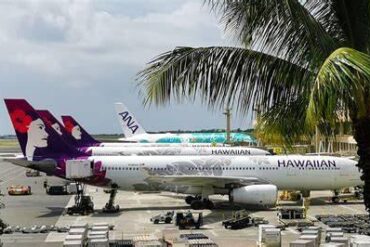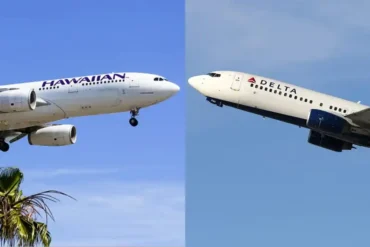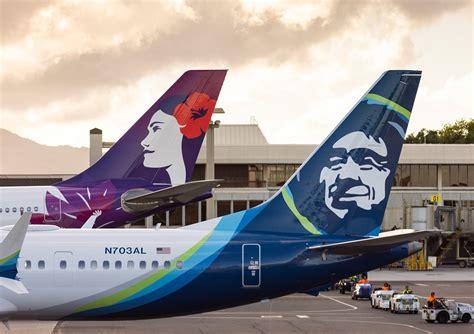
In a strategic but sobering development, Alaska Air Group has announced it will lay off approximately 250 non-union employees from Hawaiian Airlines this fall, following its acquisition and integration of the iconic island-based carrier. This marks a pivotal moment in the unfolding airline merger between Alaska Airlines and Hawaiian Airlines, a deal that was finalized with Department of Transportation approval in mid-July 2025.
Post-Merger Fallout: 250 Jobs Set to Vanish in Fall 2025
The employees affected by the layoffs are non-unionized workers, many of whom are based at Hawaiian Airlines’ Honolulu headquarters. While no formal opposition halted the merger, the ripple effects of operational consolidation were expected. According to sources familiar with the decision, the majority of these employees were informed well in advance. The action underscores the hard reality that airline mergers, while beneficial in the long run for route expansion and profitability, often involve immediate human costs.
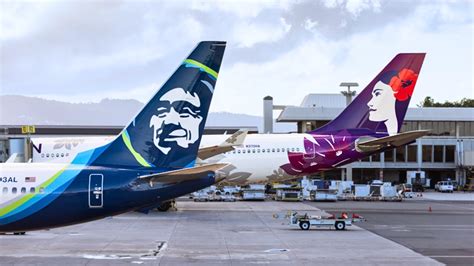
The decision follows a year in which Hawaiian Airlines hired over 500 union workers, aiming to strengthen its labor force amid financial instability. However, the non-union positions were more vulnerable as Alaska Air Group began streamlining back-end operations, cutting overlapping roles and shifting responsibilities to its mainline organization.
DOT Approval and Strategic Transfers of Valuable Assets
When the U.S. Department of Transportation (DOT) granted Alaska Air Group the rights to Hawaiian’s international routes, codeshares, and air operator certificates on July 14, 2025, the green light unlocked a rapid integration process. Analysts believe the transfer of key assets from Hawaiian to Alaska hints at a broader strategic move to repurpose long-haul capabilities.
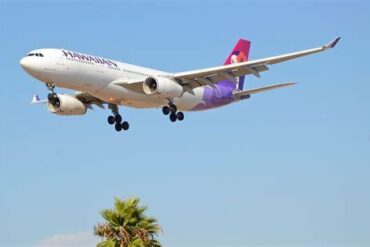
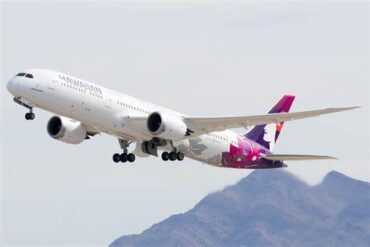
According to the respected travel analysis site Beat of Hawaii, the merger may lead to a sharp pivot away from international flying, particularly from Hawaii. Instead, Boeing 737 aircraft will increasingly service domestic markets, while widebody aircraft like the 787 Dreamliner and Airbus A330s may be redeployed to other Alaska hubs such as Seattle-Tacoma International Airport (SEA).
Dreamliner Transfers and New Route Focus
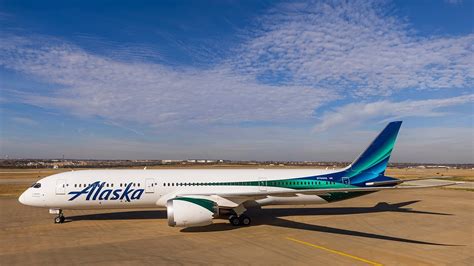
One of the clearest signs of Alaska’s post-merger realignment is the redeployment of Dreamliners from Honolulu (HNL) to Seattle (SEA). These jets are now being earmarked for routes like Seattle to Tokyo Narita (NRT), supporting predictions that international service from Hawaii will diminish during the upcoming winter 2025–2026 season.
Despite this shift, Hawaiian Airlines’ July 22 press release confirms continued operations on several key routes, including flights to Sydney Kingsford Smith Airport (SYD), Los Angeles International Airport (LAX), and Seattle-Tacoma (SEA).
Kirsten Amrine, Alaska Airlines’ Vice President of Revenue Management and Network Planning, emphasized the customer-centric view:
“We’re excited to offer our guests more options to connect with loved ones or enjoy a warm winter getaway. These schedule enhancements reflect our commitment to providing convenient, comfortable travel during the busiest travel period of the year.”
Turbulence Before the Merger: Hawaiian’s Financial Decline
Hawaiian Airlines entered the merger under significant financial duress, worsened by a perfect storm of industry setbacks. The COVID-19 pandemic devastated international tourism, a key income stream for Hawaii’s flag carrier. Additional complications included:
- Engine reliability issues on the Airbus A321neo fleet due to Pratt & Whitney malfunctions,
- Soaring fuel prices,
- Intensified mainland competition, particularly from low-cost carriers,
- Operational instability following the 2023 Maui wildfires,
- And a burdensome debt load including aircraft-backed securities.
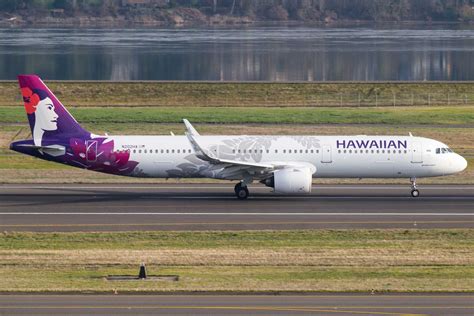
The merger effectively avoided a second potential bankruptcy for Hawaiian Airlines. Alaska’s stronger financial position and broader operational base offered a lifeline that preserved core parts of the brand—but not without structural sacrifices.
Structural Realignment and Route Optimization
Under Alaska’s stewardship, the new combined airline entity is aggressively rationalizing its route networks, loyalty programs, and IT infrastructure. Key developments include:
- More Hawaii service from San Francisco, boosting intra-island and West Coast connectivity,
- Expanded widebody service to Seattle, especially using aircraft formerly operated by Hawaiian,
- A fifth daily frequency between Honolulu and Los Angeles to maintain critical demand,
- An imminent launch of a unified booking system and website, expected to roll out by early 2026.
Meanwhile, Alaska and Hawaiian are co-locating their operations at joint hub airports, including New York JFK and LAX, to streamline services. There are also reports of early uniform design changes and cabin branding refreshes to reflect a cohesive passenger experience.
Loyalty Programs Merge: HawaiianMiles Meets Mileage Plan
A major customer-facing benefit of the merger is the integration of loyalty programs. Members of HawaiianMiles can now transfer and redeem points with Alaska’s Mileage Plan, granting flyers enhanced flexibility and earning opportunities.
This strategic move aims to keep frequent flyers loyal as route offerings shift and airline branding evolves. Although long-time Hawaiian loyalists may see changes in aircraft interiors and service protocols, the combined frequent flyer program is designed to preserve value and enhance network reach.
Hawaiian Airlines: A Legacy Under Transformation
Founded in 1929, Hawaiian Airlines stood for decades as Hawaii’s national flag carrier, serving as a lifeline for inter-island and long-haul travel. Led by CEO Peter Ingram, the airline played a pivotal role in bridging Pacific tourism and mainland commerce.
Yet as the market evolved, Hawaiian’s position became increasingly precarious amid rising costs and thinner margins. Alaska’s acquisition ensures continuity of many services, but corporate independence and operational autonomy are effectively over.
Conclusion: A New Era Takes Flight, But Not Without Cost
The fall layoffs of approximately 250 Hawaiian Airlines employees signal a new chapter in American aviation consolidation, one where market realities dictate difficult trade-offs. While customers may benefit from expanded connectivity and integrated loyalty perks, the real-world consequences for employees—especially non-union staff—cannot be overlooked.
This development highlights the growing pressure on legacy carriers to adapt or be absorbed. Alaska Air Group, with its expanding international ambitions, sees Hawaiian as a stepping stone to long-haul competitiveness—but that ambition comes at a human cost.
As integration proceeds into 2026, the airline industry will continue watching how Alaska balances profitability, heritage preservation, and workforce morale in this high-stakes merger.