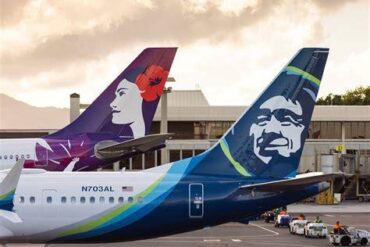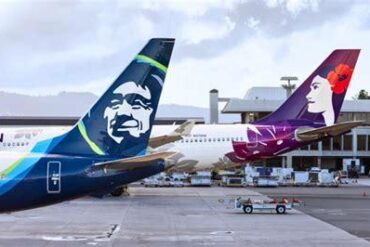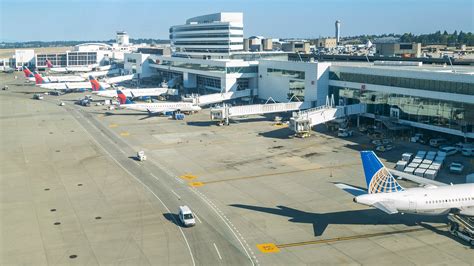
In a transformative move reshaping the American aviation landscape, Alaska Airlines and Hawaiian Airlines have merged into a single powerhouse, unlocking unprecedented access from the U.S. West Coast to Asia and Europe. While mergers in aviation often aim at corporate synergy or fleet consolidation, this union is deeply strategic, centered on turning Seattle–Tacoma International Airport (SEA) into a global nexus.
The Strategic Core: Seattle as a Transpacific and Transatlantic Hub
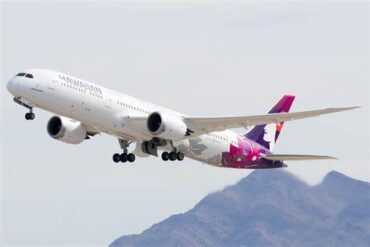
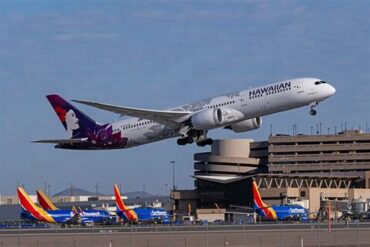
Seattle has always been at the heart of Alaska Airlines’ identity. Now, with Hawaiian Airlines’ long-haul capabilities infused into its DNA, the city has evolved from a domestic launchpad to a primary international gateway. In 2024, following the merger, Alaska Air Group became the fifth-largest airline in the U.S., with access to aircraft such as the Airbus A330 and Boeing 787 Dreamliner—a clear signal of its long-haul ambitions.
These widebody aircraft allow Alaska Airlines to bypass its previous limitations and chart new nonstop routes to major global cities. Tokyo Narita and Seoul Incheon were added to the carrier’s map in 2025, marking a pivotal step into Asia. The upcoming 2026 launch of the Seattle–Rome Fiumicino service will officially mark Alaska’s transatlantic debut, a milestone that seemed inconceivable just a few years ago.
Additional routes under serious consideration include Paris, London, Manila, Bangkok, and Delhi, with internal planning documents hinting at ambitions to compete with major transpacific and transatlantic players. The merger has effectively armed Alaska with the hardware and global experience previously out of reach.
Hawaiian Strength: A Legacy of Long-Haul Experience
One of the most valuable aspects of the merger is the operational expertise Hawaiian Airlines brings to the table. Known for its extensive Pacific network and experience in long-haul operations, Hawaiian’s inclusion means Alaska can now leverage this know-how for seamless global service. Not only are these widebody aircraft now flying transoceanic routes, but they also enable increased capacity on critical domestic sectors such as Seattle–Honolulu and Seattle–Anchorage.
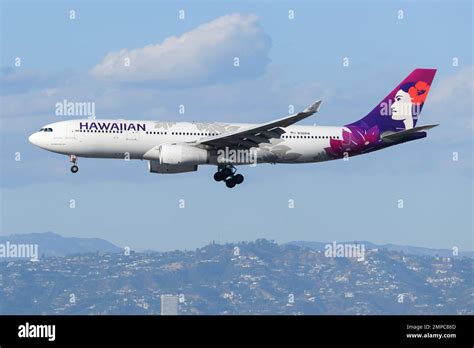
Post-merger, the Seattle–Honolulu corridor has seen a dramatic capacity upgrade, with half of the six daily services now operated by widebody jets. Portland and San Diego have also experienced a boost in Hawaii-bound frequencies. By deploying these aircraft on both long-haul international and high-demand domestic routes, Alaska is maximizing utility and optimizing passenger load factors.
More importantly, travelers from East Coast and Midwest cities now enjoy seamless one-stop access to destinations like Tokyo or Honolulu via Seattle, elevating Alaska’s appeal as a connecting carrier.
Building a Global Travel Experience: Lounges, Comfort, and Design
Infrastructure development is a key pillar of this global expansion strategy. Anchorage’s base lounge has undergone a major transformation, doubling its capacity to serve Alaska’s growing passenger base. But the most ambitious facility upgrades are centered around Seattle and Honolulu.
In Honolulu, a brand-new, combined Alaska-Hawaiian lounge spanning over 2 million square feet will debut in 2027—five times larger than the current facilities. This lounge will serve as a central relaxation hub for transpacific and interisland travelers alike.
Simultaneously, Seattle will host Alaska’s first dedicated international lounge by the end of 2027, coinciding with the carrier’s growing global network. These lounges are not mere amenities; they represent a paradigm shift in how Alaska Airlines wants to position itself—on par with global competitors such as Emirates, Lufthansa, and Singapore Airlines.
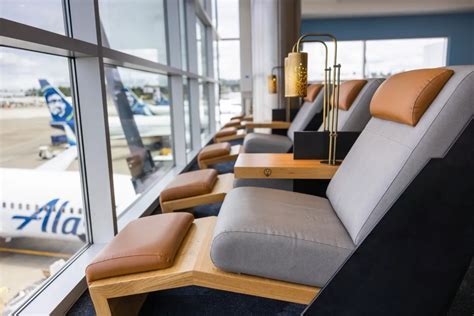
The customer experience across the board is being elevated with updated cabin interiors, enhanced meal services on long-haul flights, and improvements in the digital booking and check-in experience. Alaska’s famed loyalty program, Mileage Plan, will integrate HawaiianMiles, giving travelers more flexibility and global reach.
Facing the Competitive Frontier: Delta and the Seattle Turf War
With this expansion, Alaska Airlines isn’t just dreaming big—it’s staking a claim in contested airspace. Seattle has long been a stronghold for Delta Air Lines, which operates an expansive international network out of SEA. But Alaska’s merger with Hawaiian has upended this dynamic. With more gate space, aircraft, and passenger traffic under its belt, Alaska is positioned to challenge Delta’s dominance.
This rivalry is more than about flights; it’s about connectivity, loyalty, and perception. Alaska is now weaving together West Coast domestic routes, Pacific island leisure travel, and transcontinental business travel into a coherent, competitive strategy.
What sets Alaska apart is its deep local roots in the Pacific Northwest, allowing it to brand itself as Seattle’s airline while also embracing a global mindset. The move positions Alaska as the hometown hero scaling international heights, a narrative that resonates with regional loyalty.
Regulatory Oversight and Passenger Protections
The U.S. Department of Transportation (DOT) approved the merger with strict regulatory guardrails to protect passengers. Hawaiian’s essential inter-island routes must continue operating without reduction, a key consideration for residents dependent on air travel.
Additionally, the DOT mandates that frequent flyer benefits must be preserved or improved, and that competition at major hubs such as Seattle and Honolulu must remain robust. These provisions are not just bureaucratic hurdles—they’re critical mechanisms that ensure passenger welfare as Alaska scales.
With these requirements in place, Alaska and Hawaiian must balance expansion with accountability, ensuring that their new muscle does not come at the expense of affordability or accessibility.
The Future: Seattle as America’s Gateway to the World
What began as a regional partnership has now become a continental force, with the merged Alaska-Hawaiian entity poised to redefine how Americans connect with Asia, Europe, and the Pacific.
This is not just a reshuffling of flight schedules; it’s a vision of a new travel ecosystem. With long-haul routes, upgraded lounges, modernized aircraft, and a unified loyalty system, Alaska Airlines is no longer confined to its namesake state. It has evolved into a 21st-century global airline, leveraging its Pacific geography, operational scale, and newly acquired widebody capability.
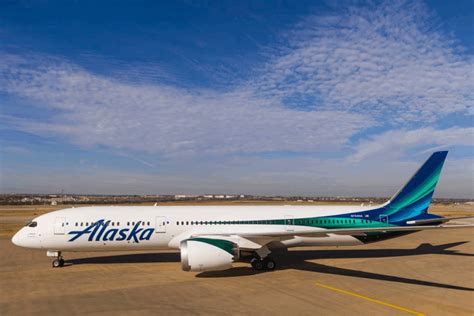
As more destinations are announced and the infrastructure rolls out, passengers should expect greater flexibility, improved comfort, and seamless international journeys—especially those starting or connecting through Seattle. The merger marks the end of Alaska and Hawaiian as two distinct regional brands. From now on, they fly as one, and their ambition is global.
For the flying public, that means more than new destinations. It means a new standard of service, new travel possibilities, and a powerful new player on the world stage.