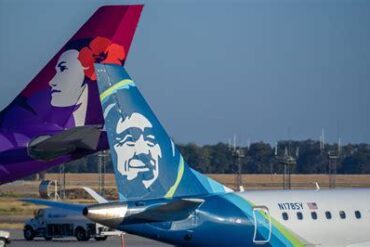
Alaska-Hawaiian Airlines has unveiled an ambitious chapter in its global growth strategy, underscoring its transformation into a serious contender in the international aviation sector. Following its high-profile merger with Hawaiian Airlines, the unified carrier is accelerating fleet expansion, enhancing transoceanic routes, and cementing Seattle-Tacoma International Airport (SEA) as a critical hub for global travel.
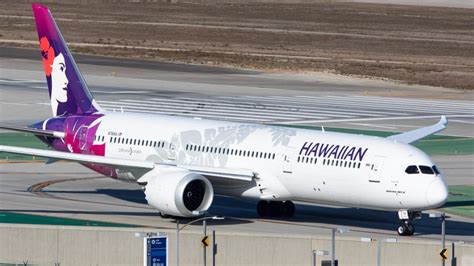
Alaska-Hawaiian’s Global Vision Backed by Next-Generation Dreamliners
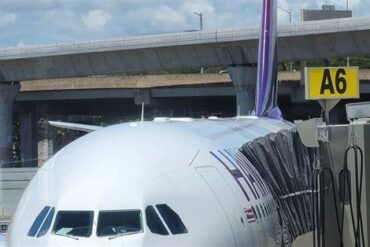
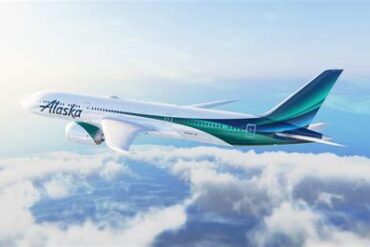
The acquisition of five additional Boeing 787-9 Dreamliners reflects Alaska-Hawaiian’s calculated investment in modern, fuel-efficient, long-range aircraft designed to meet growing international demand. The Dreamliner, prized for its advanced composite construction, reduced cabin altitude, and quieter engines, is instrumental in elevating the airline’s long-haul offerings.
This fleet addition not only marks a leap in technological capability but signifies the airline’s broader ambition to transition from a predominantly domestic player to a major operator on global routes. With the 787-9s, Alaska-Hawaiian can now comfortably serve high-demand transpacific markets and emerging long-haul routes connecting North America to Europe and beyond.
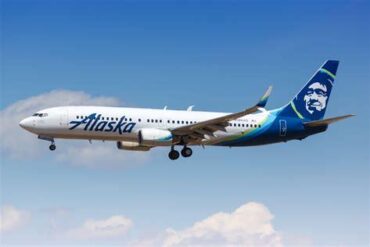
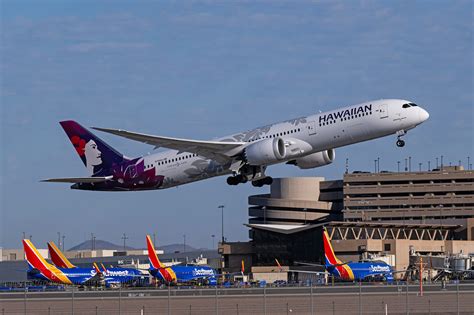
Prior to the merger, Alaska Airlines operated a narrow-body fleet focused on North American routes, while Hawaiian Airlines provided transpacific and limited international services with wide-body aircraft, including the 787-9. The integration of Hawaiian’s assets into the Alaska network has transformed the airline’s operational capacity almost overnight, offering a strategic advantage as global travel rebounds.
Seattle-Tacoma International Airport: The New Transoceanic Gateway
A cornerstone of Alaska-Hawaiian’s growth strategy lies in transforming Seattle-Tacoma International Airport (SEA) into a premier global hub. The airline has set an ambitious target of operating at least a dozen international wide-body routes from SEA by 2030, signaling its commitment to positioning Seattle as a transoceanic gateway comparable to major North American hubs.
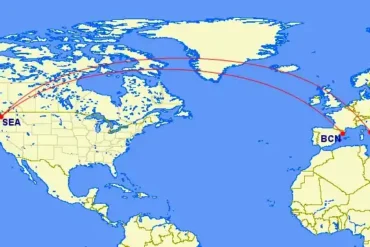
The inaugural step in this global expansion is the highly anticipated nonstop route from Seattle to Rome, scheduled for launch in May 2026. This landmark service marks the airline’s first direct entry into Europe and represents a calculated foray into one of the most competitive and lucrative long-haul markets.
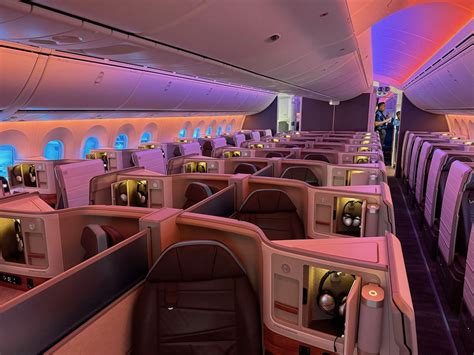
The Seattle-Rome connection not only enhances convenience for leisure and business travelers but also strengthens Alaska-Hawaiian’s ability to funnel connecting traffic from its extensive North American network onto long-haul international flights, optimizing both yield and operational efficiency.
Building the Workforce: New Pilot Base and Training Programs
Supporting the operational demands of an expanding long-haul network requires a corresponding investment in human capital. Alaska-Hawaiian has announced the establishment of a dedicated Boeing 787 pilot base in Seattle, reflecting its commitment to building a robust, skilled workforce aligned with its fleet expansion.
The initial phase of the pilot base will accommodate 15 captains and 30 first officers, with scalable growth expected as new routes and aircraft are introduced. The base also serves as a strategic opportunity for existing Alaska Airlines pilots to upskill and transition to wide-body operations, broadening their career pathways within the merged carrier.
Crucially, ongoing efforts are underway to finalize a unified contract for pilots from both legacy Alaska and Hawaiian operations, ensuring a seamless workforce integration. This approach demonstrates the airline’s proactive stance in addressing potential labor complexities while fostering a unified corporate culture that can support long-term growth.
Leveraging Hawaiian Airlines’ Transpacific Legacy
The merger with Hawaiian Airlines has equipped Alaska-Hawaiian with a powerful platform to rapidly scale its long-haul footprint. Hawaiian’s extensive expertise in transpacific operations, particularly in serving Asia, Oceania, and Pacific Island destinations, complements Alaska’s robust domestic and West Coast network.
Before the merger, Alaska Airlines lacked wide-body aircraft, limiting its ability to compete effectively on global routes. The integration of Hawaiian’s fleet, including the fuel-efficient 787-9 Dreamliners, provides Alaska-Hawaiian with the technical capability and operational flexibility to launch ambitious new routes, such as the Seattle-Rome service, while maintaining reliable transpacific operations.
The merger also expands the combined airline’s access to critical international traffic rights, ground handling infrastructure, and market presence in key Pacific regions, positioning it to compete more effectively against major global carriers.
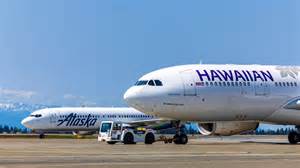
Growing the Fleet: Boeing 787-9 and 737-10 Deliveries
The strategic fleet expansion extends beyond the acquisition of wide-body aircraft. Alaska-Hawaiian has also secured additional Boeing 737-10 aircraft, the largest variant of the 737 MAX family, to reinforce its domestic and regional network.
The 737-10 offers improved fuel efficiency, greater passenger capacity, and modernized interiors, aligning with Alaska-Hawaiian’s emphasis on operational efficiency and enhanced passenger experience. The combination of 737-10s for domestic routes and 787-9 Dreamliners for long-haul operations provides a balanced, cost-efficient fleet capable of serving both regional and global markets.
This dual-pronged fleet strategy enables Alaska-Hawaiian to seamlessly connect travelers from smaller cities across the U.S. to its international hub in Seattle, offering one-stop connectivity to Europe, Asia, and the Pacific Rim.
Competing on the Global Aviation Stage
The global aviation market is fiercely competitive, with legacy giants and well-established alliances dominating long-haul travel. Alaska-Hawaiian’s expansion represents a bold move to challenge this status quo by leveraging its combined strengths and strategic advantages.
Operating from Seattle, Alaska-Hawaiian is uniquely positioned to capitalize on growing transpacific demand, particularly for routes connecting North America to Asia and Oceania. The addition of European routes, starting with Rome, diversifies its network and mitigates reliance on Pacific markets alone.
Furthermore, the airline’s emphasis on next-generation aircraft like the Boeing 787-9 provides a competitive edge in fuel efficiency, environmental performance, and passenger comfort—key factors that resonate with modern travelers and corporate clients alike.
The Road Ahead: A More Globalized Alaska-Hawaiian Airlines
The transformation of Alaska-Hawaiian Airlines from a primarily regional carrier to a growing global competitor is well underway. The merger has catalyzed the airline’s evolution, providing access to wide-body aircraft, international expertise, and new market opportunities that were previously unattainable.
With the delivery of five new Boeing 787-9 Dreamliners, the upcoming Seattle to Rome route, and the establishment of SEA as a global hub, Alaska-Hawaiian is poised to play a more significant role in international aviation over the next decade. Passengers can expect expanded route options, enhanced in-flight experiences, and improved connectivity between North America and key global destinations.
The airline’s long-term vision includes serving at least a dozen international destinations from Seattle by 2030, supported by continued fleet growth, workforce development, and network expansion. If successfully executed, Alaska-Hawaiian’s strategy will reshape the competitive dynamics of transpacific and transatlantic travel, offering travelers new alternatives and reinforcing Seattle’s status as a gateway to the world.
The coming years will determine whether Alaska-Hawaiian can sustain this momentum and establish itself as a formidable player among the global aviation elite. However, the foundation laid by the merger, fleet investments, and international route launches suggests that the airline is well-positioned to achieve its global aspirations.