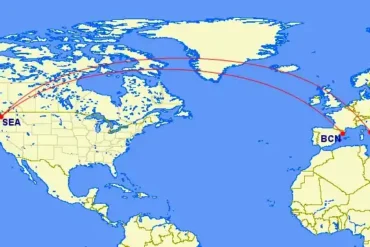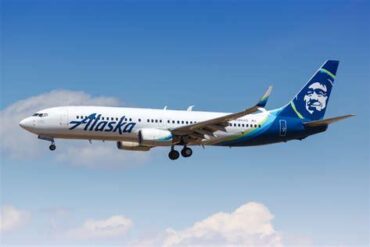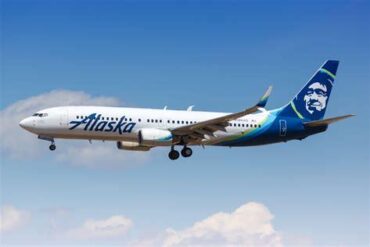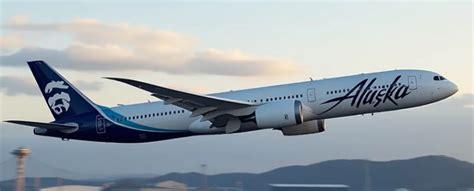
Alaska Airlines is stepping into a new era—one that redefines its identity far beyond a West Coast specialist. On April 28, 2026, the airline will inaugurate its first-ever nonstop flight to Europe, connecting Seattle to Rome with a Boeing 787-9 Dreamliner. What might have once been framed as a milestone route launch has quickly evolved into something far more consequential: a direct competitive clash with Delta Air Lines in one of the most strategically significant transatlantic markets in the United States.
This is not simply about adding a new destination. It is about positioning, perception, and long-term control of Seattle as a global gateway. Alaska’s bold expansion into long-haul flying—fueled by its acquisition of Hawaiian Airlines—is now being tested immediately, as Delta responds with speed, scale, and a refined premium offering designed to protect its dominance.
The result is a rare, head-to-head confrontation between two very different airline philosophies, unfolding almost simultaneously on the same route.
Alaska Airlines Crosses the Atlantic: A Transformational Moment
Alaska Airlines has spent decades building a reputation as a highly efficient, customer-friendly carrier focused on domestic and short-haul international routes. That identity is now being reshaped. The Seattle–Rome launch represents not just geographic expansion, but a structural shift in how the airline defines itself in the global aviation hierarchy.
Strong early demand has already pushed Alaska to upgrade the route from four weekly flights to daily seasonal service—an unusually confident move for a first-time long-haul European operation. It signals not only market enthusiasm but also the airline’s determination to establish credibility quickly.
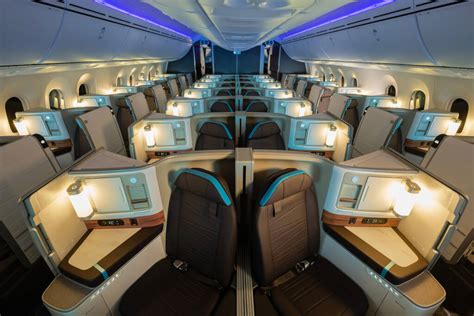
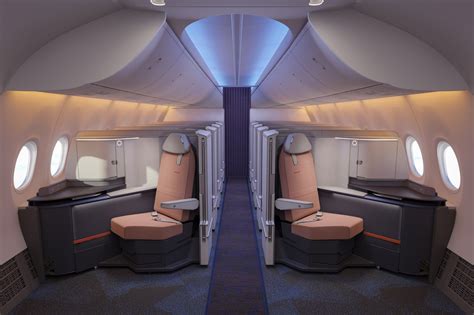
At the heart of this transformation is the Boeing 787-9 Dreamliner, an aircraft that finally gives Alaska the range, efficiency, and onboard product necessary to compete across oceans. Featuring 34 business-class suites with sliding privacy doors, the cabin represents a decisive step into the premium long-haul segment. However, the absence of a true premium economy cabin—at least for now—creates an immediate gap in its revenue strategy.
Even so, the symbolism of the moment cannot be overstated. Alaska is no longer a regional powerhouse experimenting with long-haul flying. It is positioning itself as a serious intercontinental airline with ambitions that stretch well beyond a single route.
Why Rome Became Alaska’s First European Bet
Rome was not chosen by chance. The Italian capital sits at the intersection of strong leisure demand, network connectivity, and strategic symbolism. It was, notably, one of the largest underserved European destinations from Seattle—a gap Alaska was eager to fill.
Beyond point-to-point traffic, Rome offers powerful connecting opportunities. As a gateway to Southern Europe and the Mediterranean, it enables Alaska to tap into broader travel flows, including cruise passengers and multi-destination itineraries. The route is also designed to function as a one-stop option for travelers across the West Coast and Hawaii, funneling traffic through Seattle.
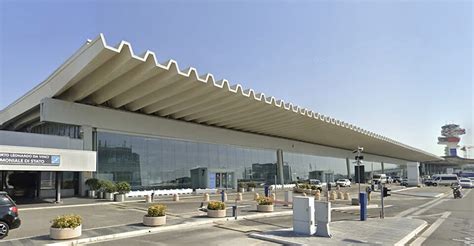
Operationally, the schedule reflects a careful balance between convenience and aircraft utilization. Departures from Seattle in the late afternoon allow for smooth connections from across Alaska’s domestic network, while afternoon arrivals into Rome maximize onward travel flexibility. The return timing mirrors this logic, ensuring efficient aircraft rotation and passenger appeal.
Rome, in this context, is more than a destination—it is a strategic launchpad. It allows Alaska to showcase its new long-haul capabilities while targeting a market with both emotional resonance and commercial viability.
Delta’s Rapid Countermove: Defending a Strategic Stronghold
Delta Air Lines has spent over a decade building Seattle into a key international hub, investing heavily in routes, infrastructure, and premium services. Alaska’s entry into transatlantic flying—especially from Seattle—was never going to go unanswered.
Just days after Alaska’s launch, Delta will begin its own nonstop Seattle–Rome service on May 6, operated by the Airbus A330-900neo. The timing is no coincidence. This is a calculated move designed to neutralize Alaska’s first-mover advantage and reinforce Delta’s position as the dominant global carrier in Seattle.
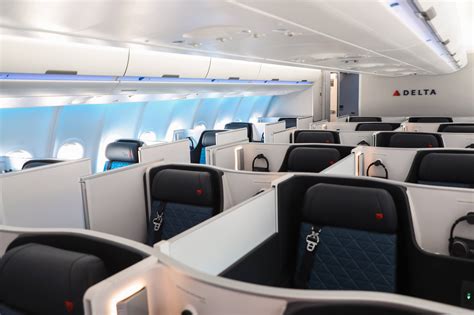
Delta’s approach is rooted in experience and product depth. Its aircraft features Delta One Suites, a dedicated Premium Select cabin, and a well-established premium economy offering—elements that collectively form a more comprehensive “premium ladder.” This structure allows Delta to capture a broader range of high-yield passengers, from corporate travelers to affluent leisure customers.
The contrast between the two airlines is stark. Alaska offers a fresh, modern business-class product but lacks the layered segmentation that Delta has refined over years of international operations. Delta, meanwhile, leverages its maturity, brand recognition, and loyalty ecosystem to present itself as the safer, more complete choice.
The Battle for Premium Passengers and Pricing Power
At its core, this competition is about more than seats and schedules—it is about revenue quality. Premium passengers drive profitability on long-haul routes, and both airlines are positioning themselves to capture this critical segment.
Alaska’s new business-class suites are undeniably competitive, offering privacy and modern design. However, without a true premium economy cabin, the airline faces a structural limitation. The gap between business class and standard economy reduces its ability to segment pricing effectively, potentially leaving revenue on the table.
Delta’s advantage lies in its ability to fine-tune its offering across multiple tiers. Premium Select acts as a bridge between economy and business class, capturing passengers willing to pay for extra comfort without the full cost of a suite. This flexibility enhances yield management and strengthens overall route economics.
In the short term, the presence of two carriers on the same route is likely to trigger fare competition, particularly during the launch phase. Promotional pricing, loyalty incentives, and marketing campaigns will intensify as both airlines seek to establish early dominance.
Over time, however, the battle will shift toward brand loyalty, product consistency, and network integration—areas where Delta currently holds an edge, but where Alaska is rapidly evolving.
The Hawaiian Airlines Factor: Fueling Alaska’s Global Ambitions
None of this would have been possible without Alaska’s acquisition of Hawaiian Airlines in 2024. The merger fundamentally changed the airline’s trajectory, providing access to widebody aircraft and long-haul operational expertise.
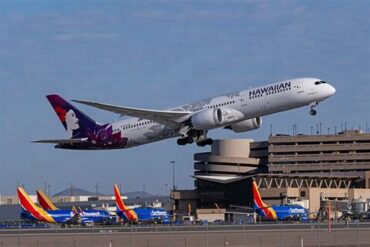
The Boeing 787-9 fleet inherited through the deal serves as the backbone of Alaska’s international strategy. These aircraft are not just tools for expansion—they are enablers of a broader vision that includes turning Seattle into a major global gateway.
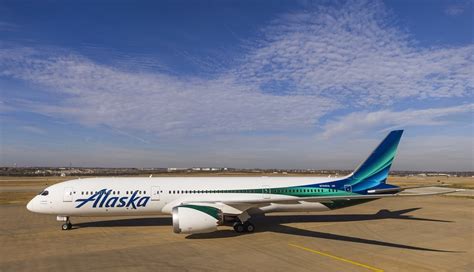
Alaska has already outlined plans to build a dedicated Dreamliner base in Seattle, with ambitions to operate up to 17 widebody aircraft across its network. The goal is clear: establish a sustainable long-haul presence supported by strong domestic feed and alliance connectivity.
This transformation is also tied to the airline’s broader growth strategy, which emphasizes premium products, international reach, and higher-margin revenue streams. The Rome launch is simply the first visible step in a much larger journey.
Expanding Beyond Rome: A Rapidly Growing Global Network
Rome is only the beginning. Alaska has already confirmed additional European routes, including London Heathrow and Reykjavik, both of which will further solidify its transatlantic footprint.
At the same time, the airline is strengthening its presence in Asia, with services to Tokyo Narita and Seoul Incheon forming a complementary network that connects key global markets through Seattle.
The broader vision is ambitious: at least 12 intercontinental destinations from Seattle by 2030. This would transform the airport into a true global hub, capable of competing with established gateways across North America.
Such expansion carries risks, particularly in a volatile economic environment with fluctuating fuel prices and shifting travel demand. However, it also presents significant opportunities to capture new revenue streams and redefine Alaska’s role in the industry.
Financial Stakes and Market Dynamics Intensify
The financial implications of this head-to-head competition are substantial. For Alaska, the Rome route was intended to be a high-profile success story—a demonstration of its ability to execute long-haul operations profitably. Delta’s entry complicates that narrative.
Increased competition typically leads to lower fares and higher marketing costs, particularly during the initial launch period. This could compress margins for both airlines, even as passenger volumes remain strong.
Delta’s decision to enter the market is not purely defensive. By challenging Alaska early, it aims to prevent the newcomer from establishing a dominant position and shaping customer perception. Protecting pricing power and premium market share in Seattle is critical to Delta’s long-term strategy.
For Alaska, the challenge is to prove that its new model can withstand competitive pressure while still delivering sustainable growth. Success on the Rome route will set the tone for future expansions and influence investor confidence in its long-haul ambitions.
A Defining Moment in Transatlantic Aviation
The launch of Alaska Airlines’ first European flight marks a turning point—not just for the airline, but for the competitive landscape of transatlantic travel from the West Coast. What began as a milestone route has quickly become a high-stakes contest between innovation and experience, disruption and dominance.
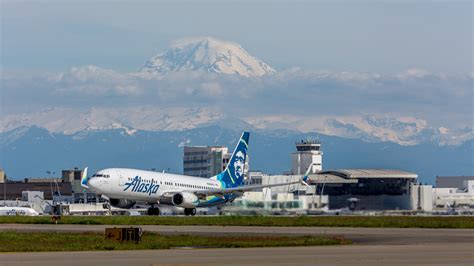
Alaska enters the arena with momentum, modern aircraft, and a bold vision for the future. Delta responds with scale, sophistication, and a deeply entrenched premium strategy. The outcome will not be decided overnight, but the early stages of this rivalry will shape the trajectory of both airlines in the years to come.
For travelers, the benefits are immediate: more choice, better products, and competitive pricing. For the airlines, however, the stakes are far higher. This is a battle for relevance, profitability, and control of one of America’s most important international gateways.
As Seattle emerges as a focal point of global aviation strategy, the skies over the Pacific Northwest are becoming more contested—and far more interesting—than ever before.