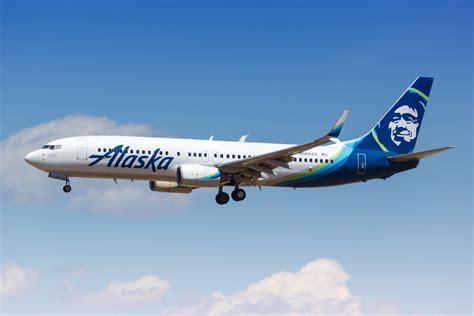
Alaska Airlines is entering a defining chapter in its history, stepping beyond its traditionally North American network to inaugurate its first-ever transatlantic services. Beginning in April 2026, the Seattle-based carrier will connect the Pacific Northwest directly to Europe, signaling a bold transformation driven by strategic growth, fleet modernization, and post-merger momentum.
The launch of these routes is not merely an expansion—it is a calculated repositioning of Alaska Airlines as a serious global competitor. With Seattle-Tacoma International Airport (SEA) as its gateway, the airline is building a bridge between North America and key European capitals, targeting both premium travelers and high-demand leisure markets.
This milestone follows the airline’s integration with Hawaiian Airlines, a move that has accelerated fleet capabilities and widened long-haul ambitions. Now, with Boeing 787-9 Dreamliners at the center of its strategy, Alaska Airlines is stepping confidently into long-haul international operations.

Seattle to Rome: A Landmark First Flight Across the Atlantic
The airline’s historic journey begins on April 28, 2026, when Alaska Airlines launches its inaugural nonstop flight from Seattle to Rome Fiumicino Airport (FCO). This seasonal route will operate daily through the peak summer travel window, with service scheduled until October 23.
Rome represents a deliberate and symbolic choice. As one of Europe’s most visited cities, it offers strong inbound tourism demand while also appealing to outbound American travelers seeking cultural and historical experiences. By choosing Rome, Alaska Airlines positions itself within a high-yield, globally recognized market from day one.
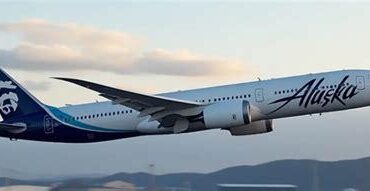
Operating this route is the Boeing 787-9 Dreamliner, a widebody aircraft optimized for long-haul efficiency and passenger comfort. The decision underscores the airline’s commitment to delivering a premium international experience, particularly important as it enters competitive transatlantic corridors.
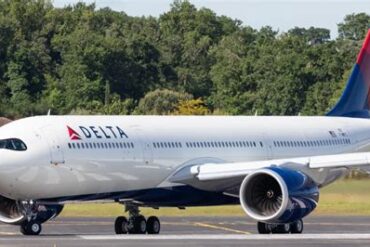
However, Alaska Airlines’ entry has not gone unnoticed. Within weeks of the route announcement, Delta Air Lines introduced competing flights between Seattle and Rome, signaling immediate market validation. This rapid response highlights the strategic importance of the Seattle–Europe corridor and Alaska’s disruptive presence within it.
London Heathrow Joins the Network: A Year-Round Strategic Bet
Following closely behind Rome, Alaska Airlines will inaugurate its Seattle–London Heathrow (LHR) service on May 21, 2026. Unlike the seasonal Rome route, London flights will operate year-round, reflecting sustained demand and the route’s significance in global aviation.
London Heathrow is among the world’s busiest and most competitive international hubs, and Alaska Airlines is entering a crowded field. Established carriers including British Airways, Delta Air Lines, and Virgin Atlantic already serve the route, creating a high-stakes competitive environment.
Yet Alaska Airlines is not entering quietly. The deployment of a 300-seat Boeing 787-9 demonstrates confidence in both passenger demand and the airline’s ability to differentiate itself. Its membership in the oneworld alliance further strengthens its position, enabling seamless connectivity and loyalty benefits for international travelers.
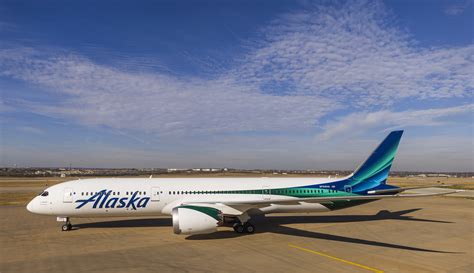
Inside the aircraft, the emphasis is firmly on comfort and accessibility. The Dreamliner features 34 business class seats, each designed as a fully flatbed product in a 1-2-1 configuration, ensuring direct aisle access for every passenger. This layout aligns Alaska Airlines with leading global standards in premium travel.
Meanwhile, the economy cabin offers 266 seats, including 72 with extra legroom, catering to a broad spectrum of travelers. The combination of premium and economy offerings reflects a balanced approach aimed at maximizing both revenue and customer satisfaction on long-haul routes.
Reykjavík Adds a Unique Northern Link to the Network
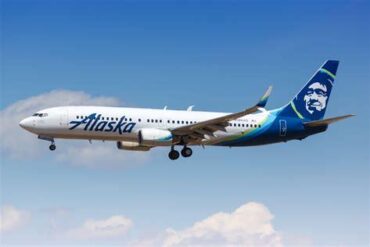
Completing Alaska Airlines’ European trio is its upcoming service to Reykjavík Keflavík International Airport (KEF) in Iceland, set to begin on May 28, 2026. This route introduces a different operational model, utilizing the Boeing 737 MAX 8, a narrowbody aircraft suited for shorter transatlantic distances.
The Seattle–Reykjavík service will also run seasonally, concluding on September 7, and will operate daily throughout its schedule. Iceland’s growing popularity as both a destination and a connecting hub makes it a compelling addition to Alaska’s network.
With 161 seats onboard, including 16 in business class and 145 in economy, the 737 MAX 8 offers a more intimate travel experience compared to widebody aircraft. This route strategy reflects a targeted, demand-driven approach, aligning capacity with seasonal travel patterns.
Competition on this route comes primarily from Icelandair, a carrier well-versed in transatlantic narrowbody operations. Nevertheless, Alaska Airlines’ strong West Coast presence and brand loyalty provide a competitive edge, particularly for travelers originating in the Pacific Northwest.
A Strategic Transformation Fueled by Fleet and Vision
These three routes—Rome, London, and Reykjavík—collectively represent more than network expansion. They mark Alaska Airlines’ transition into a globally relevant airline with long-haul capabilities. The integration of widebody aircraft, particularly the Dreamliner, signals a departure from its historical reliance on narrowbody fleets.
Seattle’s geographic position plays a crucial role in this transformation. As a gateway city with strong economic ties to both Europe and Asia, it offers a natural hub for international connectivity. Alaska Airlines is leveraging this advantage to build a long-term transatlantic presence.
The airline’s leadership has framed these launches as part of a broader vision to deliver a premium, globally connected travel experience. By combining modern aircraft, alliance partnerships, and strategic route selection, Alaska Airlines is positioning itself for sustained international growth.
As the first flights prepare for departure, the aviation industry is watching closely. The success of these routes could redefine Alaska Airlines’ trajectory, transforming it from a respected regional powerhouse into a formidable player on the global stage.