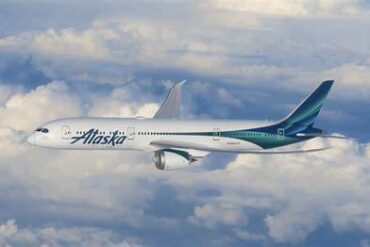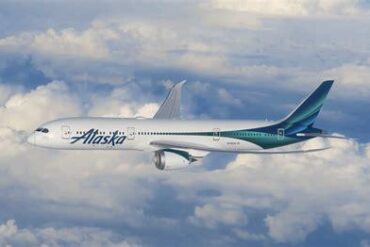
As transatlantic travel demand continues to surge, a significant shift is taking place in the skies. Alaska Airlines is officially joining the ranks of long-haul operators at one of the world’s busiest international hubs—London Heathrow. With daily flights from its Pacific Northwest base in Seattle, Alaska aims to redefine West Coast connectivity to Europe while establishing itself as a serious player in transatlantic aviation.
A Strategic Leap into the Heathrow Arena
In a highly competitive environment where access to Heathrow slots is notoriously difficult, Alaska Airlines’ entry is both strategic and opportunistic. After securing its foothold via slot leasing from its oneworld partner, American Airlines, the carrier is scheduled to commence operations on May 21, just in time to capitalize on the summer travel peak.

The use of American’s relinquished slots—once utilized for services to New York JFK, Miami, and Dallas/Fort Worth—demonstrates an adaptive approach to network expansion. By taking over the 5:00 PM departure slot previously held by American Airlines’ JFK route, Alaska not only gains prime operational timing but also bolsters oneworld’s footprint at Heathrow without increasing total slot demand.
Introducing the Boeing 787-9: A Game Changer
At the heart of this launch is the Boeing 787-9 Dreamliner, a fuel-efficient widebody that symbolizes a major fleet evolution for Alaska Airlines. The aircraft, configured with 300 seats, will cover the 4,171-nautical mile journey in just over 9 hours eastbound and 9 hours 45 minutes westbound, offering a comfortable and modern experience for both leisure and business travelers.
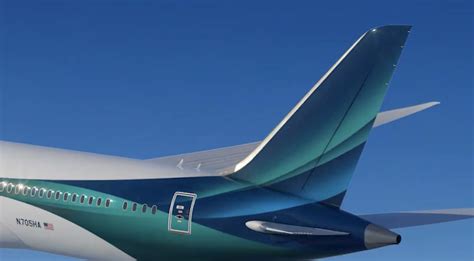
This move marks a milestone for Alaska, which has long been absent from the long-haul widebody scene. The decision to deploy the Dreamliner positions the airline to compete not only on price and frequency but also on passenger experience and sustainability—a key factor in today’s environmentally conscious market.
Reviving a Competitive Corridor: Seattle to London
Historically, the Seattle–Heathrow route has been a lucrative corridor, serving both direct and connecting passengers. Booking data from the past year reveals that 274,000 round-trip passengers traveled this route. British Airways, Virgin Atlantic, and Delta have dominated the non-stop market, while Icelandair led indirect traffic, primarily via Reykjavik.
With Alaska’s entry, the market becomes even more dynamic. Heathrow-Seattle will now offer five daily flights, matching the 2023 peak when American Airlines last operated the route. The lineup includes:
- British Airways: Twice daily (Boeing 777-300ER and 787-10)
- Delta Air Lines: Daily (Airbus A330-900neo)
- Virgin Atlantic: Daily (Boeing 787-9)
- Alaska Airlines: Daily (Boeing 787-9)
The result is a record-equalling five daily departures, with oneworld alliance carriers regaining a lead over SkyTeam in this transatlantic segment.
Beyond Point-to-Point: The Power of Connectivity
While many travelers focus on direct links between cities, the real strategic advantage lies in connecting traffic. More than 50% of passengers flying British Airways from Seattle transferred onwards from Heathrow, making it clear that European, Middle Eastern, and Indian markets play a huge role.
Alaska Airlines aims to tap into this model by feeding traffic through its robust Seattle hub, where its regional and domestic network can channel passengers from across the U.S. west coast and interior. Though the 6:45 PM Heathrow arrival poses some challenges for onward connections within Europe, the carrier likely sees value in capturing the outbound U.S.-Europe flow and offering seamless returns via Heathrow’s evening bank of departures.

What This Means for American Airlines
American’s decision to trim its Heathrow operations provides critical context. In July 2025, American is forecast to operate 21 daily departures, a noticeable drop from 26 in 2023. The biggest reductions are seen on JFK, Miami, and Dallas/Fort Worth routes. The reallocation of the JFK-Heathrow 5:00 PM slot to Alaska underscores a recalibration within the transatlantic joint venture shared by American and British Airways.
By enabling Alaska to step in, American maintains alliance strength and optimizes resource utilization. British Airways, meanwhile, is increasing its own JFK-Heathrow frequencies from eight to nine daily, likely offsetting the dip in American’s presence.
Alaska’s Transatlantic Gamble: Calculated or Risky?
Launching a new long-haul service in a post-pandemic environment carries inherent risks—especially into a saturated and premium-heavy market like Heathrow. Yet, Alaska’s brand reputation, strong loyalty program, and emerging long-haul fleet suggest a calculated risk rather than a blind leap.
The airline’s entry is well-timed to capture peak demand and offers a distinct West Coast value proposition: direct connectivity to Europe with competitive pricing, supported by a full-service onboard product and elite alliance benefits.

Passengers now have more choice, increased flexibility, and enhanced alliance benefits when flying between the U.S. Pacific Northwest and Europe’s top hub. For Alaska Airlines, the daily Seattle-Heathrow service is more than just a new route—it’s a bold declaration of global ambition.
Conclusion: New Era for Alaska Airlines and Transatlantic Travel
As Alaska Airlines spreads its wings across the Atlantic, its inaugural Seattle to London Heathrow service marks the beginning of a promising chapter. The strategic slot acquisition, advanced aircraft deployment, and robust alliance synergy with American and British Airways set the stage for long-term success.
For travelers, this means greater competition, improved service, and a revitalized transatlantic corridor. For Alaska Airlines, it signals the evolution from a domestic heavyweight to an international contender poised to shape the future of West Coast global travel.