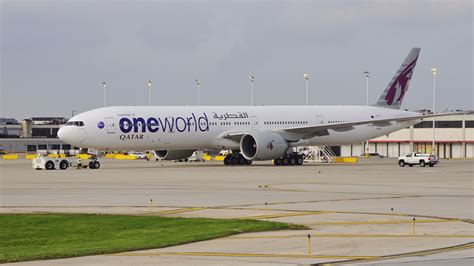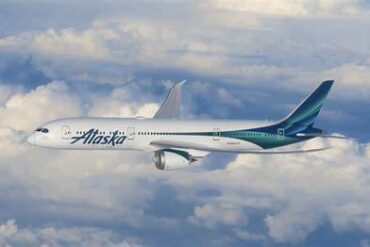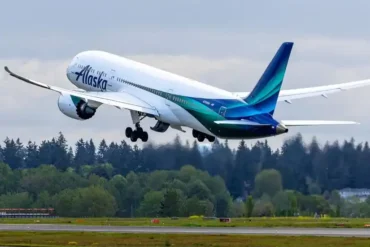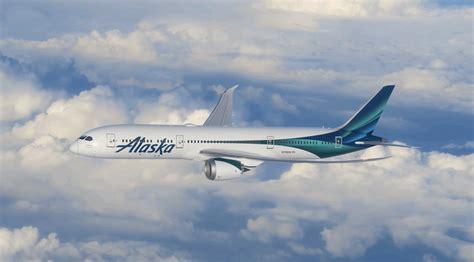
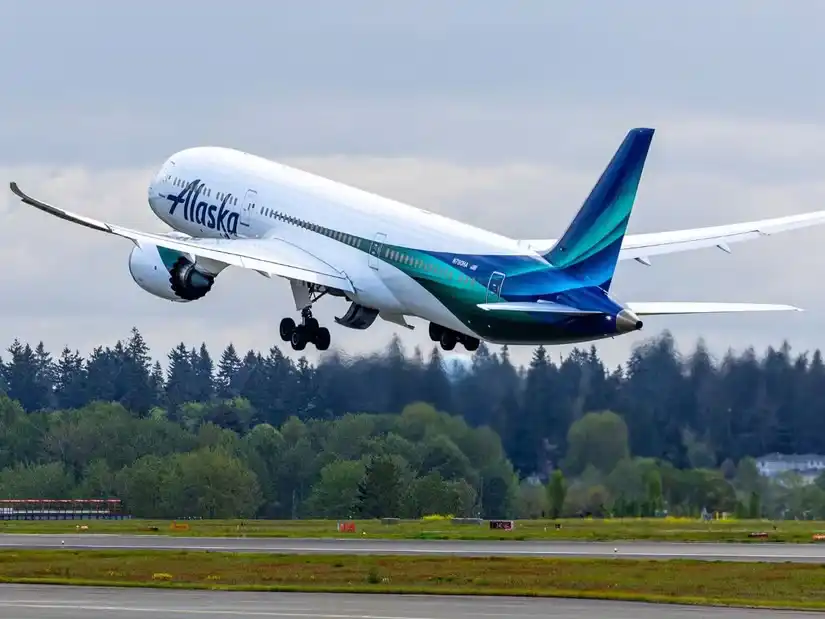
London Heathrow Airport has further cemented its position as the most important hub in the oneworld alliance following the arrival of Alaska Airlines’ inaugural nonstop service from Seattle-Tacoma International Airport. The new transatlantic route is more than just another long-haul addition to Heathrow’s crowded schedule. It represents a deeper expansion of oneworld’s network strategy, reinforcing Heathrow’s role as the alliance’s dominant global connecting gateway.
The debut flight from Seattle marks Alaska Airlines’ first direct service to the United Kingdom and places the carrier alongside 13 other oneworld members already operating from Heathrow. The launch significantly expands the alliance’s reach across the North Atlantic while giving passengers stronger connectivity between North America, Europe, the Middle East, and Asia through one centralized hub.
As flight AS100 crossed northern Canada en route to London, the route immediately became symbolic of how alliances are increasingly shaping global aviation competition. Heathrow already handles millions of connecting travelers every year, but Alaska Airlines’ entry demonstrates that oneworld is still actively growing its influence at Europe’s busiest international gateway.
The addition also reflects Alaska Airlines’ broader ambitions after joining oneworld in 2021. Once viewed primarily as a strong West Coast domestic carrier, the airline is now leveraging alliance partnerships to expand its global footprint and compete more directly with larger transatlantic rivals.
Heathrow’s Dominance Within the oneworld Alliance Continues To Expand
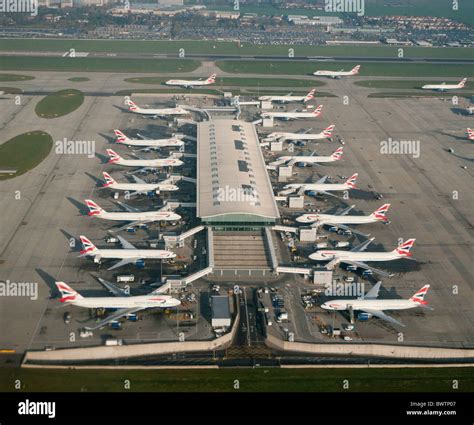
London Heathrow has become the centerpiece of the oneworld alliance largely because of the overwhelming presence of British Airways, the alliance’s founding member and the airport’s largest operator. British Airways alone accounts for the majority of oneworld flights at Heathrow, creating an enormous concentration of alliance connectivity through West London.
That scale is staggering. During June 2026, oneworld carriers are scheduled to operate approximately 11,730 departing flights from Heathrow. Out of nearly 20,000 total departures at the airport during the month, almost 59% belong to oneworld airlines. British Airways contributes more than 10,000 of those departures, far exceeding any other alliance member.
American Airlines remains the second-largest oneworld operator at Heathrow, followed by Iberia, Qatar Airways, Cathay Pacific, Finnair, and Japan Airlines. Smaller but strategically important operators such as Royal Jordanian, Oman Air, SriLankan Airlines, and Royal Air Maroc also strengthen the alliance’s geographic diversity.
The arrival of Alaska Airlines increases the number of oneworld carriers serving Heathrow to 14, leaving Fiji Airways as the only alliance member not currently operating flights to the airport. The concentration of alliance activity gives Heathrow unmatched importance within oneworld’s global strategy, especially for premium and connecting passengers.
According to alliance estimates, around 29 million oneworld passengers traveled to, from, or through Heathrow last year, with nearly one-third connecting between flights. That level of traffic transforms Heathrow from a simple origin-and-destination airport into a massive alliance transfer ecosystem.
Alaska Airlines Brings New Competitive Energy Across the Atlantic
The Seattle-to-Heathrow route is strategically important because it connects one of America’s fastest-growing technology and business markets directly into oneworld’s strongest European hub. Seattle already serves as a major gateway for transpacific operations, and the new Heathrow service now allows Alaska Airlines to offer smoother one-stop access to destinations across Europe, the Middle East, Africa, and South Asia.
For passengers, the route creates a significantly broader network beyond London itself. Travelers departing Seattle can now access onward connections through Heathrow using fellow oneworld carriers including British Airways, Qatar Airways, Iberia, Finnair, and Royal Jordanian.
The move also intensifies competition on premium transatlantic routes. Heathrow remains one of the world’s most lucrative aviation markets, particularly for corporate travelers willing to pay premium fares for schedule flexibility and alliance loyalty benefits. Alaska Airlines’ entry strengthens oneworld’s competitive position against SkyTeam and Star Alliance rivals already deeply entrenched in London.
Industry observers have also noted that the route places additional pressure on Delta Air Lines, which has aggressively expanded its own Seattle operations in recent years. Alaska Airlines now possesses a stronger long-haul proposition capable of keeping more Pacific Northwest travelers within the oneworld ecosystem.
Heathrow’s Extensive Lounge Network Reinforces Premium Appeal
One of Heathrow’s greatest advantages for oneworld travelers is the alliance’s enormous lounge footprint spread across multiple terminals. Premium passengers and elite frequent flyers increasingly judge airports not only by flight schedules but also by the quality of the ground experience, and Heathrow has become one of the alliance’s showcase locations.
There are currently 13 oneworld-affiliated lounges operating across Heathrow terminals. Terminal Five alone contains seven lounges, largely because it functions as British Airways’ primary home base. Iberia also operates from Terminal Five, strengthening the alliance’s concentration there.
Terminal Three serves as another major oneworld center. Airlines including Alaska Airlines, American Airlines, Cathay Pacific, Finnair, Japan Airlines, Qantas, Royal Jordanian, and SriLankan Airlines all use the terminal for Heathrow operations. Five oneworld lounges are located there, hosted by American Airlines, British Airways, Cathay Pacific, and Qantas.
Meanwhile, Terminal Four houses Qatar Airways, Malaysia Airlines, Oman Air, and Royal Air Maroc. Qatar Airways operates the terminal’s primary oneworld lounge facility, delivering one of the airport’s most premium experiences for long-haul travelers.
The extensive lounge network plays a critical role in keeping premium customers loyal to the alliance. Long connection times become far more manageable when travelers have access to high-end dining, private workspaces, showers, sleeping areas, and direct customer support.
oneworld Prepares for a Massive Summer at Heathrow
As the peak summer travel season approaches, Heathrow is expected to become even busier for oneworld carriers. Alliance members are projected to operate nearly 2,800 weekly flights from the airport to more than 160 destinations across over 60 countries.
That extraordinary scale highlights why Heathrow remains indispensable despite slot constraints, high operating costs, and intense competition from rival European hubs such as Paris Charles de Gaulle, Amsterdam Schiphol, and Frankfurt Airport.
For oneworld, Heathrow is not simply another large airport. It is the alliance’s operational heart, where global partnerships, premium services, and long-haul connectivity combine into a single coordinated network. Alaska Airlines’ arrival only deepens that status, giving the alliance another strategic link across the Atlantic while reinforcing Heathrow’s position as the world’s most important oneworld gateway.