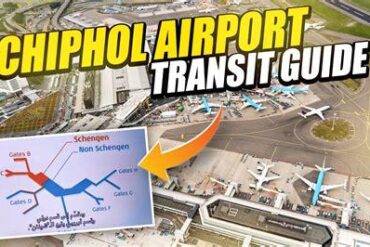
Amsterdam Schiphol Airport, Europe’s fourth-busiest air hub, closed 2024 on a high note, serving 66.8 million passengers and operating 473,815 flight movements. As the gateway to the Netherlands, Schiphol has entrenched itself among continental giants like London Heathrow, Istanbul, and Paris Charles de Gaulle. This remarkable rebound from pandemic-era struggles underscores not just operational resilience but a forward-looking strategy powered by both innovation and expansion.
The strategic growth comes amid a turbulent political climate, legal entanglements over environmental regulations, and rising tensions with nearby residents over noise pollution. Yet, Schiphol persists in building one of the continent’s most sophisticated and connected airport ecosystems.
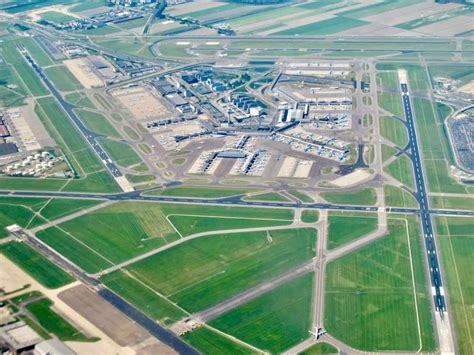
A Resilient European Aviation Titan
In 2024, Royal Schiphol Group’s annual report outlined a revitalized performance: a 5 million increase in passengers compared to 2023. Not only did Amsterdam’s airport outpace rivals like Frankfurt and Madrid, it also reclaimed a significant role in post-pandemic aviation recovery. Half of the Dutch adult population took at least one flight via Schiphol in 2024, a testament to the airport’s central role in national mobility.
The airport’s connectivity statistics are particularly striking. It ranked second in direct connectivity in Europe and fifth globally for hub connectivity, according to the Airports Council International (ACI). These metrics highlight Schiphol’s significance not only as a local gateway but as a vital cog in the global aviation network.
Airline Dominance: KLM, Transavia, and Beyond
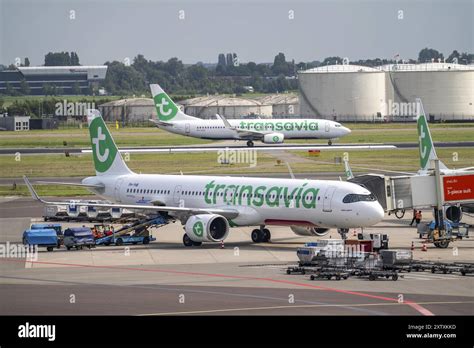
KLM Royal Dutch Airlines remains the dominant carrier, accounting for 55.2% of all movements with over 255,000 scheduled operations. Transavia, under the Air France-KLM Group, solidified its position with nearly 30,000 flights. easyJet held the second spot in 2024 but plans to reduce its capacity in 2025, while KLM and Transavia are set for moderate growth.
New entrants in 2025 further highlight Schiphol’s growing international appeal. Indian low-cost carrier IndiGo, Oman Air, and WestJet are launching services, with IndiGo introducing Amsterdam routes using wet-leased Boeing 787-9s. Their participation is further amplified by partnerships with Air France-KLM, Delta, and Virgin Atlantic.
The Power of 440 Routes
In June 2025, Schiphol boasted a record 440 scheduled routes, marking its highest operational breadth to date. These include complex one-stop itineraries like KLM’s flights to Georgetown via Saint Martin. The most frequented short-haul routes include:
- Barcelona El Prat (BCN): 106 weekly flights by Vueling, KLM, and Transavia.
- London Heathrow (LHR): 104 weekly departures from British Airways and KLM.
- Dublin Airport (DUB): 95 weekly flights by Aer Lingus, KLM, and Ryanair.

On the intercontinental front, the busiest connections are to New York JFK, Atlanta, and Toronto Pearson, heavily supported by the Blue Skies joint venture between KLM and Delta. This alliance’s dominance has drawn the attention of the European Commission, particularly regarding JetBlue’s legal challenge over slot allocations, now resolved.
Larger Aircraft, Fewer Movements: The Upgauging Strategy
Schiphol’s near-capacity operations have prompted a shift in strategy. Airlines are upgauging—replacing smaller aircraft with higher-capacity models—to comply with proposed 478,000 annual movement limits while increasing seat supply.
In 2025 alone:
- Over 17,590 flights will use Airbus A321neo, replacing less efficient 737-800s.
- Widebody usage is shifting from aging 777 and A330s toward A350 and Boeing 787 families.
- Despite minimal increases in total movements, 3 million additional seats will be offered in 2025.

KLM and Transavia lead this transformation, with KLM operating eight and Transavia nine A321neos, as per ch-aviation data. The aircraft’s reduced noise profile and fuel efficiency align with Schiphol’s push for sustainability.
Balancing Expansion With Environmental Concerns
Schiphol’s ambitions are tangled in political and environmental disputes. In 2024, the Dutch government confirmed a controversial cap of 478,000 flight movements annually—down from 500,000—to mitigate noise impact. The reduction is expected to cut severe noise disruption by 15%, with a further 5% to follow.
In response, Schiphol unveiled tiered airport charges effective through 2027. Airlines operating newer, quieter aircraft will benefit from reduced fees, while older, noisier jets will face steeper costs. This pricing structure is already reshaping airline fleet strategies and route planning.

Dutch Minister of Infrastructure Barry Madlener defended the move as balanced, aiming to meet both public health needs and the commercial viability of airlines. However, the European Commission raised flags about the scope and procedural rigor of the Dutch government’s plans. The EC noted the failure to address general and business aviation, and a limited exploration of noise-reduction technologies like advanced navigation procedures.
Future-Proofing Amsterdam Schiphol
In August 2024, the Royal Schiphol Group launched a multi-billion-euro investment initiative focused on infrastructure renewal, technological upgrades, and sustainability. The projects include:
- Terminal enhancements to reduce congestion.
- Automated border control and streamlined security processes.
- Expansion of sustainable aviation fuel (SAF) infrastructure.
- Further noise-reduction innovation, including updated glide paths and new runway usage protocols.
While these plans face regulatory scrutiny and funding hurdles, they represent Schiphol’s most ambitious transformation since the early 2000s. With significant capital investment and a focus on maintaining both operational scale and community harmony, the airport’s long-term outlook remains cautiously optimistic.
Conclusion: A Nexus of Change and Opportunity
Amsterdam Schiphol’s expansion to 440 routes, record-breaking passenger levels, and a concerted push toward sustainability form a complex but compelling narrative. The airport is no longer just a transportation hub; it is a battleground where economic priorities, environmental responsibilities, and international competition intersect.
Despite political roadblocks and legal challenges, Schiphol remains an essential artery for European and global air travel. By aligning fleet modernization, strategic partnerships, and environmentally conscious policy, the airport is poised to redefine its role for the next decade. As long as these competing forces are held in careful balance, Amsterdam Schiphol will continue to serve as a beacon of global connectivity and innovation.