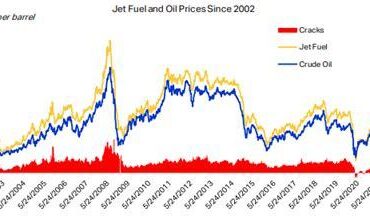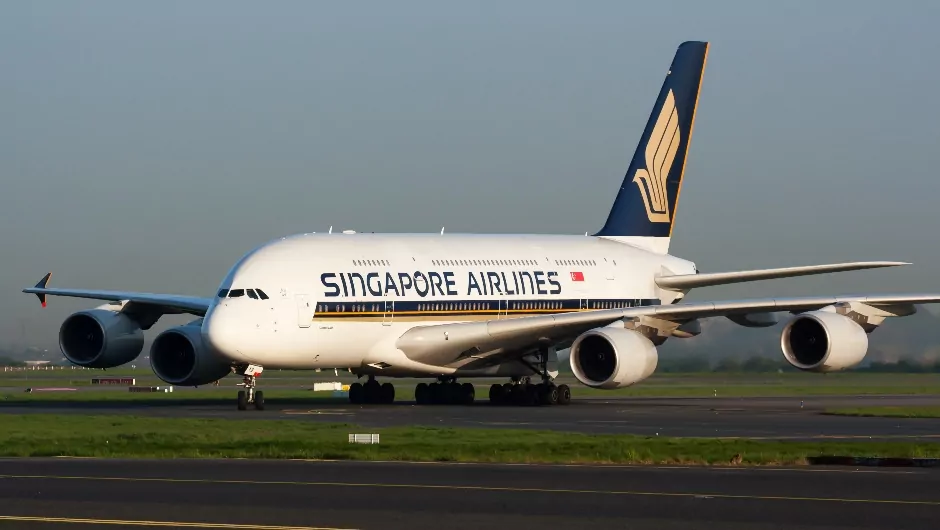
In the ever-evolving landscape of the global aviation industry, Singapore Airlines (SIA) stands out as a resilient player, particularly in the face of rising fuel prices that have plagued many airlines. With fuel costs often constituting a significant portion of operational expenses, the ability to manage these costs effectively is crucial for any airline’s sustainability and growth. SIA has adopted a robust fuel-hedging strategy, which allows it to navigate the turbulent waters of fluctuating oil prices while maintaining its competitive edge.
Recent analyses have highlighted SIA’s proactive approach to fuel hedging as a key factor in its resilience. According to DBS Bank analyst Jason Sum, SIA remains “relatively insulated” from the wild swings in Brent crude and jet fuel prices due to its hedging policy, which secures approximately 40% of its near-term fuel requirements. This strategic maneuver not only offers a buffer against the unpredictable nature of oil price volatility but also enables SIA to lock in fuel prices at manageable levels. The foresight exhibited by the airline in managing its fuel expenses allows it to avoid the worst impacts of recent price hikes, thus securing its financial health.
As global oil prices have been experiencing significant fluctuations, SIA’s hedging strategy comes at an opportune time. The airline industry’s heavy reliance on fuel costs means that any proactive measures taken can significantly enhance operational predictability. In fact, the current market environment, marked by volatility, has made SIA’s foresight even more commendable.
Beyond its hedging strategy, there are additional factors that contribute to SIA’s strong position. Carmen Lee, the head of investment research at OCBC Bank, pointed out that rising fuel costs could be somewhat mitigated by a weaker US dollar. Since oil prices are typically denominated in US dollars, a decline in the dollar’s value can effectively lower the cost of purchasing oil for international airlines, including SIA. This interplay between currency fluctuations and fuel pricing further bolsters SIA’s capability to manage rising costs without severely impacting its financial performance.
Despite these advantages, analysts from Rystad Energy have noted that oil prices may be stabilizing after a tumultuous period of volatility. As of June 16, the price of Brent crude was hovering around $73 to $74 per barrel, following a spike to $78 on June 13. This stabilization presents a more manageable environment for airlines moving forward, especially given the forecasted price levels expected to remain below $80 per barrel in the near future.
However, the broader economic landscape poses challenges that could affect SIA and the entire airline industry. Carmen Lee cautioned that rising tensions in the Middle East, a critical oil-producing region, might negatively influence consumer sentiment and subsequently impact airline demand. As global uncertainty mounts due to political unrest, potential travelers may become hesitant to commit to international flights, leading to a decline in air travel. This situation could stifle airline growth and profitability, despite any improvements in fuel cost management.
Moreover, the overall market sentiment plays a vital role in determining airline success. If consumer confidence diminishes due to geopolitical tensions, such as those observed in the Middle East, passengers may alter their travel plans, resulting in diminished demand for flights. The uncertainty surrounding global conflicts and rising tensions could dampen the outlook for the airline industry as a whole, posing additional hurdles for airlines trying to regain pre-pandemic levels of operation.
Adding to the potential challenges faced by the airline industry, Jason Sum from DBS highlighted a recent incident involving Air India, which could have adverse effects on consumer perceptions of airline safety and reliability. While the industry is undergoing significant transformations—including efforts to enhance customer service and operational efficiency—incidents like the one involving Air India can erode public trust in airlines. Such erosion of confidence can have long-lasting repercussions on airlines’ abilities to recover and grow within an increasingly competitive global market.
The perception of safety and reliability remains paramount for customers when choosing an airline. Any lapses in these areas can lead to significant shifts in consumer behavior, further complicating recovery efforts for airlines like Singapore Airlines. In light of these factors, while SIA is relatively shielded from the immediate impacts of rising fuel prices thanks to its strategic fuel-hedging measures, the broader environment remains fraught with challenges.
In conclusion, Singapore Airlines continues to demonstrate resilience in a challenging environment marked by fluctuating fuel prices and geopolitical uncertainties. Its strategic fuel-hedging approach provides a solid foundation for navigating these tumultuous waters. However, as the airline grapples with external factors such as geopolitical tensions and incidents affecting public perception, its ability to maintain this resilience will be tested. SIA’s strong financial strategies, coupled with its proactive management of fuel costs, ensure that it is well-positioned to weather the storm and uphold its competitive edge in the global aviation industry.