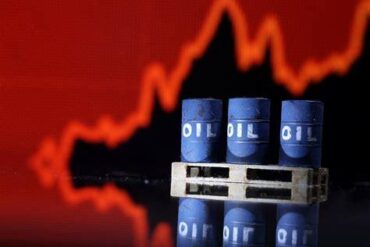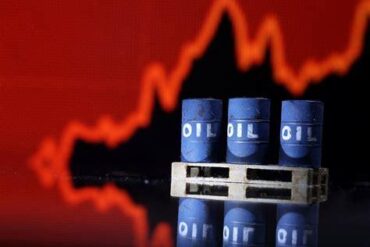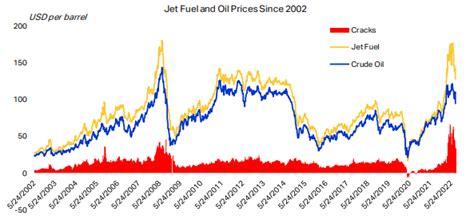
Global aviation operates on thin margins, and when fuel prices surge, the effects ripple quickly through the entire industry. The latest geopolitical turmoil surrounding the 2026 Iran crisis has pushed oil markets into renewed volatility, sending the benchmark price of crude above $100 per barrel for the first time since 2022. For airlines, this development is more than a headline—it directly threatens profitability and forces difficult decisions about fares, operations, and route strategies.
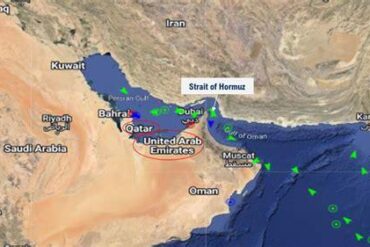
Airlines rely on jet fuel as one of their most significant operational expenses. When geopolitical disruptions interfere with oil production, refining capacity, or shipping routes, aviation costs climb rapidly. The recent air strikes involving US and Israeli forces targeting Iranian facilities, combined with supply disruptions after an oil refinery in Bahrain was hit, have shaken energy markets. The consequences extend far beyond the Middle East, affecting airline ticket prices worldwide.
For travelers, the immediate impact is simple but frustrating: airfares are beginning to climb. Airlines facing dramatically higher fuel costs often pass at least part of the burden onto passengers. Even when demand for travel remains strong, carriers must protect their margins to remain financially viable. The result is a delicate balancing act between maintaining competitive ticket prices and covering sharply rising operating expenses.
The Aviation Industry’s Dependence on Jet Fuel
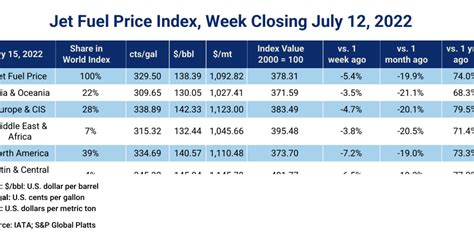
Jet fuel is the lifeblood of commercial aviation, and its price directly influences airline economics. For most carriers, fuel represents the second-largest operating cost after labor, often accounting for 20% to 30% of total expenses. When prices spike suddenly, the financial impact can be immediate and severe.
The current surge has been dramatic. Reports indicate that jet fuel prices have jumped by as much as 58% since the conflict began, forcing airlines to reassess budgets and financial forecasts. Unlike some industries that can quickly adjust supply chains or raw materials, airlines cannot easily reduce fuel consumption in the short term. Aircraft schedules, route networks, and fleet operations are planned months in advance.
Complicating matters further is the strategy many US airlines follow regarding fuel risk. Several major carriers—including United Airlines, American Airlines, and Delta Air Lines—generally avoid long-term fuel hedging strategies. While this approach can be advantageous during periods of stable or declining oil prices, it leaves airlines more exposed when sudden geopolitical shocks push prices upward.
United Airlines Signals Potential Fare Increases
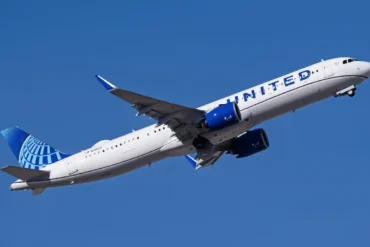
Among US carriers, United Airlines has been particularly vocal about the growing financial pressure caused by rising fuel costs. CEO Scott Kirby recently warned that the dramatic increase in jet fuel prices would have a “meaningful impact” on the airline’s quarterly financial performance.
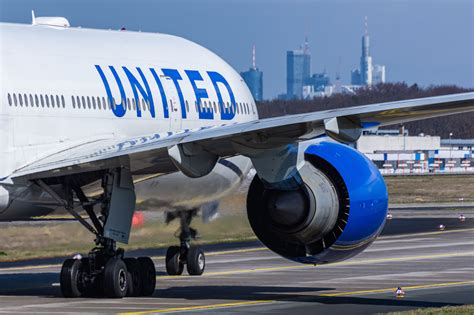
According to internal projections, the surge in fuel expenses could significantly affect Q1 and potentially Q2 earnings if oil markets remain volatile. When operational costs rise this quickly, airlines often respond by adjusting ticket prices across multiple routes. Kirby indicated that fare increases could “start quickly” if fuel costs continue climbing.
Yet the situation presents an interesting contradiction. Even as operational costs rise, passenger demand has remained resilient. In some cases, demand has actually surged on routes that bypass politically sensitive regions. For example, United reported a dramatic increase in bookings from Australia and New Zealand to Europe, as travelers seek itineraries that avoid Middle Eastern transit hubs.
Such shifts in passenger behavior demonstrate how global events reshape travel patterns almost overnight. Airlines that can adapt quickly to these changes may soften the financial blow caused by rising fuel costs.
American Airlines and Market Pressure
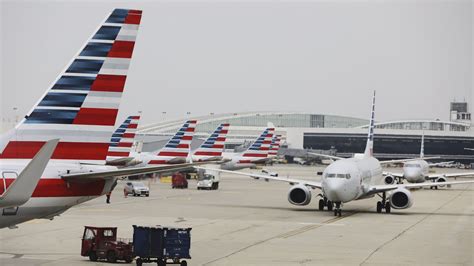
While operational costs rise across the industry, American Airlines faces particular financial sensitivity due to the enormous scale of its operations. For a carrier with thousands of daily flights, even a minor increase in fuel prices can translate into staggering additional expenses.
Industry estimates suggest that a 1% increase in jet fuel prices could add roughly $50 million to American Airlines’ annual costs. Multiply that across multiple percentage points, and the financial impact quickly becomes enormous. Such cost pressures force airline executives to make difficult decisions regarding pricing, route planning, and capital investment.
Financial markets have already reacted to the uncertainty. Airline stocks across the United States have experienced notable declines amid the oil price surge. Recent trading data showed American Airlines shares falling around 6%, while Delta Air Lines dropped roughly 5.5%, and Southwest Airlines slipped about 5%. United Airlines, facing similar challenges, experienced an even sharper decline of nearly 7%.
These market reactions highlight investor concern that prolonged fuel price volatility could erode airline profitability throughout the year.
Europe’s Airlines Face a Similar Fuel Squeeze
The pressure is not limited to North America. Across Europe, airlines are confronting an equally severe fuel cost shock. In northwestern Europe, the price of jet fuel reportedly jumped from $830 per tonne to more than $1,500, nearly doubling within a short period.
Europe’s vulnerability stems partly from its dependence on imported fuel. Roughly half of the region’s aviation fuel originates from the Middle East, meaning disruptions in that region can quickly translate into shortages or price spikes. As supplies tighten, kerosene becomes an increasingly expensive commodity for airlines.
Budget carriers are particularly sensitive to these fluctuations. Wizz Air, one of Europe’s largest low-cost airlines, has already warned that rising fuel costs could reduce its annual profit by approximately €50 million. For airlines built on ultra-thin margins and aggressive pricing strategies, such losses are significant.
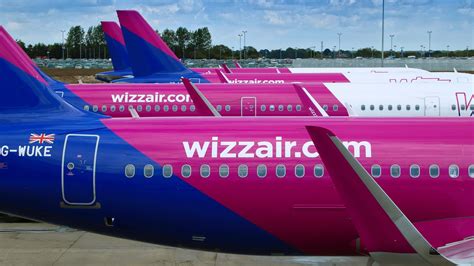
Full-service European carriers face similar pressures, although larger networks and premium cabin revenue streams may provide slightly greater financial flexibility.
What Travelers Can Expect Next
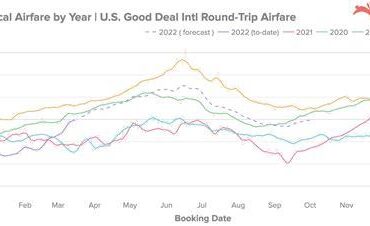
As fuel prices remain elevated, airline ticket prices are likely to trend upward, especially on long-haul routes where fuel consumption is highest. Carriers may introduce temporary fuel surcharges, adjust route frequencies, or redeploy aircraft to more profitable markets.
At the same time, airlines will continue watching global energy markets closely. If geopolitical tensions ease and oil prices stabilize, fare increases could slow. But if supply disruptions persist, travelers should prepare for a period of more expensive air travel worldwide.
For the aviation industry, the current moment serves as another reminder of how tightly global travel is linked to energy markets and geopolitics. When oil prices spike, the impact quickly travels from distant refineries and shipping lanes all the way to the boarding gate—ultimately appearing in the price printed on a passenger’s ticket.