The recent escalation of U.S. military activity in the Caribbean, punctuated by the blockade of Venezuelan oil tankers, raises pressing questions about the true objectives of Washington’s strategy. Officially framed as a crackdown on drug trafficking, the aggressive moves led by President Donald Trump appear to reveal an ulterior motive: control over Venezuela’s unparalleled oil wealth.
Venezuela, sitting atop the largest proven oil reserves on Earth, has long been a focal point of U.S. energy policy and geopolitical interest. Yet the current narrative offered by the Trump administration, emphasizing a drug war rationale, has been met with deep skepticism from analysts, foreign governments, and oil market experts.
The World’s Largest Oil Reserves: A Hidden Prize?
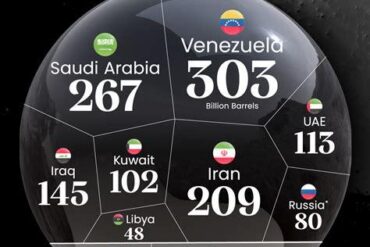
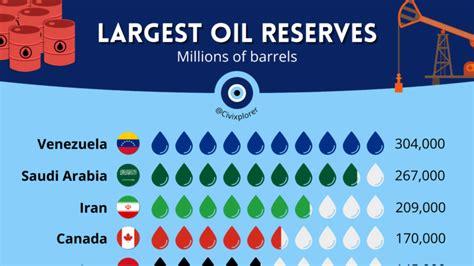
Venezuela’s petroleum sector, once a robust pillar of its economy, has been in decline due to years of mismanagement, corruption, and debilitating U.S. sanctions. Still, the country boasts an estimated 303 billion barrels of proven oil reserves—surpassing even Saudi Arabia. This strategic asset remains largely untapped due to infrastructure decay and political instability.
Many in the international community question whether the U.S. blockade is less about illicit narcotics and more about isolating Nicolás Maduro’s regime to open a path for American energy dominance in the region. As President Trump intensifies sanctions, seizes oil tankers, and floats suggestions of regime change, the message appears increasingly focused on reclaiming Venezuela’s energy resources.
A Historical Oil Entanglement
American involvement in Venezuelan oil dates back to the 1920s, when U.S. companies were first to tap into the country’s rich reserves. Throughout the 20th century, Venezuela was a key oil supplier to the United States, at times providing up to 60 million barrels per month. Many American refineries are still optimized for heavy Venezuelan crude, highlighting an ongoing dependency.
This relationship fractured in the early 2000s, particularly after socialist president Hugo Chávez nationalized the oil industry, seizing U.S. assets in 2007. Venezuela’s production, which once exceeded 3 million barrels per day (bpd), has now plummeted to around 1 million bpd, or roughly 2% of global output.
Chevron remains the only U.S. firm still operating in Venezuela, managing to export approximately 200,000 barrels per day under a special license. But the broader economic relationship has crumbled, exacerbated by U.S. sanctions imposed in 2019, targeting the state-run oil company PDVSA.
Military Maneuvers and Oil Tanker Seizures
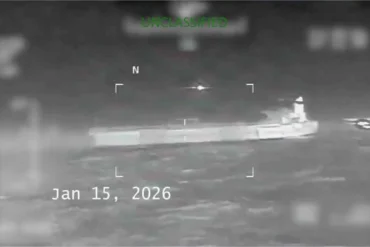
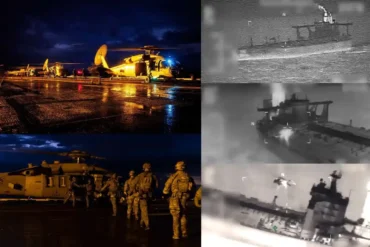
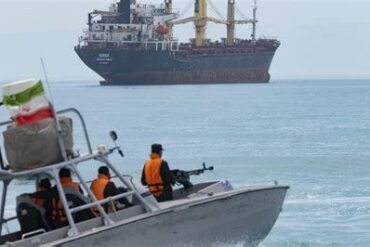
In a dramatic turn, the Trump administration announced a total blockade on Venezuelan oil shipments in mid-December 2025. This includes aggressive seizure operations of sanctioned tankers, justified as part of an anti-drug initiative.
Among the notable targets:
- M/T Skipper, intercepted while allegedly delivering over 1 million barrels to Cuba.
- Centuries, a Chinese-owned, Panama-flagged ship, not officially sanctioned but carrying 1.8 million barrels of PDVSA oil.
- Bella 1, under U.S. sanctions for purported ties to Iran.
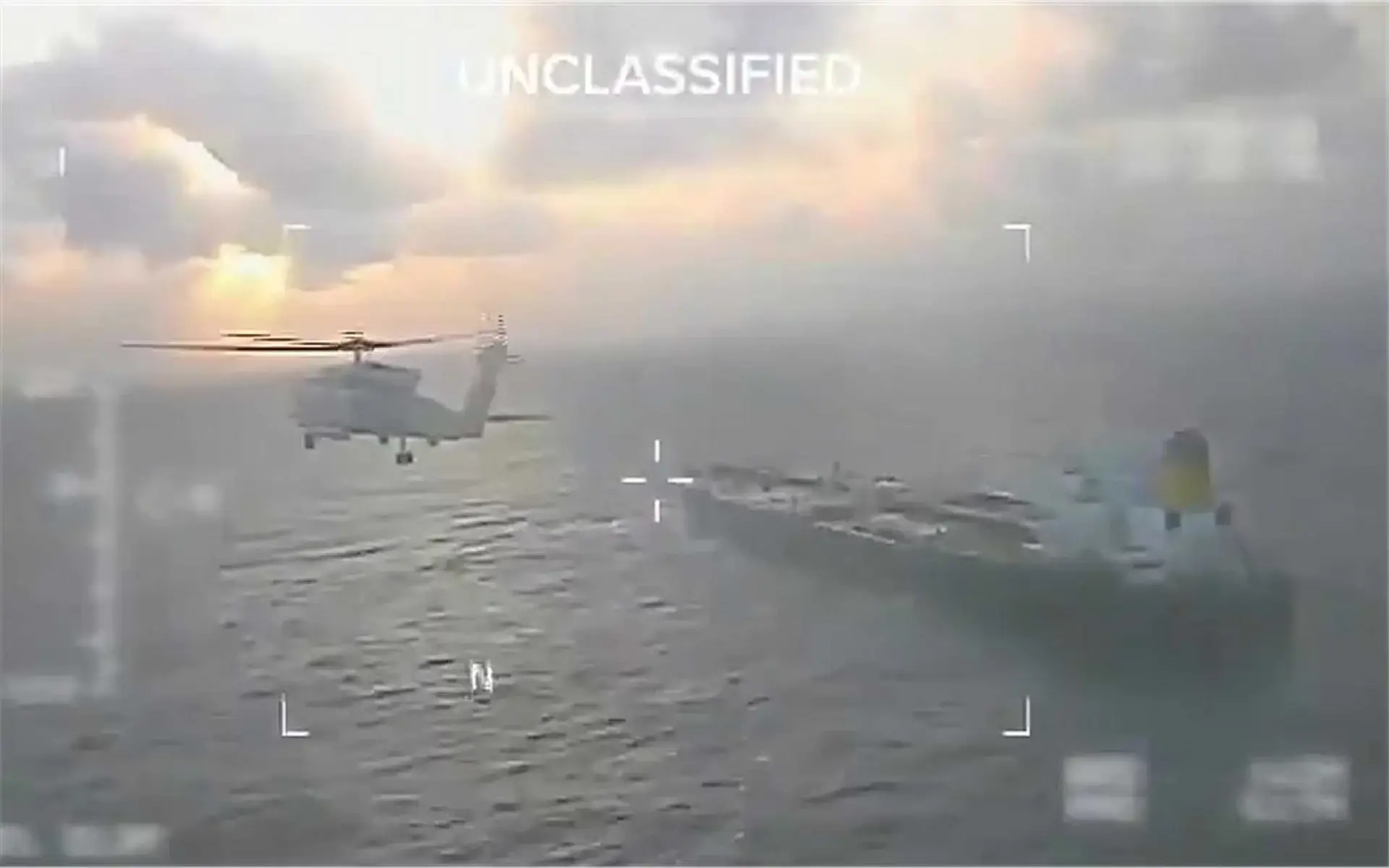
Despite denials from the U.S. Treasury, these operations suggest a broad interpretation of sanctions, with Washington asserting ownership over oil cargo valued at $50 to $100 million.
Trump’s Message: Step Down or Face Consequences
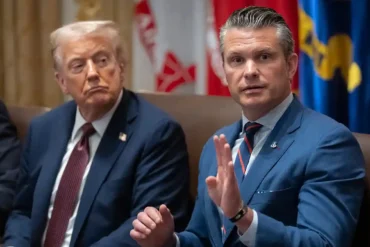
Public remarks by President Trump have fueled further speculation. While coy about enforcing regime change, his repeated assertions that “it would be smart” for Maduro to leave office imply a clear endgame. In a veiled warning, he added, “If he plays tough, it’ll be the last time he’s ever able to play tough.”
These comments were met with defiance by Maduro, who urged Trump to “focus on his own country’s problems.” The confrontation has spilled into diplomatic circles, with Russia expressing “full support” for Venezuela and denouncing U.S. escalations as a threat to international maritime stability.
Oil, Not Narcotics: A Broader Strategic Play?
The central question remains: Is this campaign really about drugs? While narcotics trafficking is an enduring concern in the region, there’s little direct linkage between the seized vessels and known drug routes. Instead, analysts like petroleum economist Carlos Mendoza Potella argue the real motive is geopolitical realignment.
“It’s about the division of the world,” said Potella. He suggests Washington’s actions aim to reassert American dominance in Latin America as a counterbalance to Russia and China, who maintain strong ties with Caracas.
Venezuela currently sells about 500,000 barrels daily on the black market, mainly to Asian buyers. Disrupting this flow could realign oil trade in the hemisphere, ultimately opening avenues for U.S. companies—if and when a more favorable government is installed.
Impact on Venezuela’s Fragile Economy
Should the blockade persist, the economic consequences for Venezuela could be catastrophic. Juan Szabo, former PDVSA vice president, warned that oil exports may fall by 50%, depriving the nation of desperately needed foreign currency. Given PDVSA’s limited storage capacity, any interruption to exports could force production to halt.
With inflation already in triple digits and widespread poverty gripping the population, such an outcome could push the Venezuelan economy to the brink. This pressure, it seems, is precisely the kind of leverage Washington hopes will force political change.
International Backlash and Diplomatic Tensions
The blockade’s ripple effects have alarmed international stakeholders. The UN Security Council convened an emergency session to assess the crisis, while Russia accused Washington of endangering global shipping. Foreign Minister Sergei Lavrov, in a call with Venezuela’s Yvan Gil, condemned the U.S. actions as destabilizing and reaffirmed Russia’s support.
These developments indicate a return to Cold War-style rivalries, where Latin America becomes a chessboard for U.S., Russian, and Chinese interests. The Trump administration’s aggressive posturing, backed by military might, could provoke wider geopolitical conflict unless tempered by diplomacy.
The Thin Line Between Strategy and Subversion
The ambiguity surrounding Washington’s true intent remains unresolved. While the narrative of combating illegal oil trade and narcotics may hold surface-level credibility, the broader picture suggests a strategic bid for influence, access, and control over the world’s richest hydrocarbon cache.
By maintaining pressure on Maduro’s regime, leveraging economic sanctions, and selectively enforcing maritime blockades, the United States is signaling its long-term intent: to reshape the power structure of the Western Hemisphere, using Venezuela’s oil as both target and tool.
Unless multilateral dialogue emerges—possibly through mediators like Brazil’s President Luiz Inacio Lula da Silva—the region may continue its descent into economic upheaval, diplomatic standoffs, and strategic proxy conflict.
The Trump administration may not openly declare its intentions, but the energy undercurrent is unmistakable: this is a struggle not only for political dominance but for the world’s most coveted energy treasure.