Europe’s Jet Fuel Supply Reaches Critical Levels Amid Global Energy Disruptions
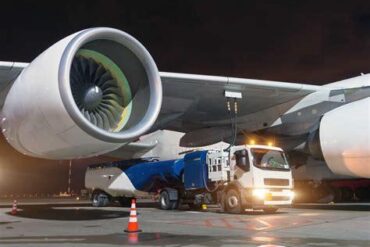
Europe’s jet fuel supply has fallen to its lowest level among major aviation markets, with current reserves covering less than one month of demand. The decline has raised concerns across the aviation industry as geopolitical tensions in the Middle East continue to disrupt energy flows and threaten key import routes that European airlines rely on.
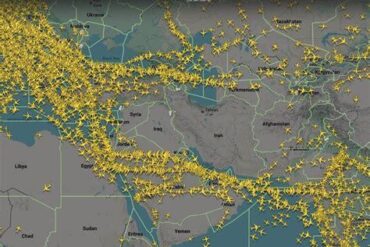
The continent’s dependence on external fuel sources has become increasingly visible during the ongoing 2026 Iran Crisis, with disruptions affecting shipments from major suppliers in the Middle East, the United States, and Asia. Aviation fuel inventories across Europe remain under pressure as airlines prepare for a potentially difficult summer travel season.
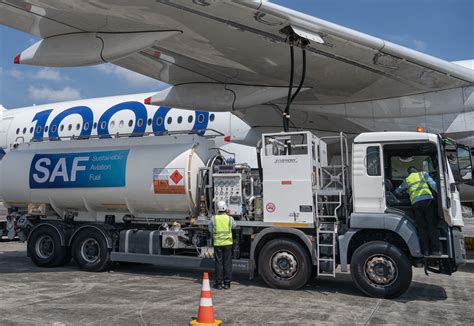
Europe’s limited reserves create a significant vulnerability because airlines require a continuous and reliable supply of fuel to maintain global flight networks. Any prolonged disruption to shipping routes or energy markets could create additional pressure on carriers, potentially leading to higher ticket prices, operational adjustments, or reductions in flight schedules.
Rising Jet Fuel Prices Add Pressure on European Airlines
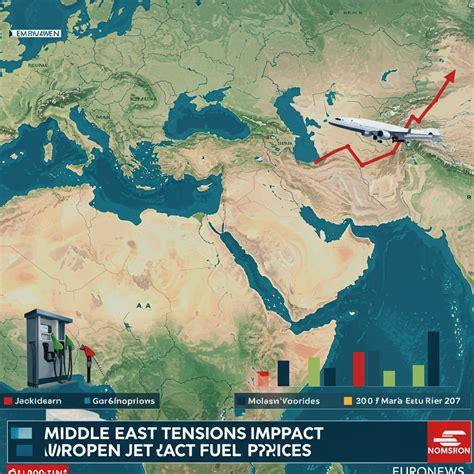
The shortage of available reserves has been accompanied by a sharp increase in fuel costs. According to industry data from the International Air Transport Association (IATA), jet fuel prices have increased by more than 100% year-on-year, while broader crude oil prices have also climbed significantly.
The escalation has placed European airlines under growing financial pressure. Fuel is already one of the largest operating expenses for carriers, and the rapid increase in costs is reducing profit margins at a time when airlines are also facing stricter environmental requirements.
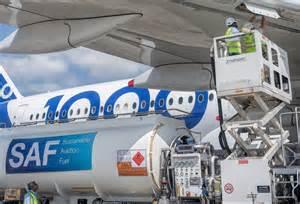
The European Union’s ReFuelEU Aviation regulation, which requires airlines to gradually increase the use of sustainable aviation fuel (SAF), adds another challenge. While the policy aims to reduce aviation emissions, airlines must now balance sustainability targets with significantly higher conventional fuel expenses.
The combination of rising prices, limited reserves, and uncertainty around future supplies has created a difficult operating environment. Some airlines may be forced to introduce additional fuel surcharges, increase fares, or reconsider certain long-haul routes if market conditions worsen.
Britain, France, and Germany Face the Greatest Exposure
Among European nations, Britain, France, and Germany are considered particularly vulnerable due to their reliance on imported energy supplies. These countries depend heavily on fuel shipments connected to Middle Eastern supply routes, including those passing through the strategically important Strait of Hormuz.
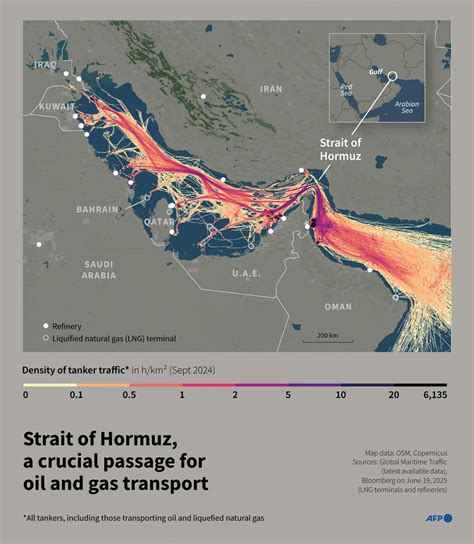
The Strait of Hormuz remains one of the world’s most important energy corridors, carrying a significant portion of global oil and liquefied natural gas shipments. Any disruption in this region can quickly affect international fuel markets and create challenges for aviation operators.
European fuel inventories were estimated at around 38 million barrels at the beginning of June, compared with approximately 99 million barrels held in the United States. This difference highlights Europe’s smaller buffer against sudden supply shocks and leaves the region with fewer than 30 days of available coverage.
European authorities have acknowledged the risks and indicated that coordinated action could be taken if the situation deteriorates. The European Commission has prepared measures to monitor supply conditions and coordinate national reserves if necessary.
Airlines Take Preventive Measures to Protect Fuel Availability
European airlines are already adjusting operations to reduce exposure to fuel shortages. Lufthansa has reportedly canceled thousands of flights during the summer period as part of broader efforts to manage fuel consumption and maintain operational stability.

Carriers are also reviewing route networks, increasing aircraft capacity efficiency, and analyzing passenger demand to ensure flights remain commercially sustainable. These measures are designed to reduce unnecessary fuel usage while protecting essential services.
European Union ministers have announced plans to establish fuel monitoring systems that track aviation fuel stocks and supply movements across member states. The Energy Union Task Force has also been involved in assessing inventory levels and preparing possible responses if shortages become more severe.
Despite the concerns, industry observers note that a complete fuel shortage across European airlines remains unlikely. Many carriers maintain supplier agreements and continue holding regular discussions with fuel providers to secure future deliveries.
The current crisis has nevertheless exposed the importance of energy security within aviation. With global conflicts, supply chain disruptions, and rising fuel costs reshaping the industry, European airlines may face a prolonged period of uncertainty as they navigate one of the most challenging fuel environments in recent years.