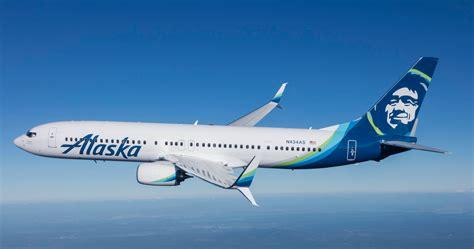
The aviation industry’s race toward decarbonization has entered a new, customer-driven phase, and Alaska Airlines is positioning itself at the forefront with a bold Earth Month initiative. By allowing passengers to boost their elite status through contributions to sustainable aviation fuel (SAF), the carrier is blending environmental responsibility with tangible loyalty rewards—an approach that could reshape how airlines engage travelers in climate action.
This limited-time program, rolled out through Alaska’s dedicated SAF platform, gives members of its Mileage Plan the opportunity to earn elite-qualifying miles without stepping on a plane. Instead of logging additional flights, travelers can now contribute financially to SAF production and see those contributions translate directly into status progression. It is a strategic pivot that reflects both the urgency of sustainability challenges and the evolving expectations of modern flyers.
Running throughout April in alignment with Earth Month, the initiative offers a compelling incentive: participants can earn status points for every dollar contributed, creating a direct link between environmental support and premium travel benefits. The concept is simple but powerful—reward passengers not just for how far they fly, but for how responsibly they choose to travel.
How Alaska Airlines Is Turning SAF Contributions Into Status Rewards
At the heart of the program is a straightforward mechanism designed to maximize participation. Travelers contribute funds via an online SAF platform, and in return, they receive elite-qualifying status credits. These credits count toward Mileage Plan tiers, enabling members to unlock benefits such as priority boarding, upgrades, and bonus miles.
The structure is particularly appealing in an era where travel patterns are shifting. With hybrid work reducing business travel frequency, many frequent flyers find it harder to maintain status through flights alone. Alaska’s initiative offers a flexible alternative pathway, effectively decoupling loyalty progression from physical travel.
Participants can earn three status points per dollar spent during the promotional period, with an annual cap that ensures the program remains both rewarding and controlled. By integrating SAF contributions into its loyalty ecosystem, Alaska Airlines is transforming what was once a passive environmental option into an active, incentivized behavior.
Why Sustainable Aviation Fuel Matters More Than Ever
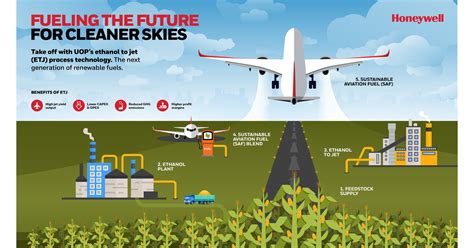
Sustainable aviation fuel is widely regarded as one of the most viable near-term solutions for reducing aviation emissions. Produced from renewable and waste-based feedstocks, SAF can significantly lower lifecycle carbon output compared to traditional jet fuel. Yet despite its promise, adoption remains limited due to high production costs and constrained supply.
This is where initiatives like Alaska’s become critical. By inviting passengers to co-invest in SAF, the airline is helping to bridge the funding gap that has long hindered large-scale production. Every contribution supports the expansion of a fuel source that could dramatically reshape aviation’s environmental footprint.
The challenge is not just technological—it is economic. SAF currently accounts for only a fraction of global aviation fuel consumption, and scaling it requires both industry commitment and consumer participation. Alaska Airlines’ program demonstrates how airlines can mobilize their customer base to accelerate this transition.
A Strategic Shift Toward Customer-Driven Sustainability
Alaska’s initiative signals a broader transformation in how airlines approach sustainability. Traditionally, environmental efforts were confined to operational improvements—fleet modernization, route optimization, and efficiency gains. While these remain essential, they often occur behind the scenes, invisible to passengers.
By contrast, this SAF contribution model brings sustainability directly into the customer experience. Travelers are no longer passive observers; they become active participants in reducing aviation emissions. This shift aligns with a growing demand for transparency and accountability in corporate environmental strategies.
Moreover, the program taps into a powerful psychological driver: reward. By linking contributions to elite status, Alaska Airlines creates a dual-value proposition—customers can feel good about their environmental impact while enjoying premium travel perks. It is a model that transforms sustainability from obligation into opportunity.
The Rise of “Green Loyalty” Across the Aviation Industry
Alaska Airlines is not alone in exploring this intersection of sustainability and loyalty. The concept of “Green Loyalty” is gaining traction across the industry, with major carriers experimenting with similar initiatives. European groups such as Lufthansa and Air France-KLM have introduced programs that reward passengers for choosing lower-emission options or contributing to environmental projects.
What sets Alaska apart is its direct integration of SAF contributions into status earning, rather than offering peripheral incentives. This approach positions sustainability as a core component of the loyalty experience, rather than an optional add-on.
As airlines face mounting pressure to meet net-zero targets by mid-century, these programs are likely to become more sophisticated and widespread. Regulatory frameworks, corporate partnerships, and consumer expectations are all converging to accelerate adoption. In this context, Alaska’s Earth Month initiative serves as both a test case and a blueprint for the future.
Aligning Loyalty Programs With Long-Term Climate Goals
Alaska Airlines has already committed to achieving net-zero emissions by 2040, a timeline that outpaces many of its competitors. The SAF contribution initiative complements broader efforts, including fleet renewal and operational efficiency improvements. By incorporating passengers into this strategy, the airline adds a new dimension to its sustainability roadmap.
The implications extend beyond a single promotional campaign. As SAF production scales and costs gradually decline, similar programs could become permanent features of airline loyalty ecosystems. Future iterations may even integrate contributions directly into the booking process, making participation seamless and intuitive.
This evolution reflects a fundamental shift in how value is defined in aviation. Loyalty is no longer measured solely in miles flown—it is increasingly tied to impact, responsibility, and shared purpose.
A Small Step With Industry-Wide Implications
While the immediate impact of Alaska Airlines’ initiative may be modest in scale, its symbolic significance is substantial. It demonstrates that airlines can align commercial incentives with environmental priorities in ways that resonate with customers. More importantly, it highlights the role passengers can play in shaping the future of air travel.
As the industry navigates the complex path toward decarbonization, programs like this offer a glimpse of what is possible when innovation meets engagement. By rewarding travelers for supporting sustainable aviation fuel, Alaska Airlines is not just reducing emissions—it is redefining the relationship between airlines and their customers.
In a sector often criticized for its environmental footprint, that shift could prove transformative.