The global airline industry is entering one of its most challenging periods since the recovery from the pandemic, and the collapse of Spirit Airlines may only be the beginning. The International Air Transport Association (IATA) has sharply reduced its outlook for airline profitability in 2026, warning that soaring fuel costs, changing passenger preferences, and mounting operational expenses are creating dangerous conditions for low-cost carriers across the world.
According to IATA’s latest projections, global airline profits are now expected to reach approximately $23 billion in 2026, a dramatic decline from the roughly $45 billion recorded in 2025. While passenger demand remains resilient and traffic volumes continue to grow, the industry’s financial gains are increasingly being eroded by escalating fuel expenses and a rapidly changing competitive environment.
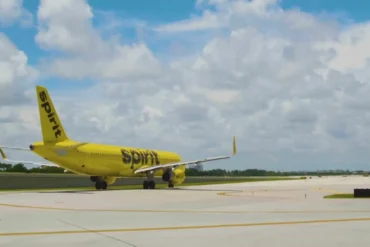
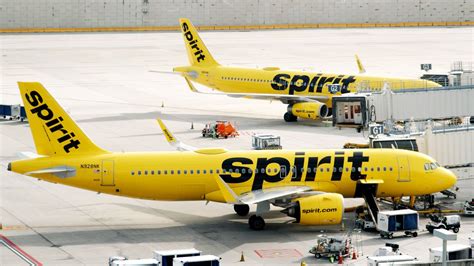
The warning arrives shortly after the downfall of Spirit Airlines, one of the most recognizable ultra-low-cost carriers in the United States. Once celebrated for making air travel accessible to millions through deeply discounted fares, Spirit ultimately struggled to absorb rising costs while maintaining its low-price business model. Its collapse has become a powerful symbol of the pressures facing budget airlines worldwide.
The Growing Financial Pressure on Low-Cost Airlines
For decades, low-cost carriers built their success around a straightforward formula: keep costs low, maximize aircraft utilization, and offer fares significantly below those of traditional airlines. That model helped reshape global aviation and forced larger competitors to lower prices on many routes.
Today, however, the economics supporting that strategy are becoming increasingly fragile.
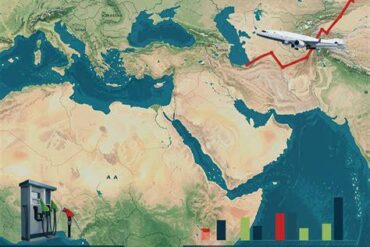
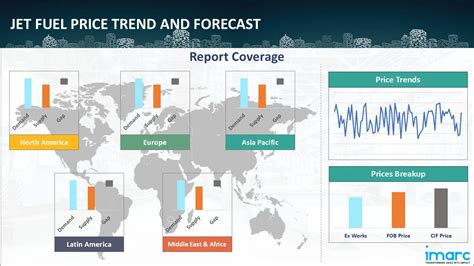
Fuel costs have emerged as the single biggest threat. While airlines have always faced fluctuations in oil markets, the recent surge in jet fuel prices has been unusually severe. Industry estimates indicate that fuel costs have climbed dramatically over the past year, driven by geopolitical instability, supply concerns, and disruptions linked to tensions in the Middle East.
Even as ticket prices have risen, airlines have been unable to pass the full burden of these increases onto travelers. Consumers remain highly sensitive to airfare changes, particularly in the budget travel segment. As a result, carriers are absorbing a substantial portion of the additional fuel expense directly into their operating costs, significantly reducing profitability.
IATA Director General Willie Walsh emphasized that airlines continue to shoulder much of the fuel price shock despite increasing fares, highlighting the difficult balance carriers face between preserving demand and protecting margins.
Why Budget Airlines Are More Vulnerable Than Legacy Carriers
The fuel crisis is affecting the entire aviation sector, but its impact is disproportionately severe for low-cost and ultra-low-cost operators.
Many major international airlines utilize sophisticated fuel-hedging programs that allow them to lock in fuel prices months or even years in advance. These financial instruments provide protection against sudden spikes in energy costs and offer a degree of predictability in budgeting.
For smaller budget airlines, however, fuel hedging is often far less accessible. Purchasing hedging contracts requires significant capital and financial flexibility, resources that many low-cost carriers simply do not possess.
Without these protections, budget airlines remain directly exposed to volatile fuel markets. Every increase in oil prices translates almost immediately into higher operating expenses. Since their business models depend on maintaining extremely competitive fares, they have limited ability to recover those costs through ticket price increases.
Legacy carriers enjoy a significant advantage in this environment. Their revenue streams extend beyond economy-class passengers and include premium cabins, corporate travel contracts, loyalty programs, cargo operations, and ancillary services. These diversified income sources provide greater resilience during periods of financial turbulence.
Changing Passenger Preferences Are Reshaping Demand
The challenges facing budget airlines extend well beyond fuel.
Since international travel restrictions ended, passenger behavior has undergone a noticeable transformation. Many travelers who postponed vacations during the pandemic are now prioritizing longer trips, international journeys, and enhanced onboard experiences. This trend has fueled demand for premium economy, business class, and long-haul services.
As travelers increasingly seek comfort and flexibility, the customer base traditionally targeted by low-cost airlines is shrinking. Budget carriers remain attractive to price-conscious passengers, but they are no longer benefiting from the same broad market appeal that drove growth throughout the previous decade.
At the same time, full-service airlines have adapted aggressively. Most major carriers now offer basic economy products that closely resemble the low-cost model. These stripped-down fare options allow traditional airlines to compete directly on price while still retaining access to higher-yield premium travelers.
This evolution has narrowed the distinction between budget and legacy airlines, making competition more intense than ever.
Labor Costs Continue to Climb
Another major factor weighing on airline profitability is labor.
The global aviation industry has struggled with pilot shortages, cabin crew recruitment challenges, and maintenance staffing constraints since the pandemic recovery began. To attract and retain employees, airlines have been forced to increase wages significantly.
While these salary increases have benefited aviation workers, they have also raised operating expenses across the industry. Budget carriers have been particularly affected because labor costs now consume a larger share of their total expenditures.
The result is a shrinking price advantage. As operating costs rise, low-cost carriers find it increasingly difficult to maintain the large fare gaps that once differentiated them from traditional airlines.
For consumers, this means that the difference between a budget ticket and a legacy airline fare is often much smaller than it was several years ago.
Airport Fees Add Another Layer of Pressure
Airport operators are also contributing to the financial strain.
Many airports worldwide have increased landing charges, terminal fees, and infrastructure costs as they seek to recover investments and improve facilities. These higher charges are particularly challenging for airlines whose profitability depends on operating large numbers of low-fare flights.
One notable example involves Ryanair’s decision to reduce or withdraw certain operations after significant fee increases at airports in Europe. Such developments demonstrate how airport pricing can directly influence route networks and airline viability.
As airports continue raising charges, low-cost carriers may be forced to cut frequencies, eliminate marginal routes, or abandon certain markets altogether.
The Spirit Airlines Collapse May Signal a Wider Industry Trend
The demise of Spirit Airlines has become a cautionary tale for the broader aviation sector.
Despite restructuring efforts and attempts to stabilize its finances, the airline was ultimately unable to overcome the combination of elevated fuel costs, intense competition, and weakening margins. Industry observers increasingly view Spirit’s failure not as an isolated event but as a warning of systemic vulnerabilities within the low-cost airline model.
Concerns are now growing about other carriers facing similar financial pressures. Several budget airlines continue to report losses or weakened earnings, particularly those with limited fuel hedging and high exposure to leisure travel markets.
Regulators in the United States have already expressed concern about preserving competition following Spirit’s collapse. Authorities recognize that low-cost carriers play a crucial role in keeping fares affordable and preventing excessive market concentration among major airlines.
Fewer Affordable Travel Options Ahead
If IATA’s projections prove accurate, travelers could soon face a very different aviation landscape. Reduced profitability may force airlines to scale back expansion plans, discontinue less profitable routes, and focus on markets capable of generating stronger returns.
For passengers, this could translate into fewer budget travel choices, reduced competition, and gradually higher ticket prices. While demand for air travel remains robust, the economics of operating low-cost airlines are becoming increasingly difficult to sustain.
The industry’s outlook suggests that Spirit Airlines may not be the last casualty of the current environment. With fuel prices remaining elevated, labor expenses rising, and competitive pressures intensifying, many budget carriers are entering a period where survival may depend not only on attracting passengers but also on successfully navigating one of the most challenging cost environments modern aviation has experienced.