Africa’s aviation market is preparing for a transformative leap, as industry leaders Boeing and Airbus project that the continent will emerge as the primary driver of global air traffic growth over the next 20 years. With a vast, untapped demographic and economic potential, the continent is uniquely positioned to reshape global aviation trends, offering an exciting frontier for investment, connectivity, and innovation.
Despite comprising 18% of the world’s population, Africa currently accounts for only 2% of global air traffic. This stark disparity reveals the immense opportunity for air transport development across the continent. The International Air Transport Association (IATA) supports these predictions, highlighting that Africa’s current contribution to international trade and aviation is disproportionately low, and ripe for expansion. With urbanization accelerating and middle-class populations growing, the conditions for a dramatic aviation surge are aligning at a rapid pace.
Africa’s Aviation Market: Underutilized Yet Full of Promise
Africa’s low baseline in air traffic belies a strong undercurrent of progress. One of the key indicators is the contribution of travel and tourism to Africa’s GDP, which stood at $191 billion in 2023. With projections suggesting an annual 4.4% growth rate through 2034, the aviation sector is expected to serve as both a catalyst and a consequence of broader economic dynamism.
While international travel into Africa is growing, domestic air travel is also accelerating. Year-on-year, domestic tourism spending has seen a 6.8% increase, while international visitors are expected to spend $71.5 billion across Africa in 2025, a significant jump reflecting renewed traveler confidence and expanded route networks. Importantly, leisure travel continues to dominate, accounting for 70.1% of all tourism-related expenditure, suggesting a large base of travelers eager for experiences that require fast, safe, and reliable air transport.
The Economic Engine: Aviation’s Contribution to Jobs and GDP
The travel and tourism sector is poised to become one of Africa’s largest employment generators. The World Travel and Tourism Council (WTTC) estimates that by 2034, nearly 39 million jobs—equivalent to 6% of Africa’s total employment—will be supported by this sector. The aviation industry’s multiplier effect means jobs will be created not only in airlines but across a broader ecosystem: airports, catering, logistics, aircraft maintenance, and tourism-related services.
This economic upswing is further bolstered by infrastructure investments. Modernization of airport facilities, air traffic control upgrades, and the procurement of fuel-efficient aircraft are all underway in several African nations, setting the stage for a sustainable and resilient aviation environment.
Boeing and Airbus: Betting Big on Africa’s Future
Both Boeing and Airbus have taken strategic steps to integrate Africa into their long-term forecasts. In their market outlooks, the two aerospace giants project that Africa will be the only region to sustain significant aviation growth until 2045. Their models predict strong demand for single-aisle aircraft, particularly to support regional and domestic travel, alongside growing interest in widebody jets to link Africa more directly with Asia, the Middle East, and Europe.
Airbus has emphasized Africa’s geographic advantage—situated between major global travel corridors—and its young population, which is increasingly mobile and digitally connected. Boeing, for its part, anticipates a doubling of Africa’s commercial aircraft fleet over the next two decades, driven by liberalized skies, economic growth, and rising disposable incomes.
Qatar Airways’ Strategic Playbook in Africa
Among the global carriers responding to this opportunity is Qatar Airways, which has aggressively expanded its African footprint. Currently operating over 44,000 seats per week across the continent, Qatar Airways has targeted key African gateways such as Nairobi, Johannesburg, Lagos, and Accra with increased frequencies and improved onboard amenities.
According to Thierry Antinori, Chief Commercial Officer of Qatar Airways, the airline is leveraging innovations like Starlink-powered in-flight Wi-Fi to offer seamless connectivity even on long-haul African routes. This technological edge aligns with the needs of a growing business class and tech-savvy population, making Africa a natural extension of the airline’s global strategy.
Qatar Airways is also deepening its roots by investing in Africa’s aviation ecosystem. Its 25% stake in South Africa’s Airlink signals not just a commitment to market access but also to strategic influence in regional aviation policy and operations. Moreover, the airline employs around 8,500 Africans, either at its Doha hub or at African outstations, and continues to actively recruit talent across engineering, cargo, customer service, and flight operations.
The Power of Policy: Open Skies and Intra-African Integration
Perhaps the single most impactful enabler of this growth is the implementation of the Open Skies policy under the Single African Air Transport Market (SAATM) framework. This initiative aims to eliminate regulatory barriers, reduce protectionism, and allow African airlines to operate freely across borders. With over 30 countries already committed, SAATM is designed to mirror the success of the European Union’s liberalized aviation market, which triggered massive traffic and capacity growth in Europe.
As more African nations ratify the agreement, passengers will enjoy greater connectivity, lower fares, and more choices. Airlines, in turn, will benefit from improved route economics and scheduling flexibility, while secondary airports and emerging cities will gain access to regional hubs. This type of liberalization also encourages foreign investment, as global carriers and aircraft lessors gain confidence in the continent’s regulatory consistency.

Infrastructure, Innovation, and Sustainability
Africa’s airports are undergoing a renaissance. New terminals, runways, and cargo facilities are under construction in cities like Addis Ababa, Kigali, Dakar, and Lagos. Investments are being channeled into next-generation air navigation services, which will reduce delays, improve safety, and optimize fuel consumption.
Aircraft manufacturers and airlines alike are increasingly focused on sustainability, another area where Africa can leapfrog traditional development paths. Airbus and Boeing are working with local governments and institutions to explore sustainable aviation fuel (SAF) projects. Meanwhile, startups in Nigeria, Kenya, and South Africa are innovating in drone logistics, electric air mobility, and digital ticketing—creating homegrown tech ecosystems to support a modern air transport system.
Regional Carriers and Continental Cooperation
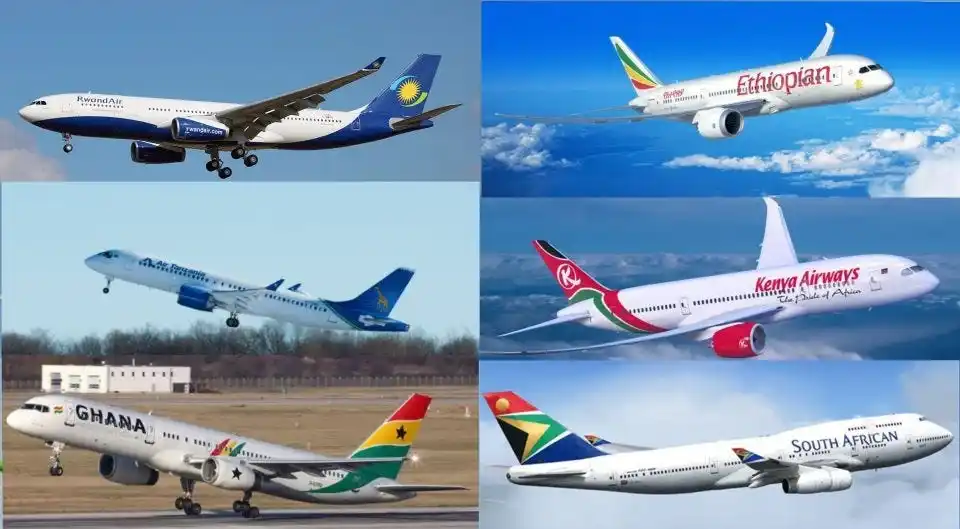
Africa’s growth will not solely be driven by foreign carriers. Regional airlines like Ethiopian Airlines, Kenya Airways, Air Côte d’Ivoire, and RwandAir are also expanding aggressively. These homegrown carriers are increasing intercontinental and intra-African routes, forging code-share agreements, and forming alliances that strengthen continental aviation resilience.
Ethiopian Airlines, in particular, has emerged as a pan-African powerhouse, building strategic partnerships and setting up subsidiaries across the continent. Its multi-hub strategy and investment in aviation academies, maintenance centers, and cargo facilities demonstrate how African airlines can own the value chain rather than merely participate in it.
Africa’s Ascent: A Two-Decade Horizon
The next 20 years will define Africa’s aviation destiny. Boeing and Airbus are united in their assessment that Africa will not just grow—it will lead. Whether through aircraft sales, airline expansion, or infrastructure modernization, the continent’s trajectory is set.
Government support, public-private partnerships, and regional cooperation will remain crucial. With clear-eyed strategies and bold investments, Africa can transform its skies into engines of progress, prosperity, and global influence.
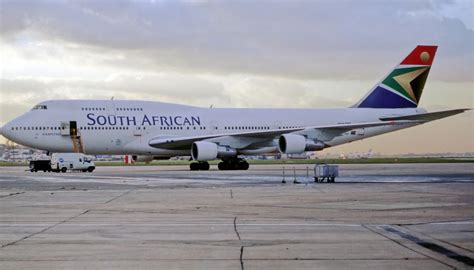
As Boeing puts it, “The world cannot afford to overlook Africa.” And with the momentum building from every corner—policy, investment, workforce, and infrastructure—it’s becoming clear: Africa is not just the future of aviation. It is its frontier.