The hotel sector in Africa is experiencing an unprecedented surge in growth, largely driven by the ambitious expansion plans of major U.S. hotel chains such as Hilton and Marriott. This remarkable development spans across several key African markets, including Morocco, South Africa, Namibia, Cape Verde, Ivory Coast, Mauritania, and Kenya. The increasing focus on these regions underscores a robust confidence in Africa’s tourism potential, which is seeing a substantial uptick in international arrivals alongside significant improvements in infrastructure.
As multinational corporations recognize the burgeoning opportunities within Africa’s dynamic tourism sector, both Hilton and Marriott are ramping up their efforts to establish a formidable presence on the continent. Hilton has made headlines with its declaration to more than triple its hotel portfolio in Africa, aiming for over 160 properties across the continent. This ambitious goal highlights Hilton’s strategic vision to cater to the growing demand from travelers seeking accommodations that range from luxury to midscale options.
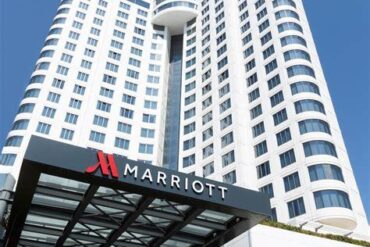
In parallel, Marriott International is equally committed to capitalizing on this upward trend, announcing plans to open fifty new hotels by 2027. Notably, this expansion will see Marriott entering five new countries, including Cape Verde, Ivory Coast, the Democratic Republic of Congo, Madagascar, and Mauritania—regions where Marriott currently lacks a footprint. This strategic maneuver not only broadens Marriott’s reach but also positions the brand to tap into diverse emerging markets characterized by improving economic conditions and rising disposable incomes.

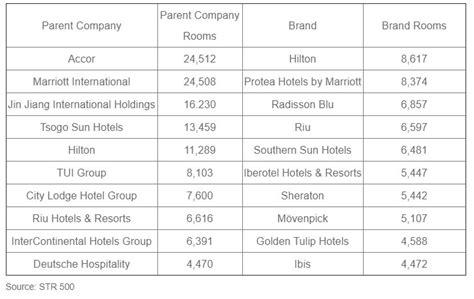
Presently, Marriott operates nearly 150 properties in Africa, providing around 26,000 guest rooms spread across twenty countries. The extensive portfolio encompasses twenty-two distinct brands, each tailored to meet various market segments and traveler preferences. Such diversification is pivotal as it aligns with the varied demands of both leisure and business travelers in an increasingly competitive landscape.
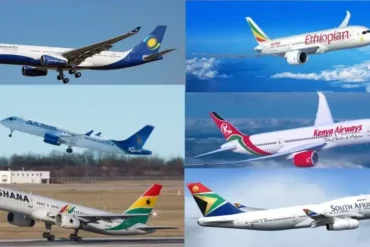
The timing of these expansions coincides perfectly with enhancements in air connectivity throughout Africa. Major airlines, including Emirates, have significantly bolstered their services to the continent, offering 161 weekly flights to various destinations. Emirates recently introduced daily flights to crucial cities such as Entebbe in Uganda and Addis Ababa in Ethiopia, enhancing regional accessibility for both commerce and tourism.
Furthermore, U.S.-based airlines are also expanding their routes into Africa. For example, United Airlines recently inaugurated a direct flight between Washington, D.C., and Dakar, Senegal, which commenced in May. Similarly, Delta Airlines is set to launch a seasonal daily flight to Accra, Ghana, starting this December. Such improvements in transportation infrastructure are critical to bolstering the tourism sector, facilitating smoother travel experiences for international visitors.
According to the United Nations World Tourism Organization (UNWTO), Africa has witnessed a nine percent increase in international arrivals during the first quarter of 2025 compared to the same period last year. This figure is particularly noteworthy as it represents a sixteen percent increase over pre-pandemic levels recorded in the first quarter of 2019. Such growth not only reflects a recovery but also indicates a sustained momentum that could redefine the future of tourism in Africa.
The impact of tourism extends far beyond visitor numbers; it plays a crucial role in economic development across the continent. Data from the World Bank and national statistics reveal that tourism contributes between three and seven percent of the gross domestic product (GDP) in countries like Kenya, Morocco, and South Africa. These nations have established themselves as premier tourism destinations, attracting millions of visitors each year thanks to their rich cultural heritage, historical landmarks, and breathtaking natural landscapes.
In regions where tourism serves as an even more significant economic driver, the contributions are remarkably pronounced. For instance, Namibia, famed for its wildlife safaris and stunning deserts, generates as much as fifteen percent of its GDP from tourism-related activities. This dependence on tourism underscores the sector’s pivotal role in job creation, foreign exchange earnings, and overall economic stability.
The strategic investments by Hilton and Marriott come at a time when African nations are actively pursuing economic diversification and seeking to bolster sectors with high growth potential. The hospitality industry is well-positioned to support this objective, offering not only accommodation but also fostering opportunities for local businesses, community development, and cultural exchange.
Hilton’s ambitious strategy to significantly increase its presence in Africa reflects a strong belief in the continent’s growing tourism potential. By more than tripling its hotel portfolio, Hilton aims to capture a larger share of the market, responding to the increasing demand from international tourists, business travelers, and regional visitors. On the other hand, Marriott’s expansion strategy signifies optimism about Africa’s future as a global travel destination. By entering new countries, Marriott can tap into emerging markets where infrastructure improvements and rising incomes are fueling travel growth.
The enhancements in air travel connectivity, facilitated by airlines such as Emirates, United, and Delta, are vital to supporting the hospitality sector’s growth ambitions. Improved flight options make Africa more accessible to travelers worldwide, encouraging tourism and facilitating business exchanges. As the hospitality sector thrives, it has the potential to uplift local communities through job creation and infrastructural development.
Looking ahead, the outlook for Africa’s tourism and hospitality industry remains promising. With ongoing investments in infrastructure, increased air connectivity, and the entrance of major hotel brands, the continent is poised to experience sustained growth in visitor numbers and economic benefits. The efforts by Hilton and Marriott to expand across key markets such as Morocco, South Africa, Namibia, and Kenya are clear indicators of their confidence in Africa’s burgeoning travel demand and economic potential. For countries across Africa, tourism is not merely a source of revenue; it serves as a catalyst for social and economic transformation. As global travel continues to rebound, the continent’s remarkable natural beauty, rich cultural heritage, and vibrant entrepreneurial spirit are increasingly capturing the attention of international travelers. The strategic moves by Hilton and Marriott signal that Africa’s tourism sector is entering a new phase of rapid development and opportunity, setting the stage for a prosperous future.