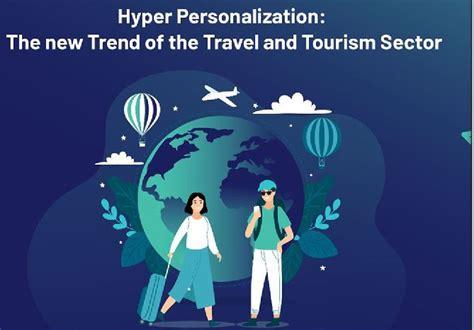
In recent years, the global travel landscape has undergone a transformative shift towards hyper-personalisation, particularly in the realm of luxury tourism. Nations such as the UAE, Saudi Arabia, the USA, the UK, and Japan are at the forefront of this movement, redefining how customized guest experiences are crafted and delivered. As travelers increasingly seek unique, tailored adventures that reflect their individual tastes and preferences, the hospitality industry has responded with innovative solutions that blend cutting-edge technology and human touch.
The concept of hyper-personalisation transcends traditional notions of luxury, moving beyond mere comfort to offer curated experiences that resonate on a personal level. According to the Arabian Travel Market (ATM) 2025 Travel Trends Report, a staggering 85% of hoteliers view personalisation as a core commercial tactic, emphasizing its importance in enhancing customer satisfaction and loyalty. This growing demand for bespoke travel experiences is prompting destinations to adopt more personalized approaches, utilizing advanced technologies like artificial intelligence (AI) and machine learning to optimize guest interactions and create memorable journeys.
As the travel sector evolves, hyper-personalisation has emerged as a key differentiator. It is no longer an exclusive luxury reserved for the affluent; it has become an expectation among travelers from diverse backgrounds. Countries leading this trend are not only enhancing their offerings but are also reshaping their marketing strategies to appeal to a more discerning clientele.

The Role of Technology in Hyper-Personalisation
Technology plays a crucial role in delivering hyper-personalised experiences. AI-driven tools enable hospitality providers to analyze data and predict guest preferences, allowing them to tailor services to individual needs effectively. For instance, resorts can utilize detailed pre-arrival questionnaires and AI-powered recommendations to ensure that every aspect of a guest’s stay aligns with their desires. This level of customization fosters a deep sense of connection between the traveler and their destination, creating lasting memories that go beyond standard amenities.
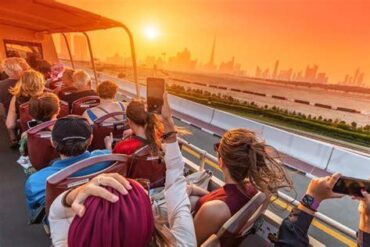
In the UAE, luxury resorts such as the Ritz-Carlton Reserve at Nujuma on the Red Sea exemplify this shift. These establishments offer not just lavish accommodations but also immersive experiences that celebrate local culture and heritage. Guests are treated to personalized itineraries that include everything from private desert safaris to bespoke culinary adventures, ensuring that each visitor leaves with a profound appreciation for their surroundings.
Cultural Nuances in Luxury Tourism
While technology is pivotal, the human element remains indispensable in luxury tourism. As noted by Nicolas Hauvespre, VP of luxury brands at MEA Marriott, while technology can enhance service delivery, it should be complemented by genuine human interaction. Today’s luxury travelers desire more than just a five-star stay; they seek to be understood as individuals. This blend of advanced technology and emotional connection creates a unique travel experience that resonates deeply with guests.
The rise of hyper-personalisation is not limited to the UAE; Saudi Arabia, the USA, the UK, and Japan are also making significant strides in this arena. In Saudi Arabia, luxury tourism initiatives are gaining momentum, with projects like curated safari lodges and high-end resorts designed to provide culturally immersive experiences. These offerings reflect the country’s commitment to meeting the needs of both international visitors and a growing local market.
In the USA, the diversity of landscapes and cultural experiences allows for a rich tapestry of hyper-personalised offerings. From tailored wine tours in California’s Napa Valley to exclusive museum tours in New York, the American luxury travel market is evolving to cater to the desires of sophisticated travelers seeking unique experiences.
The UK has also embraced this trend, with destinations like London offering bespoke services ranging from private chauffeur experiences to personalized city tours. As the demand for tailored travel options continues to rise, UK hospitality providers are stepping up to deliver experiences that meet the expectations of today’s discerning tourists.
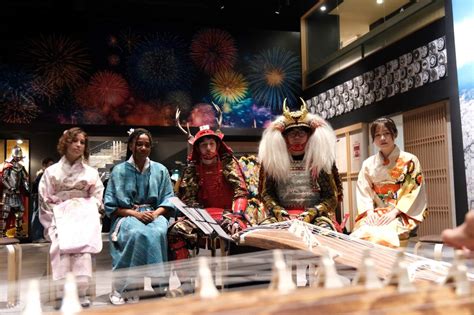
Meanwhile, Japan is renowned for its exceptional level of service and attention to detail. In cities like Kyoto, travelers can engage personal concierges who curate custom cultural tours, arrange tea ceremonies, and facilitate cooking classes tailored to individual interests. This meticulous approach to service is emblematic of Japan’s dedication to delivering unforgettable travel experiences.
The Future of Hyper-Personalisation in Tourism
Looking ahead, the demand for hyper-personalisation in tourism is likely to grow even stronger. As travelers continue to seek deeper connections with their destinations, the ability to offer customized experiences will set leading nations apart in the competitive global tourism landscape. Future market insights predict that the hyper-personalisation trend could reach a value of $620.71 million by 2032, highlighting its significance in shaping the future of luxury travel.
The integration of emerging technologies such as big data analytics, machine learning, and AI will further enhance the personalization of travel experiences. Hospitality providers will collaborate with airlines and tourism boards to ensure seamless, tailored experiences that cater to the unique desires of each traveler. By addressing both expressed and latent wishes, countries like the UAE, Saudi Arabia, the USA, the UK, and Japan are positioning themselves as leaders in the evolution of global tourism.
Final Thoughts: The Era of Personalised Travel
The shift from traditional personalization to hyper-personalisation signifies a fundamental change in how the travel industry operates. It is no longer a mere luxury but a critical component of the contemporary tourist experience. As travelers increasingly seek meaningful relationships and authentic experiences, destinations that adapt to these evolving preferences will emerge as frontrunners in the global tourism marketplace. The future of luxury travel lies in the ability to craft unforgettable experiences that resonate with the heart and soul of each individual traveler.