The business travel sector in the Middle East and North Africa (MENA) region is on a steep growth trajectory, surpassing the global average. In 2024, the region’s business travel market reached an impressive $18.1 billion, and forecasts indicate a solid 6.1 percent year-on-year growth into 2025. This signals the MENA region’s increasing importance as a hub for global business travel, driven by robust economic activity, improved infrastructure, and digital innovations in travel services. As travel demand rebounds, especially following Ramadan, April and May stand out as the busiest months in the first half of 2025. The return of business travel after the holy month further highlighted the region’s recovery and resilience, marking the start of an exciting period for MENA’s corporate tourism.
This growth trajectory is expected to continue, with projections indicating that MENA’s business travel market will soar to $270.8 billion by 2030, fueled by both domestic demand and international business ties. Key factors fueling this surge include the region’s growing connectivity, its expanding role in global trade, and the influx of international businesses establishing or expanding their presence in MENA countries.
Saudi Arabia Leads the Pack in MENA Business Travel
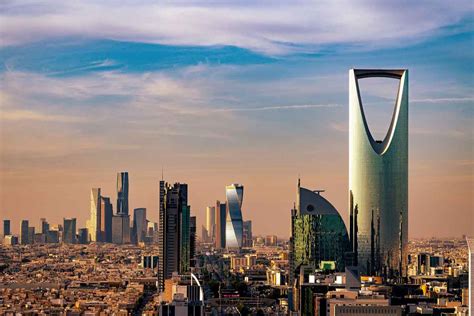
Saudi Arabia has emerged as the most-traveled business destination in the region, accounting for a significant 20 percent of all MENA business travel. According to Tumodo’s report, Saudi Arabia’s continued economic growth, particularly in sectors like oil, finance, and technology, makes it a key destination for business travelers. Following Saudi Arabia, the United Kingdom, France, and India are the next most popular business destinations, each capturing about 10 percent of MENA’s outbound business travel. Oman, with its expanding role in regional trade, also accounted for 5 percent of business travel within the MENA region. This data reflects broader global trends, with stronger economic ties between MENA countries and major European and Asian markets. The growing interest in Saudi Arabia and neighboring countries also reflects the region’s strategic importance in the global economy. With the rise of new industries and diversification efforts across the Gulf states, business travel within MENA and to other international hubs is set to continue its upward trajectory.
Emirates, Qatar Airways, and Turkish Airlines Lead MENA Business Travel Preferences
When it comes to airline choices for business travelers, MENA-based carriers continue to dominate. Emirates, Qatar Airways, and Turkish Airlines top the charts for the most frequently chosen airlines by corporate travelers in the region. Their global connectivity, premium service offerings, and strategic hubs in Dubai, Doha, and Istanbul have positioned them as preferred options for both business and leisure travelers. Dubai, in particular, remains a central hub in the MENA region, with frequent flights to key business capitals like Riyadh, London, and Guangzhou. Emirates, as the region’s flagship airline, continues to lead the way, providing seamless connections to both emerging and established business markets.
In addition to the growing use of traditional air travel services, there has been a notable increase in demand for supplementary travel services. These include visa support, which saw a 15 percent rise, ground transfers (up 11 percent), and corporate event bookings (growing by 7.25 percent). This indicates a shift towards more comprehensive travel management services as businesses increasingly demand end-to-end solutions to ensure smooth travel experiences for their employees.
The Rise of Bleisure Travel and Demand for Premium Services
An interesting trend emerging within the business travel sector is the rise of “bleisure” travel, where business travelers are incorporating leisure time into their trips. In the first half of 2025, the average business trip duration remained around two days, but a growing number of travelers are seeking to extend their trips for leisure purposes. This shift is creating new opportunities for both travel service providers and destinations, as business travelers look for ways to make the most of their time abroad. Premium accommodation remains in high demand, with four- and five-star hotels accounting for more than 75 percent of business travel bookings. The trend for high-end travel services, combined with the growing popularity of bleisure, is expected to continue, with business travelers increasingly seeking experiences that blend productivity with relaxation. This shift is also contributing to the steady increase in business travel spending. In 2025, the global business travel market is expected to surpass $1 trillion, with MENA emerging as one of the fastest-growing regions, expected to experience a growth rate of 6.19 percent annually.
Looking Ahead: MENA’s Bright Business Travel Future
The future of business travel in the MENA region looks incredibly promising. With continued economic development, the digital transformation of the travel sector, and increased international business collaboration, the region is set to capture a larger share of the global business travel market. By 2030, the MENA market is poised to hit $270.8 billion, making it one of the leading global players in corporate tourism. Governments in the region, particularly in countries like Saudi Arabia and the UAE, are investing heavily in infrastructure and digital solutions, enhancing the travel experience for both business and leisure travelers. The focus on connectivity, ease of access, and a wide array of travel services positions MENA as an essential destination for international business.
As business travel continues to rebound globally, MENA will remain at the forefront of this growth, attracting business travelers with its dynamic economy, strategic location, and world-class facilities. With the rise of bleisure, enhanced travel services, and an increasingly sophisticated travel market, the region is not only meeting current demand but also shaping the future of global business tourism.
Conclusion: MENA’s Business Travel Transformation
As MENA continues its journey towards becoming a global leader in business travel, the growing demand for services and destinations like Saudi Arabia and Dubai reflects the broader transformation underway. By 2030, the region’s business travel market will play a pivotal role in shaping global corporate tourism, driven by increasing investments, infrastructure development, and a more digitally connected world. For travelers and businesses alike, MENA is fast becoming the place where both work and leisure thrive together.