The modern air battlefield is a layered chessboard of radars, missiles, electronic sensors, and fast-moving aircraft. In this environment, the first side to blind the other often wins the game before the decisive strike even begins. During Operation Epic Fury, launched by U.S. Central Command in late February 2026, that opening move has been executed by one of the most specialized aircraft roles in modern warfare: the F-16CJ “Wild Weasel”, a fighter designed specifically to hunt and destroy enemy air-defense systems.
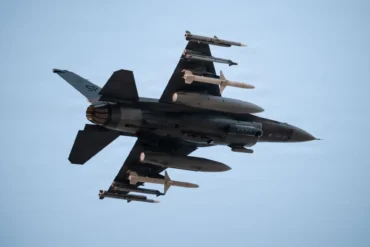
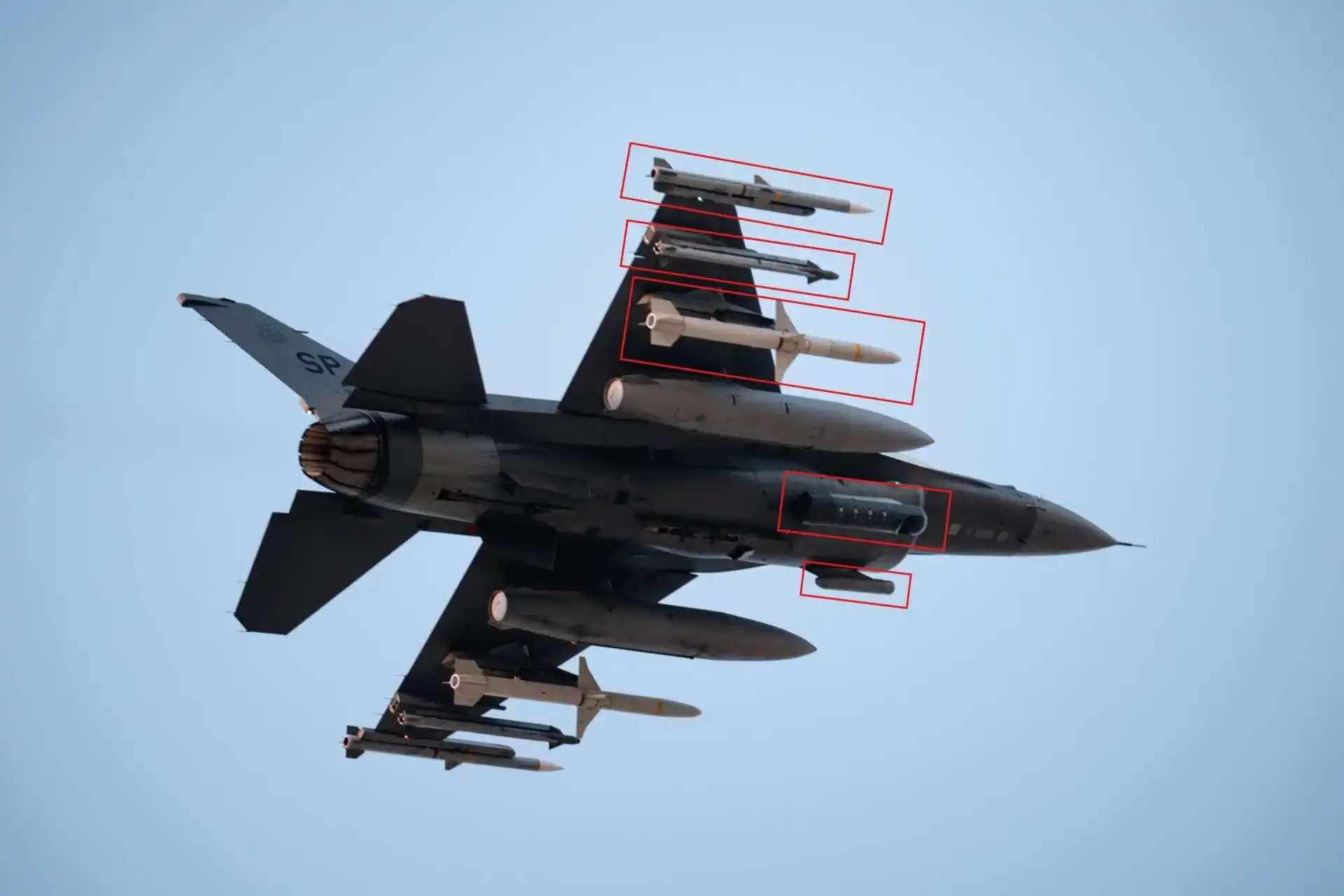
As the United States and Israel intensify a coordinated air campaign against Iran’s missile, drone, and air-defense infrastructure, newly released imagery from U.S. Central Command (CENTCOM) reveals the critical role played by these aircraft in clearing the skies. The photographs show combat-ready F-16s configured for Suppression of Enemy Air Defenses (SEAD) missions, equipped with radar-hunting missiles, precision targeting pods, and air-to-air weapons. Their mission is simple in concept but extraordinarily complex in execution: neutralize Iran’s integrated air-defense system and open safe corridors for follow-on strike aircraft.
The Strategic Context Behind Operation Epic Fury
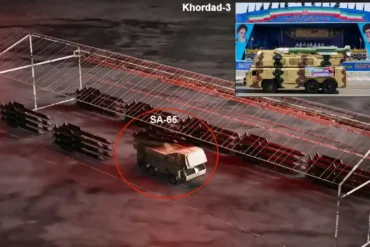
Operation Epic Fury began on February 28, 2026, marking the start of a large-scale U.S.-led air campaign targeting Iran’s expanding missile and drone capabilities. For years, Tehran has invested heavily in anti-access and area-denial (A2/AD) systems designed to prevent Western forces from operating freely in the region. These systems include long-range surface-to-air missiles, layered radar networks, and mobile missile launchers capable of threatening both regional bases and international shipping routes.
The campaign represents a shift in posture from strategic deterrence to sustained offensive operations. Rather than merely signaling strength, the United States and its allies are now actively dismantling the infrastructure that allows Iran to project military power through missiles, drones, and proxy forces.
Within that strategy, gaining air superiority—the ability to operate aircraft freely without significant enemy interference—has become the central operational objective. Without neutralizing Iranian air defenses, large bomber formations, strike fighters, and surveillance aircraft would face unacceptable risk.
This is precisely where the Wild Weasel mission enters the equation.
The Legacy of the Wild Weasel Mission
The term “Wild Weasel” carries deep historical roots within the U.S. Air Force. The concept originated during the Vietnam War, when American aircraft encountered sophisticated Soviet-supplied surface-to-air missile systems for the first time. To counter these threats, specialized crews were tasked with deliberately provoking enemy radars, identifying their locations, and destroying them.
In effect, Wild Weasel pilots became “radar hunters.”
Over the decades, the role evolved alongside technological advances. Early Wild Weasel aircraft required crews to manually interpret radar signals and triangulate missile sites under extreme pressure. Modern systems now integrate advanced sensors, digital mapping, and automated targeting software that dramatically shorten the time between detecting an enemy radar and destroying it.
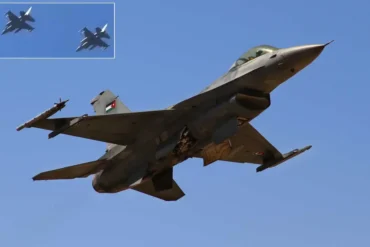
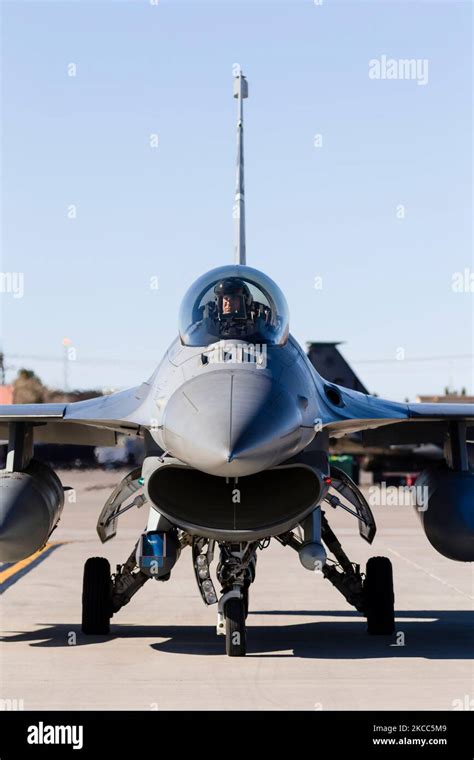
Today, the F-16CJ variant of the Fighting Falcon serves as one of the primary Wild Weasel platforms in the U.S. Air Force inventory. Although originally designed as a lightweight multirole fighter, the F-16 has proven exceptionally adaptable, capable of executing both SEAD (Suppression of Enemy Air Defenses) and DEAD (Destruction of Enemy Air Defenses) missions.
Combat Loadout: How the F-16CJ Hunts Enemy Radars
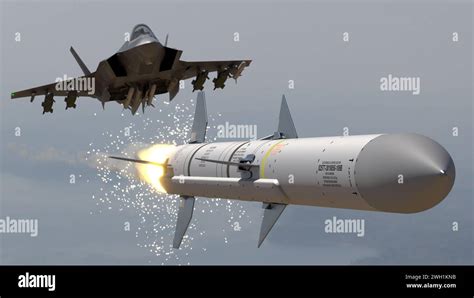
Images released by CENTCOM show F-16CJ aircraft configured in a classic SEAD loadout designed to penetrate and dismantle Iran’s layered air-defense network. The aircraft are equipped with AGM-88 HARM (High-Speed Anti-Radiation Missile) weapons, one of the most effective tools ever developed for destroying radar systems.
The HARM missile is engineered to detect electromagnetic emissions produced by enemy radars. When a radar begins scanning for aircraft or guiding missiles, it essentially broadcasts its own location. The HARM weapon locks onto that signal and accelerates toward it at high speed.
The result is a brutal tactical dilemma for air-defense crews:
- Keep the radar active and risk destruction.
- Shut it down and lose the ability to track incoming aircraft.
Either outcome benefits attacking forces.
These missiles are paired with the AN/ASQ-213 HARM Targeting System (HTS) pod mounted on the aircraft’s intake station. The HTS pod functions as a sophisticated electronic intelligence sensor, capable of detecting and classifying radar signals across the battlefield. Once identified, the system feeds targeting data directly into the HARM missile, dramatically reducing the time required to engage the threat.
This sensor-to-shooter chain forms part of a modern military targeting cycle known as F2T2EA—Find, Fix, Track, Target, Engage, Assess. By compressing that process into seconds rather than minutes, Wild Weasel aircraft can strike enemy air defenses almost immediately after detection.
Air-to-Air Power: Defending the Strike Package
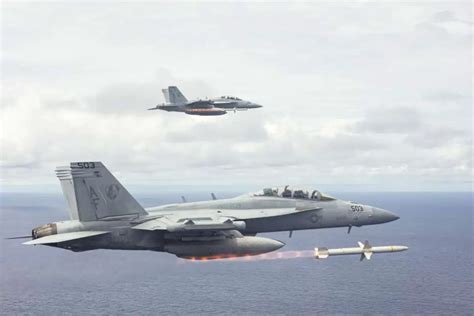
While the primary role of the F-16 Wild Weasel is to neutralize air defenses, the aircraft are also equipped for air combat. The images released by CENTCOM reveal fighters carrying AIM-120 AMRAAM and AIM-9X Sidewinder missiles.
The AIM-120 AMRAAM provides beyond-visual-range capability, allowing pilots to engage hostile aircraft or cruise missiles at distances of more than 100 kilometers. Guided by radar, the missile can pursue targets autonomously once launched, enabling the firing aircraft to disengage or focus on other threats.
Meanwhile, the AIM-9X Sidewinder represents one of the most advanced short-range air-to-air missiles ever fielded. Its high-off-boresight capability allows pilots to lock onto targets far outside the nose of the aircraft using helmet-mounted cueing systems. In close-range engagements, the missile dramatically increases the lethality of the fighter.
Together, these weapons allow Wild Weasel aircraft to defend themselves and the broader strike formation, intercepting Iranian fighters, drones, or cruise missiles that might attempt to disrupt the operation.
Precision Targeting and Intelligence Gathering
Another critical component visible on the F-16CJ aircraft is the AN/AAQ-28 Litening targeting pod. This advanced electro-optical and infrared system transforms the aircraft into a precision strike and reconnaissance platform.
The Litening pod allows pilots to:
- Detect mobile missile launchers
- Identify drone launch sites
- Track vehicles and command nodes
- Generate highly accurate targeting coordinates
- Conduct laser designation for precision-guided munitions
These capabilities are particularly important when facing mobile threats, such as Iran’s transporter-erector-launcher (TEL) vehicles used to deploy ballistic missiles. Such systems can relocate quickly after firing, making them difficult to destroy using traditional intelligence cycles.
By integrating sensors directly into the strike aircraft, Wild Weasel pilots can locate and attack these targets in near real time, dramatically shortening the “sensor-to-shooter” timeline.
Endurance and Range for Deep Strike Operations
Operation Epic Fury involves missions deep inside Iranian territory, requiring aircraft to remain airborne for extended periods. To meet this requirement, the F-16CJ aircraft are equipped with 370-gallon external fuel tanks mounted beneath each wing.
These tanks significantly increase range and loiter time, allowing the fighters to:
- Maintain combat air patrols over contested areas
- Remain available for on-call SEAD missions
- Conduct dynamic targeting of emerging threats
Combined with aerial refueling support from tanker aircraft, the F-16s can sustain pressure on Iranian air defenses for hours at a time. This persistence is essential for preventing Iranian forces from restoring radar coverage or repositioning missile assets.
The Networked Air War Over Iran
Modern air warfare is rarely fought by individual aircraft acting alone. Instead, it relies on networked operations involving multiple platforms sharing real-time information.
Operation Epic Fury is coordinated through a Combined Air Operations Center (CAOC), which oversees mission planning, targeting priorities, and airspace management across the theater. Each day, detailed Air Tasking Orders (ATOs) assign specific roles to dozens or even hundreds of aircraft.
Within this system:
- F-16 Wild Weasels suppress enemy radars.
- Strike fighters and bombers attack missile facilities and infrastructure.
- F-22 stealth fighters secure air superiority.
- ISR platforms and satellites identify new targets.
- Electronic warfare aircraft disrupt communications and sensors.
The result is a layered battlespace where information flows continuously between platforms. When a radar activates or a missile launcher moves, that data can be relayed instantly to aircraft capable of striking it.
In this environment, the F-16 Wild Weasel serves as a bridge between detection and destruction, translating raw sensor data into immediate action.
Strategic Messaging Behind the Release of Wild Weasel Imagery
CENTCOM’s decision to publicly release images of Wild Weasel operations carries clear strategic implications. Military imagery often functions as a form of strategic communication, signaling capability and intent to multiple audiences simultaneously.
For Iran, the message is direct: its extensive investments in air-defense systems may not be sufficient to prevent sustained Western air operations. Even older fourth-generation aircraft like the F-16, when equipped with modern sensors and weapons, can methodically dismantle complex defense networks.
For regional allies, the imagery reinforces the credibility of U.S. security commitments. By demonstrating the ability to neutralize missile and drone threats, Washington reassures partners across the Middle East that it remains capable of defending shared strategic interests.
For other global competitors, the campaign illustrates how the United States integrates legacy aircraft, stealth fighters, space assets, cyber operations, and unmanned systems into a unified combat architecture.
The Enduring Relevance of the F-16
Perhaps the most remarkable aspect of the Wild Weasel mission in Operation Epic Fury is that it relies on an aircraft design first introduced in the 1970s. The F-16 Fighting Falcon, despite its age, continues to prove extraordinarily adaptable.
Continuous upgrades in radar systems, electronic warfare equipment, software architecture, and weapons integration have allowed the aircraft to remain competitive even as fifth-generation fighters like the F-35 enter service.
In many ways, the F-16 represents the ideal SEAD platform. It combines high speed, maneuverability, long range, and relatively low operating cost, allowing commanders to deploy it in large numbers for sustained operations.
When networked with stealth aircraft and advanced sensors, the F-16 becomes part of a hybrid airpower ecosystem, blending legacy capability with cutting-edge technology.
Air Dominance as the Foundation of the Campaign
As Operation Epic Fury continues, the success of the broader campaign may depend heavily on the ability to maintain continuous suppression of Iranian air defenses. Without that advantage, follow-on strikes against missile infrastructure, drone facilities, and command centers would become significantly more dangerous.
The F-16 Wild Weasel mission therefore sits at the heart of the operation’s strategic logic. By stripping away radar coverage and neutralizing missile batteries, these aircraft create the conditions necessary for deeper strikes across Iran’s military infrastructure.
The message emerging from CENTCOM’s images is unmistakable: air dominance remains the cornerstone of modern military power. As long as Wild Weasel aircraft continue to hunt Iranian radars across the battlespace, the skies above the region will remain contested on terms overwhelmingly favorable to the United States and its allies.