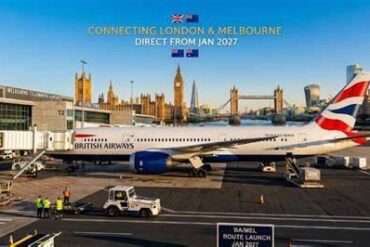
The return of British Airways to Melbourne is not just another route launch—it is a calculated re-entry into one of the most strategically valuable long-haul markets in the Southern Hemisphere. After a 20-year absence, the airline is reinstating direct service to Australia’s cultural capital, signaling renewed confidence in premium long-haul demand and network resilience.
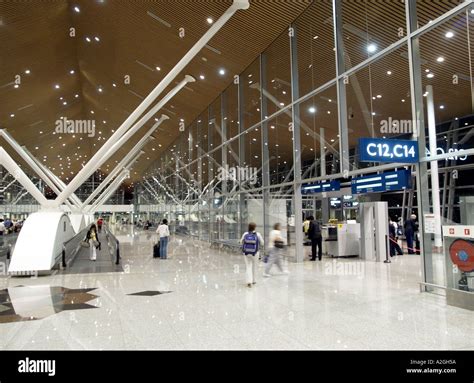
Beginning in January 2026, the carrier will operate a daily service between London Heathrow and Melbourne, with a stopover in Kuala Lumpur International Airport. This routing reintroduces British Airways into Melbourne’s growing ecosystem of long-haul connections, positioning the airline alongside emerging European competitors and reinforcing its global footprint.
A Strategic Return Built on Demand and Timing
The timing of this relaunch is anything but accidental. British Airways has aligned its inaugural flights to coincide with major international events such as the Australian Open and the Melbourne Grand Prix, both of which draw significant premium and leisure traffic. This deliberate synchronization reflects a broader airline strategy: maximize yield by targeting high-demand travel windows.
The route will complement existing services to Sydney Kingsford Smith Airport, effectively giving British Airways a dual-gateway strategy into Australia. Where Sydney offers scale and business traffic, Melbourne provides cultural depth, tourism appeal, and growing international connectivity.
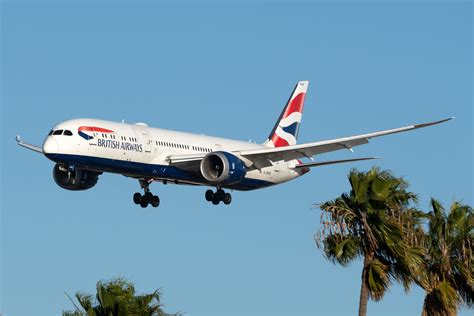
Boeing 787-9: The Right Aircraft for Ultra-Long Haul Efficiency
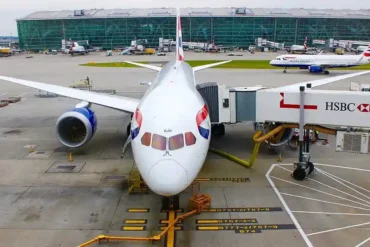
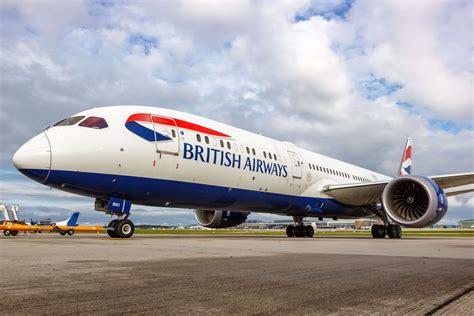
At the heart of this operation is the Boeing 787-9, an aircraft specifically designed for long-haul efficiency and passenger comfort. The Dreamliner’s advanced aerodynamics and fuel efficiency make it ideal for routes that balance distance with intermediate stops.
Passengers will experience four distinct cabin classes:
- World Traveller (Economy)
- World Traveller Plus (Premium Economy)
- Club World (Business Class)
- First (Flagship Luxury Cabin)
This configuration allows British Airways to capture a wide spectrum of travelers, from cost-conscious passengers to high-yield premium customers. The inclusion of First Class is particularly telling—it underscores confidence in premium demand between Europe and Australia.
Flight Schedule and Network Integration
The Melbourne service is effectively an extension of the airline’s existing London–Kuala Lumpur route, creating a seamless two-leg journey:
- London Heathrow → Kuala Lumpur → Melbourne
- Melbourne → Kuala Lumpur → London Heathrow
This hub-and-spoke extension model allows British Airways to optimize aircraft utilization while strengthening its presence in Southeast Asia.
Melbourne Airport will benefit directly from this integration, gaining increased connectivity to Europe without requiring nonstop ultra-long-haul operations, which remain operationally complex and costly.
Melbourne’s Rising Status as a Global Aviation Hub
Melbourne is no longer playing catch-up—it is actively reshaping its identity as a major international gateway. With more than 36 million passengers annually, including over 11 million international travelers, the airport is experiencing sustained growth in long-haul connectivity.
British Airways becomes the third European airline to establish a presence at Melbourne, joining:
- Turkish Airlines (via Singapore)
- Finnair (via Bangkok)
This clustering of European carriers is not coincidence—it reflects Melbourne’s increasing importance as a high-value destination for both tourism and business travel.

Beyond the City: Why Melbourne Matters
Melbourne’s appeal extends far beyond its urban core. As the capital of Victoria, it serves as the gateway to some of Australia’s most iconic landscapes, including the Great Ocean Road and the Grampians. This dual identity—urban sophistication combined with natural access—makes it particularly attractive to international travelers seeking multi-dimensional experiences.
The city’s reputation for food, arts, and coastal living adds another layer of demand, especially among European travelers who prioritize lifestyle destinations over purely transactional travel.
Global Network Expansion Amid Industry Shifts
This route is part of a broader expansion strategy by British Airways, which includes new services to Colombo and increased capacity across multiple continents. The airline is effectively rebalancing its network in response to shifting geopolitical and operational realities, including tensions affecting traditional flight corridors.
By expanding its long-haul network by approximately 9%, British Airways is signaling a willingness to adapt quickly and capture emerging opportunities rather than remain dependent on legacy routes.
Competitive Pressure and Market Dynamics
Melbourne’s rapid expansion is attracting not only legacy carriers but also low-cost and hybrid operators. Airlines such as Jetstar and Indonesia AirAsia are introducing new routes, while niche operators are experimenting with charter services linking destinations like the Maldives.
This intensifying competition creates a fascinating dynamic: full-service carriers like British Airways must differentiate through premium service, global connectivity, and brand strength, rather than price alone.
A Calculated Bet on the Future of Long-Haul Travel
The return to Melbourne is more than a nostalgic revival—it is a forward-looking investment in long-haul aviation’s next phase. Airlines are increasingly favoring flexible routing, fuel-efficient aircraft, and diversified destination portfolios.
British Airways’ decision reflects a broader truth about aviation: routes are not just about distance; they are about demand density, timing, and strategic positioning. Melbourne ticks all three boxes.
In the grand chessboard of global aviation, this move places British Airways back into a market it once left behind—this time with sharper tools, better aircraft, and a clearer understanding of where long-haul travel is heading.