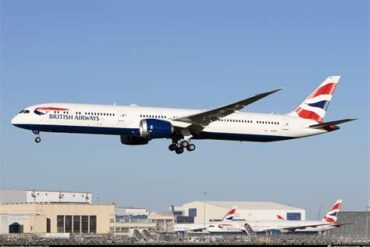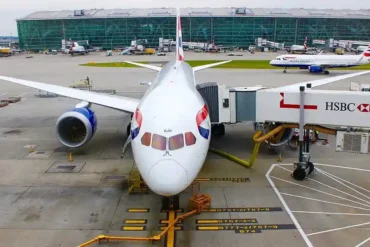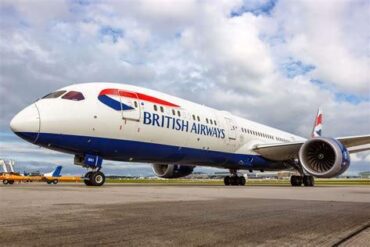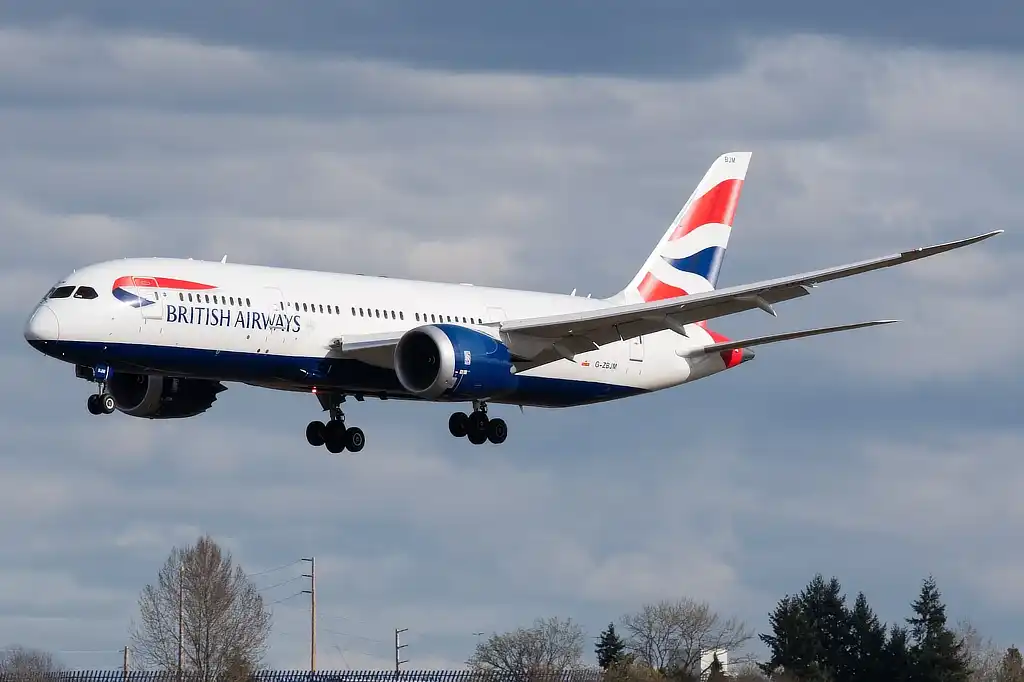
British Airways has officially announced a highly anticipated new route, confirming that the Boeing 787 Dreamliner will connect London Heathrow (LHR) with St. Louis Lambert International Airport (STL) beginning April 19, 2026. The introduction of this nonstop transatlantic service marks a significant moment not only for the airline but also for the city of St. Louis, which has long sought the return of a direct link to the United Kingdom. With this development, St. Louis will become the 27th U.S. city in British Airways’ network, reinforcing its position as one of the largest foreign carriers operating across the Atlantic.
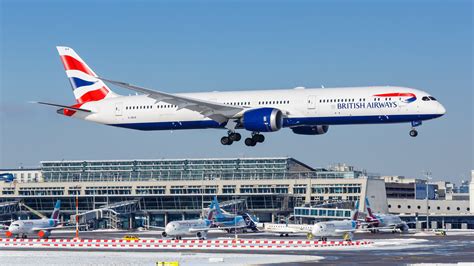
The new service will operate four times weekly, departing Heathrow at 16:25 and arriving in St. Louis at 19:30 local time. The return flight will leave Lambert at 22:00 and land back in London at 12:05 the following day. Covering 3,650 nautical miles (6,760 km), the route is tailor-made for the long-range efficiency of the 787 Dreamliner. This aircraft type allows the airline to profitably operate “thin” but strategically valuable transatlantic markets.
St. Louis: A Reconnected Gateway
The St. Louis metropolitan area, home to more than 3 million residents, has been under-served in terms of direct European connectivity for decades. Despite its size, its global economic presence, and its long aviation history, nonstop flights to London disappeared after American Airlines ceased its London Gatwick route in 2003, a service inherited from TWA’s former hub operations. Prior to that, carriers like British Caledonian experimented with St. Louis connections, but they were not sustained long-term.
The city’s global profile continues to rise, driven by a GDP of $227 billion in 2023, rapid growth in per capita economic output, and the presence of numerous Fortune 500 headquarters including Centene, Emerson Electric, and Edward Jones. These factors make the market especially attractive for premium demand, which is a critical element for airlines when assessing transatlantic profitability. The average one-way fare for Europe-bound passengers from St. Louis has hovered around $1,225, placing it on par with major hubs like Dallas in terms of yield.

Why British Airways Chose St. Louis
The decision to launch flights to St. Louis was not based solely on market size but also on untapped demand and strategic positioning. Data shows that in the twelve months ending June 2025, 730 daily round-trip passengers traveled between St. Louis and Europe, rising above 830 passengers daily when South Asia and the Middle East are factored in. Among these, London emerged as the largest unserved market, averaging 130 daily round-trip passengers.
This demand profile provides a lucrative opportunity for British Airways. While St. Louis passengers already have numerous one-stop options via U.S. and Canadian hubs—and through Lufthansa’s Frankfurt service—the convenience of a nonstop London connection is expected to be a major draw. Furthermore, Heathrow provides unparalleled onward connectivity, opening up seamless links to destinations in Europe, Africa, the Middle East, and South Asia.
Competitive Landscape: Lufthansa and Beyond
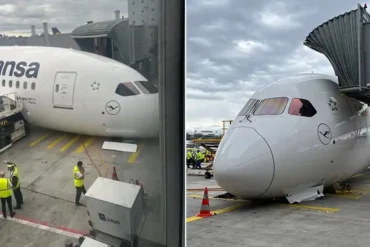
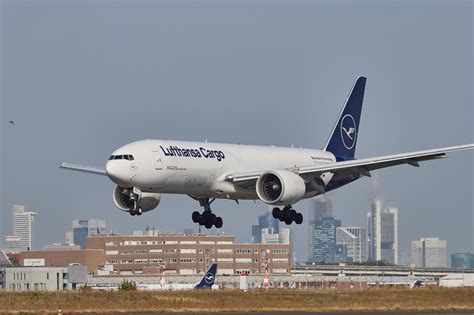
At present, Lufthansa is the only airline offering nonstop service from St. Louis to Europe. Since June 2022, it has operated three weekly flights to Frankfurt (FRA) with the Airbus A330-300, which seats 255 passengers. Due to strong performance, the German carrier plans to expand service to five weekly flights by summer 2025. This means that, for the first time in decades, St. Louis will enjoy dual nonstop European links, greatly improving its international profile.
The addition of British Airways significantly alters the competitive dynamic. Lufthansa’s strength lies in Germany and continental Europe, while BA offers broader connectivity through London. This dual presence is expected to benefit passengers with more schedule options, competitive fares, and improved cargo opportunities. For businesses in Missouri and surrounding states, this new connectivity is a direct boost to trade and investment opportunities.
The Role of the Boeing 787 Dreamliner
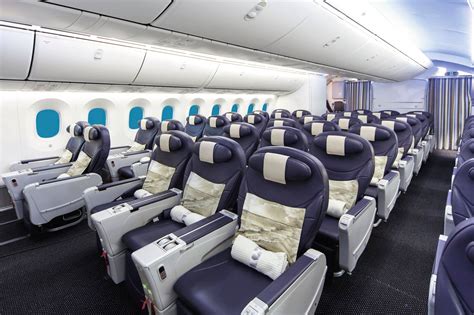
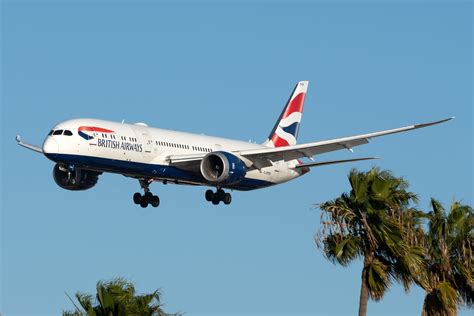
British Airways has chosen the Boeing 787-8 Dreamliner for the route, a clear reflection of its suitability for long-haul flights with medium passenger demand. The aircraft, depending on configuration, offers 204 to 214 seats, with state-of-the-art fuel efficiency that reduces operating costs while maintaining passenger comfort. The Dreamliner is known for its advanced composite materials, lower cabin altitude, larger windows, and superior fuel economy compared to older widebody aircraft.
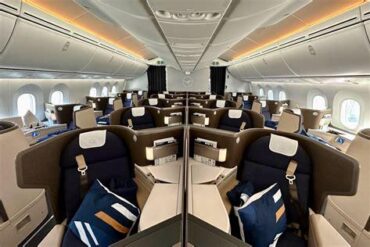
It is not yet confirmed whether the St. Louis route will see BA’s refurbished 787s featuring the airline’s latest Club Suite business class product, but such an upgrade would significantly strengthen its appeal to premium travelers. Given the city’s concentration of corporate headquarters and professional services firms, premium-class traffic will be crucial for long-term success.
Economic and Strategic Significance for St. Louis
The arrival of British Airways has both symbolic and tangible economic significance. For decades, St. Louis has struggled with the perception of being bypassed for international routes, even as similarly sized or smaller metro areas secured nonstop service. The new link directly addresses this gap, elevating Lambert International’s profile and reasserting the city’s place in the transatlantic network.
The service is expected to generate millions of dollars in annual economic impact, particularly through increased tourism, international business travel, and cargo opportunities. According to booking data, the most trafficked European destinations from St. Louis beyond London include Paris, Rome, Amsterdam, Dublin, Madrid, and Athens. The new London service will provide one-stop connections to these markets, further stimulating demand.
British Airways’ Wider U.S. Network
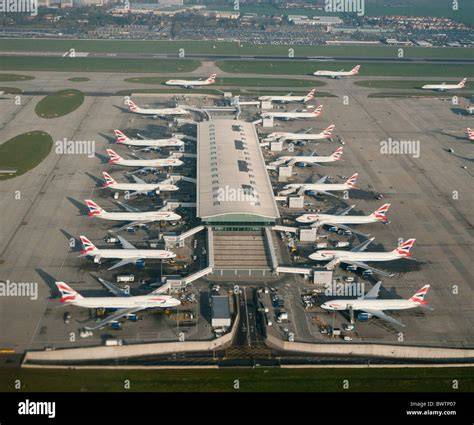
With the addition of St. Louis, British Airways will operate to 27 U.S. destinations in 2025, cementing its role as one of the most expansive transatlantic carriers. Its U.S. portfolio spans major hubs like New York JFK, Los Angeles, and Chicago O’Hare, as well as secondary markets such as Nashville, Austin, and Pittsburgh. The airline already planned a record 50 daily U.S. flights next summer, and the inclusion of St. Louis further illustrates its confidence in sustained transatlantic demand.
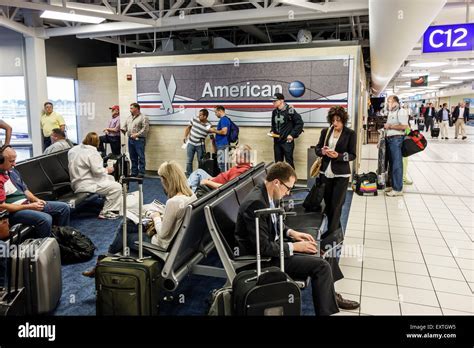
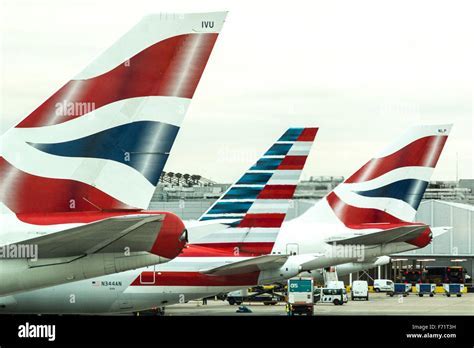
Strategically, BA’s U.S. growth also strengthens the oneworld alliance, particularly in partnership with American Airlines, which maintains a significant domestic network capable of feeding traffic into St. Louis. This cooperation enhances route viability, ensuring passengers from smaller cities across the Midwest have convenient access to London through Lambert.
Challenges and Opportunities Ahead
While the St. Louis–London route holds promise, challenges remain. The market is still considered “thin” by transatlantic standards, and sustaining year-round profitability will require both strong local demand and robust connecting traffic. Competition from Lufthansa, U.S. carriers’ one-stop services, and low-cost transatlantic challengers cannot be overlooked.
However, the combined factors of financial incentives, premium demand, and favorable operating economics of the 787 Dreamliner significantly mitigate these risks. St. Louis’ growing economy, coupled with its strong corporate base, positions it well to support this new connection. For British Airways, the move exemplifies a broader strategy: leveraging modern aircraft to link secondary U.S. cities with high-value demand to London and beyond.
A New Chapter in St. Louis Aviation
The launch of British Airways’ St. Louis service is far more than a new flight—it represents a symbolic restoration of global connectivity for the region. For local travelers, it means convenient access to London and onward destinations across the world. For businesses, it strengthens international trade opportunities. For the airport, it marks the beginning of what could be a sustained renaissance in long-haul service.
When the first British Airways 787 Dreamliner departs London Heathrow bound for St. Louis on April 19, 2025, it will do more than bridge 3,650 nautical miles. It will close a chapter of lost international connectivity and open a new era of opportunity, prestige, and growth for both the city and the airline.