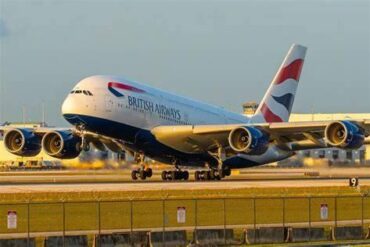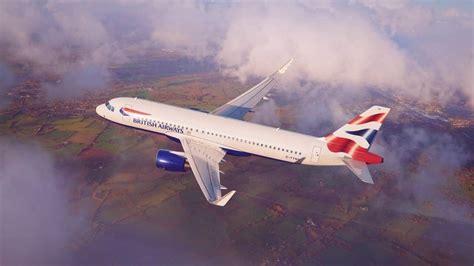
British Airways has introduced a remarkably short new route linking London Heathrow Airport (LHR) with Guernsey Airport (GCI), creating one of the quickest scheduled flights in the airline’s European network. The service officially began on April 19, marking the return of British Airways to the route after several decades. With a typical airborne time of around 40 minutes, the flight highlights how even extremely short sectors can play a strategic role in airline networks.
The new service reconnects the UK’s busiest international hub with the Channel Islands, a region that maintains strong economic and tourism ties with mainland Britain. Although the distance is modest, the route adds connectivity for travelers heading both to the island and onward through Heathrow’s extensive global network.
A 40-Minute Journey Across the Channel
The Heathrow–Guernsey route covers approximately 148 nautical miles (274 kilometers) each way, placing it among the shortest regularly scheduled flights in British Airways’ network. Despite the brief airborne time, the official block schedule includes one hour to Guernsey and one hour and five minutes for the return leg, allowing time for taxiing, air traffic procedures, and operational buffers.
Actual flight times can be even shorter. Data from Flightradar24 showed the inaugural outbound flight completing the journey in just 38 minutes, while the return sector took around 40 minutes. For passengers, the experience will feel more like an extended climb and descent rather than a traditional cruise phase.
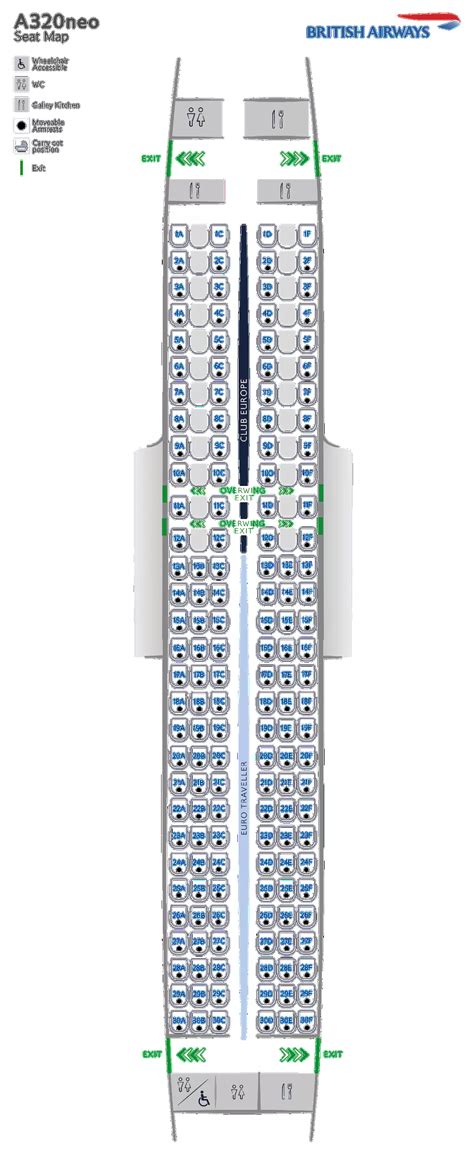
Despite its brevity, the route offers the familiar British Airways experience, including the airline’s Euro Traveller cabin, onboard service, and seamless connections through Heathrow’s international terminals.
Aircraft Choice for a Compact Route
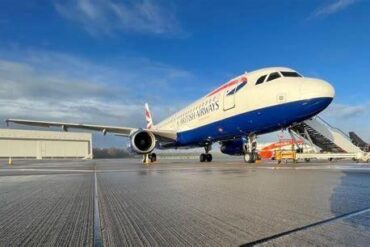
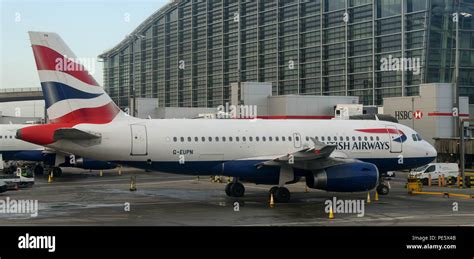
To operate the route efficiently, British Airways is deploying aircraft from its Airbus A320 family fleet, primarily the 123-seat Airbus A319 and the 156-seat Airbus A320neo. These narrowbody jets are among the smallest aircraft in the airline’s mainline fleet, making them well suited for a route with moderate passenger demand.
The selection is also influenced by Guernsey Airport’s runway, which measures 4,800 feet (1,463 meters). While modern Airbus narrowbodies can comfortably operate on shorter runways under the right conditions, weight management becomes crucial. Because the flight is so short, the aircraft carry minimal fuel, helping keep overall takeoff weight within safe limits.
For passengers, this means the flight uses full-size jet aircraft rather than turboprops typically associated with short regional services. The result is a fast and comfortable trip that rivals longer domestic flights in convenience.
A Route Returning After Decades
British Airways last operated flights between Heathrow and Guernsey in the 1980s, making this launch a notable return to a historically significant route. Over the years, other services connected London to Guernsey, but usually from different airports.
For example:
- BA CityFlyer briefly operated flights from London City Airport to Guernsey during 2021 and 2022.
- BA CityFlyer Express previously connected London Gatwick to Guernsey until 2003.
The restoration of a Heathrow link represents a significant upgrade for travelers who rely on the airport’s vast network of international connections.
At the same time the Guernsey route launched, British Airways also began a new long-haul service between Heathrow and St. Louis, demonstrating the airline’s strategy of balancing both global expansion and regional connectivity.
Midday Scheduling and Passenger Demand
The daily service operates with midday departure times, a schedule that largely targets leisure travelers rather than business passengers.
Current flight timings include:
- BA1344 – Heathrow to Guernsey: 11:55 AM – 12:55 PM
- BA1345 – Guernsey to Heathrow: 1:45 PM – 2:50 PM
Because the flights depart around lunchtime, they are less convenient for same-day business trips. However, they work well for tourists visiting the Channel Islands or for travelers connecting to longer international flights later in the day.
Airlines typically reserve Heathrow’s most valuable slots for high-yield long-haul services, so positioning the Guernsey flight in the middle of the day allows British Airways to utilize less competitive time slots while still maintaining connectivity.
Guernsey’s Busy Air Link to London
Guernsey may be a small island, but its connection to London is exceptionally active. According to the UK Civil Aviation Authority, more than 310,000 round-trip passengers traveled between Guernsey and London in the past year alone.
That equates to roughly 851 travelers per day, illustrating the importance of reliable air links between the island and the UK mainland.
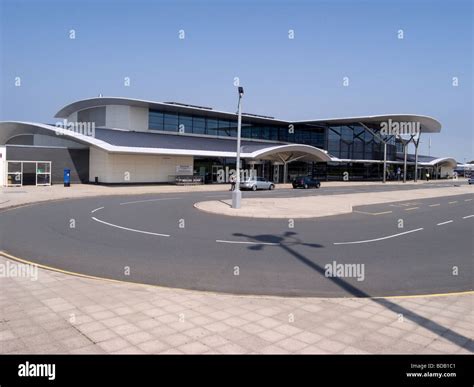
In 2026, Guernsey will have up to ten daily departures to London, operated by two airlines:
- British Airways – one daily flight to Heathrow
- Aurigny Air Services – up to nine daily flights to London Gatwick and London City
Aurigny, the island’s own airline, operates ATR 72 turboprops and focuses heavily on schedules designed for same-day travel. British Airways, meanwhile, provides access to the global network available through Heathrow.
Government Support and Strategic Value
The introduction of the Heathrow route has received financial support from the State of Guernsey, reflecting the island’s strong interest in boosting tourism and economic connectivity.
Historically, such support has been essential. For instance, the now-defunct regional airline flybe received approximately £825,000 annually to operate the Heathrow–Guernsey route before ceasing operations in 2020.
Given that British Airways is operating larger aircraft with more seats, and considering inflation since the previous subsidy agreements, the financial support for the current service is likely significantly higher.
Even with subsidies, ultra-short routes like this can be challenging to make profitable. However, the broader economic benefits—including tourism, business travel, and improved international access—often justify the investment.
One of British Airways’ Shortest Routes
Within the airline’s network, the Heathrow–Guernsey flight ranks as British Airways’ third-shortest nonstop route from London by distance.
Only two routes are shorter:
- London Heathrow – Manchester
- London Gatwick – Jersey
When measured by block time, several other flights also rank slightly shorter, including London City to Rotterdam and Heathrow to Jersey, each scheduled at around 55 minutes.
Across the airline’s entire global network, however, an even shorter flight exists in the Caribbean. A 54-nautical-mile hop between St. Kitts and Antigua, operated by a Boeing 777-200ER, has a block time of only 30 minutes—a remarkable example of how airline logistics can produce surprising route dynamics.
Still, the newly launched Heathrow–Guernsey flight stands out as one of the most unusual services in British Airways’ European schedule. Covering barely 40 minutes in the air, it combines the scale of a global airline with the speed of a regional connection, proving that even the shortest routes can carry significant strategic importance.