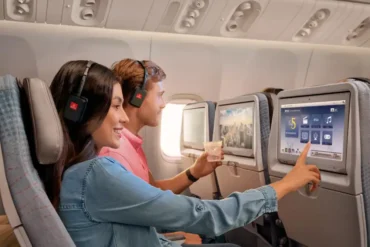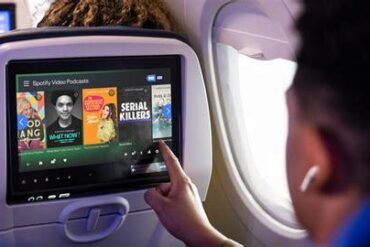
British Airways has taken a decisive step into the future of aviation tech with the launch of a Bring Your Own Device (BYOD) streaming trial on select long-haul flights departing from London Heathrow. This initiative, which officially began in July 2025, is being rolled out across Airbus A380s, Boeing 787-9s, and standard Boeing 777-200s, allowing passengers to stream a curated library of in-flight entertainment directly to their personal devices. The move represents a shift in how modern travelers consume digital content at cruising altitude—and could well define the next generation of in-flight entertainment (IFE).

A New Chapter in Passenger-Centric Innovation
At 35,000 feet, comfort and convenience define the quality of a journey. With this trial, British Airways is embracing that ethos by giving travelers freedom of choice, flexibility, and a more personalized digital experience. By utilizing passengers’ own smartphones, tablets, or laptops, the airline is not only catering to tech-savvy flyers but also taking a bold step toward reducing its technological overhead.
Importantly, seat-back screens are not being eliminated—at least not yet. The BYOD feature is designed to complement existing IFE infrastructure, not replace it. British Airways has reiterated that this is strictly a trial phase, and insights from passenger feedback will determine its wider implementation.
How the BYOD System Works In Flight
Passengers aboard participating aircraft will be provided with instructions to connect to the onboard Wi-Fi streaming portal. This portal allows access to an extensive selection of content—films, TV shows, and curated media—free of charge, although general web browsing and messaging services will not be available.
Once connected, users can navigate the platform using their familiar devices and interface, often delivering smoother performance and screen clarity compared to legacy seat-back monitors. The experience is designed to mirror modern streaming applications like Netflix or Disney+, with an intuitive menu layout and responsive playback.
Benefits Driving the BYOD Revolution
The shift toward personal device streaming offers numerous operational and user-centric benefits:
- Enhanced reliability: Passengers avoid issues like frozen seat-back screens or unresponsive touch panels.
- Superior screen quality: Personal devices often provide sharper resolution, better brightness, and improved audio quality when using personal headphones.
- Content familiarity: Travelers are already comfortable with their own devices, making the interface easier to navigate.
- Reduced weight and maintenance costs: Fewer built-in systems mean lighter aircraft and lower repair expenses.
In an era where digital personalization reigns supreme, this development aligns perfectly with passenger expectations.
Criticism and Concerns Among Frequent Flyers
However, not everyone is ready to fully embrace the BYOD model. Some travelers have voiced practical concerns:
- Battery drain during long flights, particularly on intercontinental journeys where power ports may be limited.
- Forgotten charging cables or adapters, leading to entertainment interruptions.
- Screen size limitations, with phones and tablets offering a more restricted viewing experience compared to seat-back monitors.
- Inconsistent Wi-Fi stability, which could disrupt playback, especially in remote airspace.
These critiques raise important questions about the limits of tech-driven convenience in the aviation environment. While innovation is vital, passenger satisfaction still hinges on delivering consistent, reliable experiences.
A Wider Trend Among Global Carriers
British Airways isn’t acting in isolation. The BYOD streaming trend is gaining momentum across global aviation:
- American Airlines has already removed seat-back screens on many of its short-haul and narrow-body aircraft to cut weight and improve fuel economy.
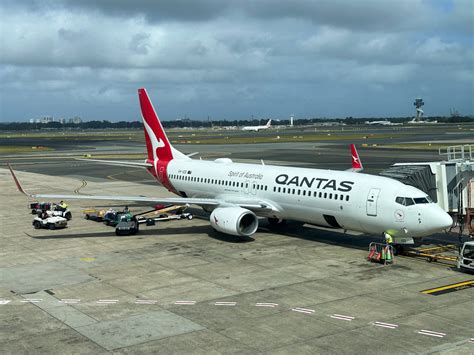
- Qantas and Etihad Airways are following suit, prioritizing mobile streaming and focusing on cabin connectivity.
- A separate UK-based carrier recently unveiled plans to offer free, unlimited, satellite-powered high-speed Wi-Fi on all flights beginning in 2026, signaling a broader competitive race for digital supremacy in the skies.
These global examples highlight a growing industry shift—from hardware-heavy cabins to lightweight, software-driven ecosystems that put content control directly in the hands of travelers.
No Plans to Retire Seat-Back Entertainment… Yet
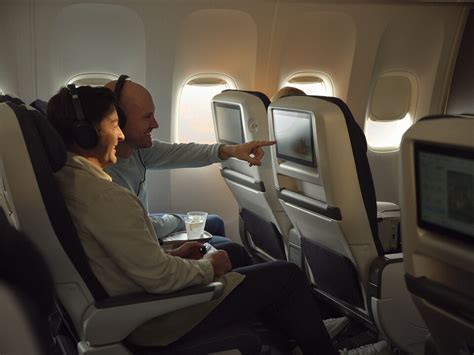
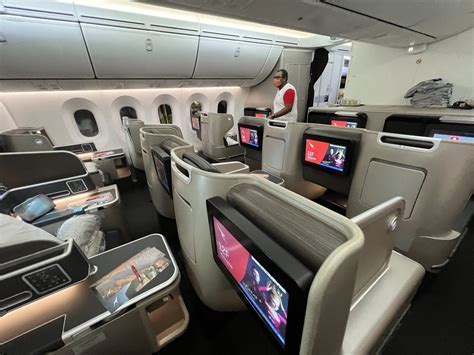
Despite the enthusiasm, British Airways has made it clear: seat-back screens aren’t going anywhere just yet. In fact, both systems will operate side-by-side during the trial. This hybrid model ensures all passengers—regardless of age, tech-savviness, or device ownership—can access entertainment during their flight.
This is a crucial differentiator. While other airlines have gone all-in on BYOD, British Airways is balancing innovation with accessibility, allowing them to cater to a broader demographic and gauge the true effectiveness of digital personalization in the cabin.
What Passengers Need to Know Before Boarding
Travelers heading out on a BYOD-enabled flight should take note of a few key things:
- Ensure all devices are fully charged before boarding.
- Bring chargers and compatible cables—not all seats may have power outlets.
- Download important content offline as a backup in case streaming isn’t stable.
- Prepare to follow onboard instructions for accessing the BYOD portal; it won’t require an internet connection, but only allows access to British Airways’ internal content catalog.
The trial is currently limited to select long-haul flights from London Heathrow, and does not apply to short-haul European routes or flights originating from other airports.
Assessing the Trial’s Success: What Comes Next?
British Airways plans to evaluate the BYOD trial based on passenger feedback, usage statistics, and operational reliability. Should the system prove popular and seamless in real-world conditions, there’s a strong possibility of it expanding across the entire long-haul fleet.
However, future implementation will depend on several variables:
- The robustness of the onboard Wi-Fi system, especially during transatlantic crossings
- Adoption rates across different passenger demographics, including older flyers and families
- The cost-benefit ratio of maintaining both BYOD systems and seat-back screens
By collecting and analyzing these data points, British Airways aims to shape a sustainable, user-friendly IFE model that reflects the demands of 21st-century travelers.
The Future of In-Flight Entertainment Is Hybrid
In-flight entertainment is no longer just about hardware—it’s about experience. British Airways’ BYOD streaming trial is more than a tech upgrade; it’s a paradigm shift. The airline is joining a growing movement that sees digital choice, environmental efficiency, and personalization as central to the modern flying experience.
If the trial is successful, it will mark the beginning of a hybrid IFE era, where passengers are free to choose between traditional screens and streaming to their own devices. This dual approach could set a precedent for other legacy carriers aiming to modernize without alienating key segments of their customer base.
As we move into a decade defined by connectivity, autonomy, and user control, British Airways’ bold step forward is not only timely—it’s transformative.