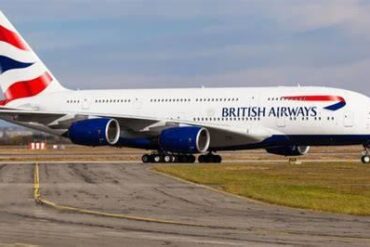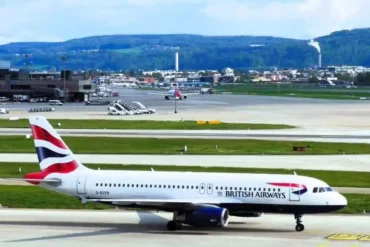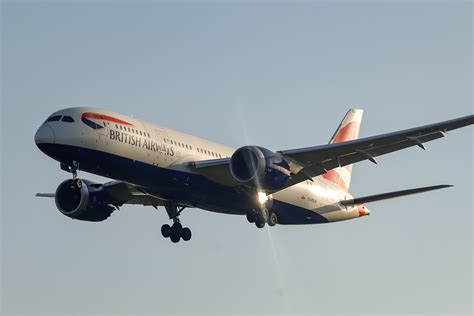
British Airways is significantly reshaping its intercontinental network for 2026, ending seven major long-haul routes while simultaneously strengthening its presence on higher-performing markets. The latest schedule reveals a clear strategy focused on consolidating operations at London Heathrow, improving aircraft utilization, increasing connectivity, and concentrating capacity on destinations capable of delivering stronger financial returns. Although the airline is discontinuing several familiar routes, its overall long-haul network continues to expand, illustrating that the changes are less about shrinking and more about reallocating resources where demand is strongest.
Between July and the end of 2026, British Airways plans approximately 93 daily long-haul departures from London Heathrow and London Gatwick. According to current schedule data, this represents roughly 3% more capacity than during the same period a year earlier. The airline will continue serving 77 long-haul destinations across 40 countries, with the United States remaining by far its largest international market, followed by India and Canada. Together, these three countries account for the majority of the carrier’s long-haul operations, reflecting where premium demand and connecting traffic remain strongest.
The latest network revision highlights an important trend within British Airways’ planning philosophy. Rather than maintaining duplicate services from both London airports, the airline increasingly favors Heathrow as its primary long-haul hub. Heathrow offers substantially greater onward connectivity, stronger premium demand, and more opportunities for passengers to connect across the airline’s worldwide network.
Why British Airways Is Restructuring Its Long-Haul Network
Network planning is a continuous balancing act between passenger demand, aircraft availability, operating costs, and profitability. British Airways compared its schedules from early 2025 through mid-2026 with those planned for the second half of 2026, identifying seven permanent long-haul route removals. Some destinations disappear entirely, while others simply move from Gatwick to Heathrow, allowing frequencies to increase and connections to improve.
The airline has also excluded temporary suspensions related to regional conflicts from these figures. Likewise, its short-lived Heathrow-Bangkok operation introduced earlier solely to assist stranded travelers is not considered part of the permanent network strategy.
Five Long-Haul Routes Removed From London Gatwick
The biggest changes occur at London Gatwick, where British Airways has withdrawn five intercontinental routes.
Cape Town was among the first to disappear from Gatwick, with its final flight operating in January 2025. Rather than abandoning the South African destination, British Airways consolidated all Cape Town services at Heathrow. Concentrating operations there enables better aircraft utilization while providing passengers with considerably more connecting opportunities across Europe and North America.
Another casualty was Aruba, which ended in March 2025 after only two years of operation. The Caribbean service had operated via Antigua in both directions, creating a niche leisure itinerary that ultimately proved unsustainable within the airline’s broader network priorities.
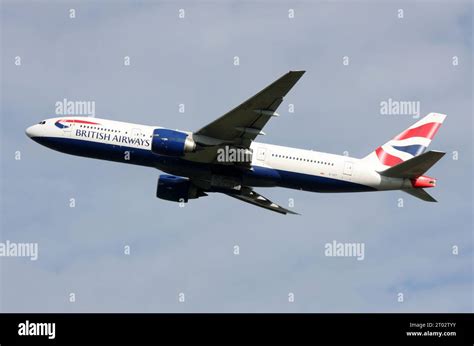
The airline also withdrew its Gatwick services to New York JFK and Las Vegas during October 2025. Instead of leaving these cities, British Airways shifted capacity entirely to Heathrow. Operating from Heathrow strengthens competitiveness through additional daily frequencies, better business travel appeal, and easier connections for passengers arriving from throughout Europe.
Perhaps the most interesting change involves San José, Costa Rica. British Airways inaugurated the route from Gatwick in 2016, targeting leisure travelers seeking Central American vacations. After a decade of Gatwick operations, the service ended there in March 2026.
Rather than abandoning Costa Rica, British Airways is relocating the destination to Heathrow beginning in October. The move represents Heathrow’s first nonstop service to Costa Rica and Central America. Flights will increase from three weekly departures using Gatwick-configured Boeing 777-200ER aircraft to five weekly flights aboard the Boeing 787-8, offering passengers greater flexibility while improving the airline’s competitive position.
Heathrow Also Loses Two Long-Haul Destinations
While Heathrow gains several consolidated routes, it is not immune from reductions. British Airways has permanently removed Jeddah and Kuwait from its long-haul schedule.
Jeddah has experienced a particularly complex history within the airline’s network. After returning in 2009, operations continued until the pandemic interrupted services in 2020. The route resumed in 2024 before ending once again in April 2026. Throughout its lifetime, the destination saw an impressive variety of aircraft, including the Boeing 747-400, 767-300ER, 777-200ER, and multiple Boeing 787 Dreamliner variants.
Commercial performance ultimately determined its fate. Compared with Riyadh, Jeddah generated significantly fewer premium passengers, making yields considerably weaker despite consistent demand. British Airways instead plans to focus future Saudi Arabian growth on Riyadh, where twice-daily operations are expected after temporary regional disruptions conclude.
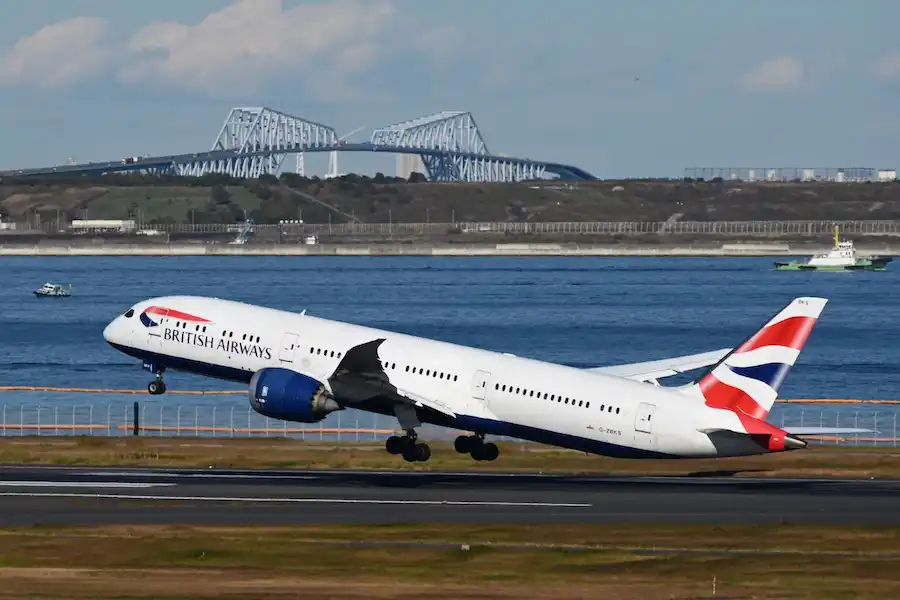
Kuwait marks the end of one of British Airways’ longest-serving international routes. After more than six decades, the airline operated its final Heathrow-Kuwait flight in March 2025. Despite maintaining daily service, British Airways faced intense competition from Kuwait Airways, which often operated two or three daily Boeing 777-300ER flights. The British carrier relied heavily on connecting passengers rather than higher-yield local travelers, while passenger loads frequently failed to justify continued operations.
What These Route Changes Mean for British Airways
Although headlines focus on seven discontinued routes, the broader picture reveals an airline refining rather than shrinking its global network. Heathrow continues evolving into an even stronger long-haul hub where larger aircraft, higher frequencies, and superior connecting opportunities create better commercial performance. Markets capable of supporting premium traffic receive additional investment, while lower-yield routes gradually disappear or migrate to more efficient operating structures.
For travelers, some nonstop options from Gatwick will disappear, but many destinations remain available through Heathrow with improved schedules and greater connectivity. For British Airways, the strategy reflects an increasingly disciplined approach to network planning, ensuring aircraft are deployed where they generate the strongest returns while maintaining one of the world’s largest long-haul route networks.