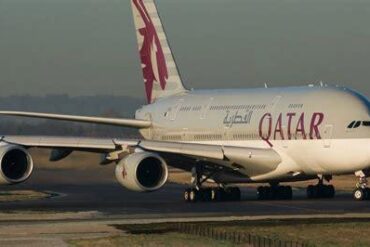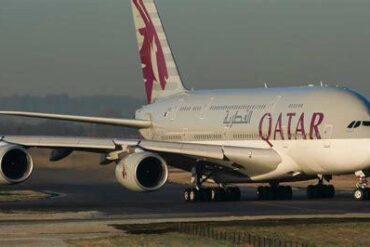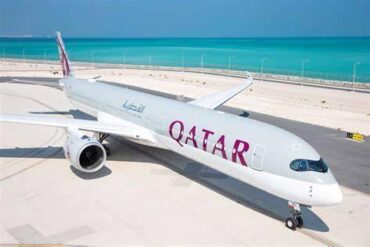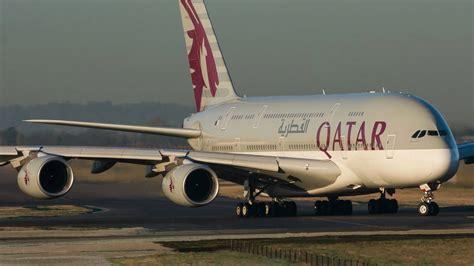
Qatar Airways has once again revised its long-haul fleet strategy, confirming that its iconic Airbus A380 fleet will no longer return to Sydney and Singapore later this year. The decision marks another significant adjustment to the carrier’s post-Iran conflict recovery plans and highlights the airline’s increasingly flexible approach to capacity deployment across its global network.
Following months of disruption caused by regional instability, Qatar Airways only recently returned its Airbus A380 aircraft to commercial operations on June 16 after grounding the fleet in April during the conflict involving Iran. However, fresh schedule updates reveal that the airline has already abandoned plans to restore superjumbo operations on two major intercontinental routes: Doha to Sydney and Doha to Singapore.
For aviation enthusiasts and premium travelers alike, the changes represent a notable shift, especially as both markets have historically been among the airline’s most important long-haul destinations.
Qatar Airways Cancels Planned Airbus A380 Return to Sydney
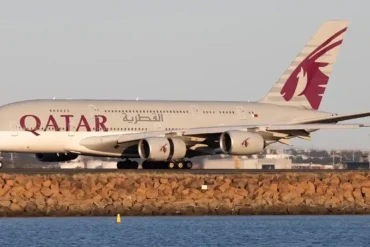
According to newly updated scheduling data, Qatar Airways has removed the Airbus A380 from its planned Doha Hamad International Airport–Sydney Kingsford Smith Airport service beginning September 16.
The carrier had originally intended to resume daily A380 operations to Australia’s busiest airport during the northern winter season. Instead, the airline will continue utilizing the smaller 354-seat Boeing 777-300ER on the route, effectively ending scheduled Qatar Airways A380 operations to Australia for the foreseeable future.
The replacement represents a substantial reduction in capacity. Qatar Airways’ Airbus A380 accommodates 517 passengers, while the Boeing 777-300ER used on the route seats just 354 travelers, reducing available capacity by nearly one-third on each departure.
Equally significant is the loss of the airline’s flagship First Class product from the Sydney market. Unlike the A380, Qatar Airways’ current 777-300ER configuration serving Sydney does not feature First Class cabins, leaving Business Class as the carrier’s highest available premium offering.
Qatar Airways first introduced flights to Sydney in March 2016, considerably later than its services to Melbourne and Perth. Despite the comparatively late launch, Sydney rapidly evolved into one of the airline’s most strategically important Australian gateways.
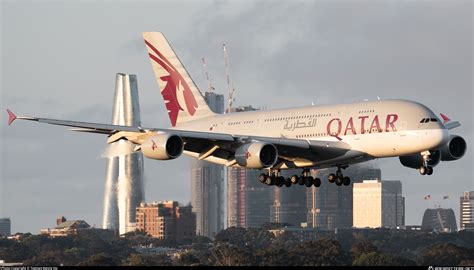
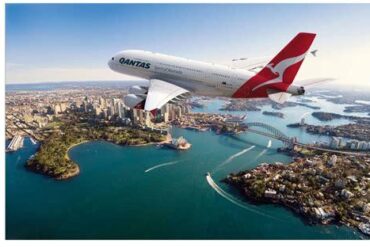
The Airbus A380 debuted on the Sydney route in September 2016 and quickly became a cornerstone of Qatar Airways’ Australian operation. Daily superjumbo flights continued until the pandemic disrupted global aviation in 2020. After a temporary suspension, A380 services resumed in 2022 before being withdrawn again in early 2026.
Virgin Australia Partnership Alters Capacity Dynamics
The withdrawal of the Airbus A380 from Sydney comes just days after Virgin Australia reinstated flights between Sydney and Doha using Qatar Airways-operated Boeing 777-300ER aircraft and crews.
Under the expanded partnership arrangement, both airlines collectively provide multiple daily frequencies between Australia and Qatar. However, without the larger A380 aircraft, total seat availability between Doha and Sydney will decline by approximately 19%.
This reduction may prove commercially advantageous.
Lower overall capacity often enables airlines to maintain stronger passenger load factors while supporting higher yields, particularly during periods of geopolitical uncertainty affecting traffic flows through Middle Eastern hubs. Given ongoing concerns surrounding regional stability, Qatar Airways appears to be prioritizing profitability and operational flexibility over sheer seat volume.
Singapore Also Loses Scheduled Qatar Airways A380 Flights
Singapore Changi Airport has also been removed from Qatar Airways’ future A380 deployment plans.
Operational data indicates that the airline only briefly utilized the Airbus A380 on the Doha-Singapore route during January and February before regional tensions disrupted network planning. The final scheduled A380 departure from Singapore occurred on February 28.
Initially, Qatar Airways intended to restore daily A380 operations to Singapore beginning September 16. That plan has now been abandoned.
Instead, the carrier will continue relying on its highly efficient Airbus A350 fleet, primarily deploying both the Airbus A350-900 and larger Airbus A350-1000 aircraft.
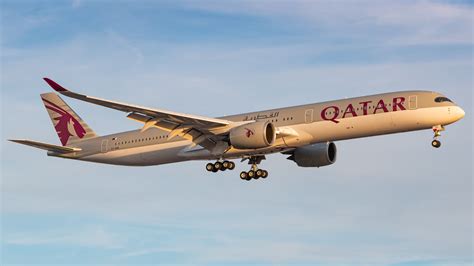
Although these twin-engine aircraft offer outstanding passenger comfort and lower operating costs, neither aircraft type features the airline’s premium First Class product available aboard the Airbus A380.
Current schedules indicate Qatar Airways will operate between 18 and 21 weekly flights between Doha and Singapore during the latter part of the year, representing a slight decline compared with the same period last year.
Middle Eastern Airlines Continue A380 Operations to Singapore
Despite Qatar Airways’ withdrawal, Singapore will remain one of Asia’s most important Airbus A380 markets.
Emirates is expected to continue operating three daily Airbus A380 services between Dubai and Singapore, utilizing both its 487-seat and 489-seat configurations. A fourth daily frequency will continue using the Boeing 777-300ER.
Meanwhile, Etihad Airways plans to reintroduce Airbus A380 flights to Singapore beginning October 25, further strengthening superjumbo presence on the route.
Interestingly, reduced capacity from competing carriers could benefit other airlines. British Airways is scheduled to operate the Airbus A380 between London Heathrow and Singapore during the upcoming winter season, potentially capitalizing on stronger premium demand and reduced competition.
Qatar Airways’ latest network revisions underscore a broader industry trend: airlines are increasingly deploying the Airbus A380 selectively, concentrating the aircraft only on routes where demand, yields, and operational conditions fully justify its enormous capacity.