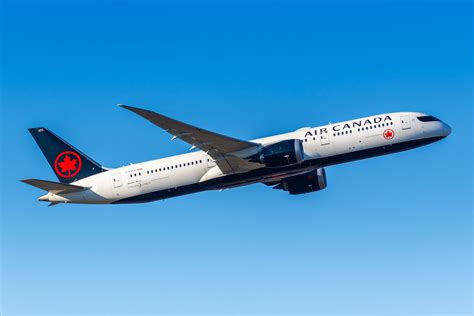
Air Canada is making another significant adjustment to its Winter 2026 transborder schedule, canceling, delaying, or permanently removing eight routes between Canada and the United States. The latest network revisions affect major Canadian gateways, including Toronto Pearson International Airport (YYZ), Montréal–Trudeau International Airport (YUL), Ottawa International Airport (YOW), and Québec City Jean Lesage International Airport (YQB). While airlines regularly fine-tune their schedules based on market conditions, these latest changes arrive just months before the busy winter travel season, impacting both business travelers and vacationers planning trips south of the border.
The schedule revisions include three routes ending earlier than originally planned, three seasonal services postponed until December, and two previously suspended flights that have now been removed entirely from the winter timetable. The adjustments reflect Air Canada’s continuing effort to balance aircraft utilization, passenger demand, and operational efficiency as the airline prepares for one of its busiest travel periods of the year. Rather than maintaining flights with uncertain demand, the carrier is concentrating resources on routes expected to generate stronger passenger loads during peak winter months.
Although these updates may inconvenience some travelers, they are far from unusual within today’s aviation industry. Airlines continually reassess route performance months before departure dates, allowing them to maximize profitability while maintaining network flexibility. Air Canada’s latest decisions demonstrate how carriers remain responsive to changing booking trends, seasonal demand patterns, fleet availability, and broader economic conditions affecting international travel.
Air Canada’s Eight Affected U.S. Routes
The latest timetable revisions impact destinations across both the eastern and central United States. Some services that were expected to operate daily throughout the winter will now conclude in late October, while others will begin later than originally scheduled.
The affected routes include:
- Montréal (YUL) – Detroit (DTW): Daily service will end on October 24, rather than continuing throughout the winter season.
- Toronto (YYZ) – Indianapolis (IND): Flights will also conclude on October 24, ending earlier than planned.
- Montréal (YUL) – Minneapolis–Saint Paul (MSP): Daily operations will cease after October 24.
- Ottawa (YOW) – Fort Lauderdale (FLL): Seasonal launch postponed from October until December.
- Québec City (YQB) – Orlando (MCO): Seasonal service delayed until December.
- Montréal (YUL) – Palm Beach (PBI): Planned October launch postponed until December.
- Toronto (YYZ) – New York John F. Kennedy (JFK): Previously suspended flights have now been removed completely from the winter schedule.
- Montréal (YUL) – New York John F. Kennedy (JFK): Also withdrawn entirely following its earlier seasonal suspension.
Together, these adjustments reduce Air Canada’s cross-border capacity before winter while allowing the airline to focus on routes demonstrating stronger booking performance.
Why Air Canada Is Adjusting Its Schedule
Airline schedules are never fixed months in advance. Instead, carriers routinely evaluate ticket sales, fleet deployment, staffing levels, airport slot availability, fuel costs, and operational reliability before finalizing seasonal schedules. When demand falls below expectations, reducing frequencies or delaying route launches often becomes the most financially responsible option.
For Air Canada, the postponed Florida services illustrate this strategy clearly. Rather than eliminating flights to Fort Lauderdale, Orlando, and Palm Beach, the airline has simply shifted their launch dates from October to December. This approach better aligns capacity with the traditional holiday travel surge and the annual migration of Canadian snowbirds seeking warmer weather throughout the winter.
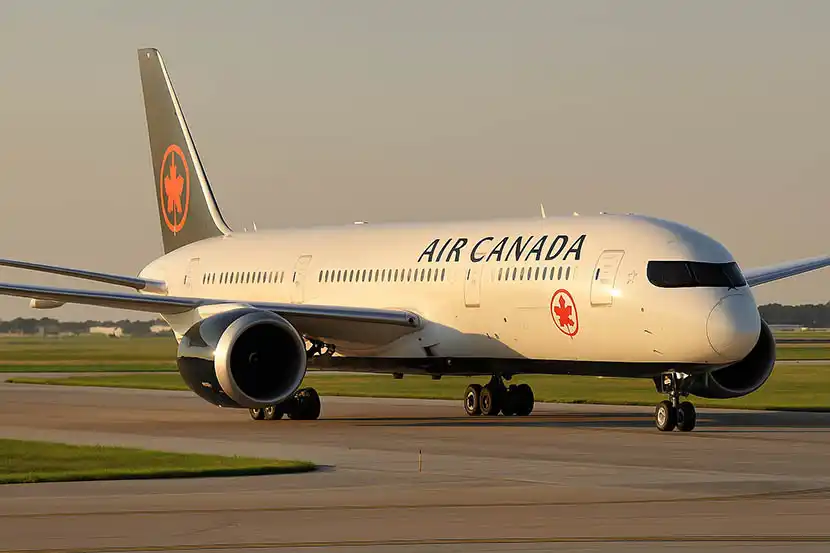
The complete removal of both New York JFK routes represents a more notable change. Earlier schedules anticipated their return after temporary summer suspensions, but the latest revisions indicate the airline no longer plans to restore these services during the upcoming winter season. Even so, Air Canada continues serving the New York metropolitan area through Newark Liberty International Airport (EWR) and LaGuardia Airport (LGA), preserving extensive connectivity for passengers while avoiding overlapping capacity.
What These Changes Mean for Travelers
Passengers holding reservations on affected flights should regularly review their bookings as the updated schedules are implemented. Airlines typically notify customers whenever flights are canceled, significantly rescheduled, or delayed. Depending on the circumstances, travelers are generally offered alternative itineraries, travel credits, or refunds according to the airline’s fare conditions and applicable passenger protection regulations.
Many affected customers will still have practical alternatives within Air Canada’s extensive network. Travelers originally booked to JFK can often be rerouted through Newark or LaGuardia, both of which provide convenient access to New York City while maintaining onward connections across North America and internationally. Similarly, passengers planning winter vacations to Florida may simply experience later seasonal availability beginning in December instead of October.
Business travelers may notice reduced scheduling flexibility on discontinued routes such as Detroit, Indianapolis, and Minneapolis–Saint Paul, but alternative connections through Air Canada’s hub airports remain available. The airline’s extensive partnerships within the Star Alliance network also provide additional options for reaching many U.S. destinations through connecting itineraries.
A Reflection of Broader Airline Network Planning
The latest revisions underscore how dynamic airline scheduling has become in today’s travel environment. Rather than maintaining fixed timetables months in advance, carriers increasingly rely on booking data and operational forecasting to adjust capacity where it is most needed. This flexible approach enables airlines to improve aircraft utilization, strengthen profitability, and better match supply with actual passenger demand.
Air Canada has made several network adjustments over recent years across both its domestic and international operations as travel patterns continue evolving. The latest U.S. route changes fit within that broader strategy of refining schedules to reflect real-world demand rather than historical expectations. With several months remaining before the full Winter 2026 schedule takes effect, additional timetable revisions remain possible as booking trends continue to develop, making it advisable for travelers to monitor their itineraries closely before departure.