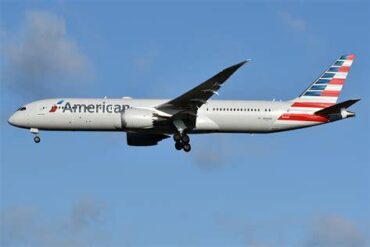
American Airlines has made one of its most significant seasonal network adjustments for the Winter 2026/2027 travel period, eliminating 18,920 seats from its planned service between Austin-Bergstrom International Airport (AUS) and Los Cabos International Airport (SJD). The decision dramatically reduces what had originally been scheduled as a strong winter operation, transforming a route once expected to feature frequent holiday departures into one with only a limited number of flights. The move represents another step in the airline’s ongoing effort to refine capacity while responding to changing market conditions and competitive pressures.
For travelers across Central Texas, the reduction arrives during one of the busiest vacation periods of the year. Los Cabos remains one of Mexico’s most popular beach destinations for American travelers, especially during the winter months when demand traditionally peaks. By sharply reducing available seats, American is not only changing its own network strategy but also altering the competitive balance on one of Austin’s most valuable international leisure routes.
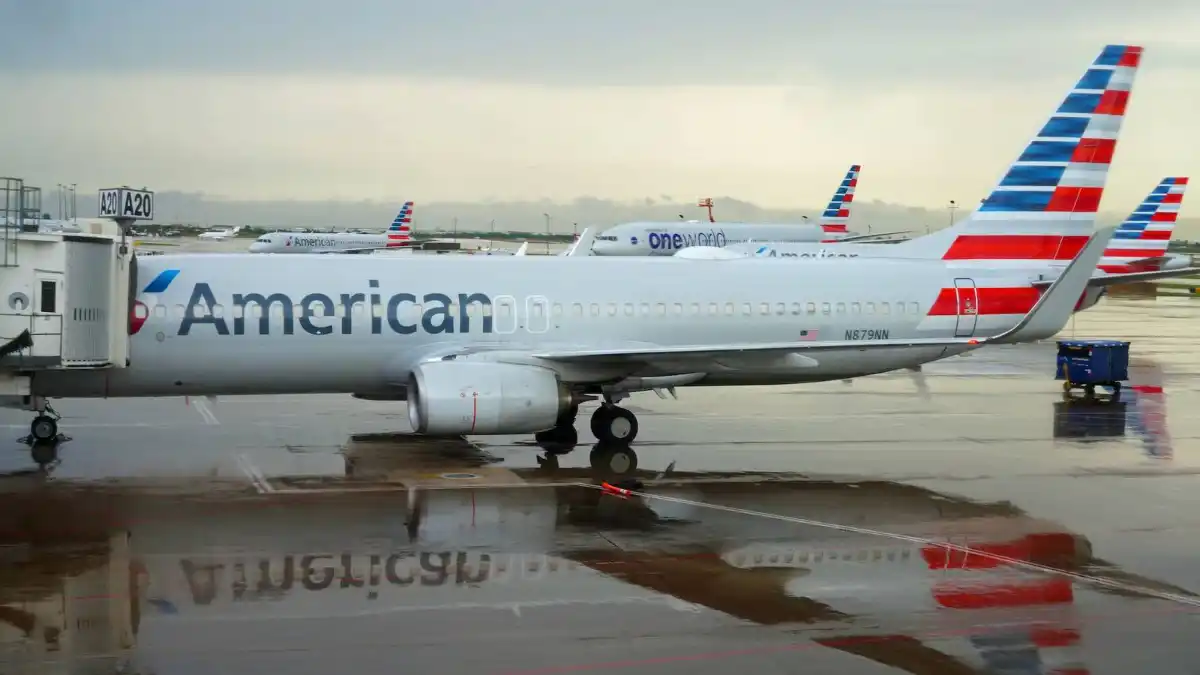
The latest scheduling data indicates that American has withdrawn the majority of its planned Boeing 737-800 operations on the route. These aircraft, configured with 172 seats, had originally been expected to support a far more aggressive winter schedule before the carrier revised its plans.
American Airlines Dramatically Scales Back Winter Capacity
The revised schedule represents a substantial departure from American Airlines’ earlier network planning. Instead of maintaining regular seasonal frequencies throughout the winter, the airline has reduced operations to only a handful of flights spread across three months.
November experiences the first major impact. Initial schedules showed 48 flights operating during the month, providing more than 8,200 available seats. Following the latest revisions, only four flights remain, leaving fewer than 700 seats available. That single adjustment removes 7,568 seats from the market before the busiest holiday travel period even begins.
December experiences an even deeper reduction. Earlier plans called for a robust daily operation designed to capture heavy Christmas and New Year vacation demand. Those ambitions have now disappeared almost entirely. Instead of operating 62 flights throughout December, American will again offer only four flights, effectively abandoning the daily schedule that had been planned just months earlier.
January follows the same trend. Although the original schedule was already smaller after the holiday rush, further revisions reduced operations from 10 flights to only two, eliminating another 1,376 seats.
When combined, these monthly adjustments total 18,920 fewer seats, making this one of the largest single seasonal capacity reductions affecting Austin’s international network.
Holiday Travelers Face Fewer Options to Los Cabos
The timing of these cuts is particularly significant because they coincide with the period when leisure demand traditionally reaches its highest levels.
Austin has experienced rapid population growth over the past decade, attracting new residents, technology companies, and higher-income travelers. As a result, nonstop international leisure destinations such as Los Cabos have become increasingly important during school holidays and winter vacation seasons.
American originally appeared prepared to capitalize on this demand by scheduling frequent nonstop service. Instead, travelers now face dramatically reduced availability, particularly during December when many families and vacationers prefer nonstop flights.
Reduced capacity often leads to tighter inventory, fewer departure choices, and greater pricing pressure. Travelers who previously relied on American’s multiple weekly departures may now need to adjust travel dates, book significantly earlier, or consider alternative airlines serving the market.
Delta Air Lines and Southwest Airlines Stand to Benefit
American’s retreat creates an immediate opportunity for competing airlines that have chosen to maintain their winter schedules.
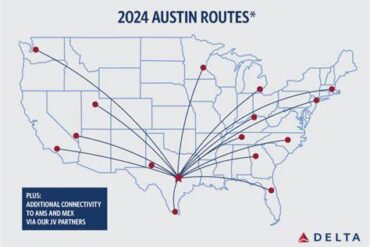
Delta Air Lines continues operating the route using its Airbus A319 fleet while preserving its planned winter frequencies. The carrier offers a consistent schedule throughout December and January, giving travelers another full-service option that includes premium cabin seating and network connectivity.
Meanwhile, Southwest Airlines remains well positioned to capture additional leisure demand. Operating its familiar Boeing 737-700 aircraft, Southwest continues offering multiple departures throughout the season, including expanded service during December before modestly reducing frequencies in January.
With one major competitor dramatically reducing service, both Delta and Southwest may benefit from increased passenger loads while gaining additional pricing flexibility during one of the year’s busiest travel periods.
For consumers, however, reduced competition generally means fewer available seats across the market, especially during peak holiday weeks when flights frequently sell out well in advance.
A Broader Shift in American’s Austin Strategy
The Los Cabos reduction reflects a broader evolution in American Airlines’ approach to Austin rather than an isolated route adjustment.
Several years ago, the airline invested heavily in expanding operations at Austin-Bergstrom, seeking to establish the airport as an important focus city. Numerous domestic and international routes were added as the carrier attempted to strengthen its competitive position against rivals.
However, maintaining rapid expansion in a highly competitive environment has proven challenging. Multiple airlines have aggressively pursued Austin’s growing passenger base, creating intense competition across several leisure and business markets.
Rather than continuing to compete aggressively on every route, American has increasingly concentrated resources on markets offering stronger financial performance while relying more heavily on its established hub airports for network connectivity.
The Los Cabos reduction appears consistent with that broader strategy. Instead of dedicating multiple 737-800 aircraft to seasonal leisure flying, the airline can redeploy those aircraft to routes where demand, yields, or operational efficiency better support profitability.
What the Capacity Reduction Means for Austin Travelers
For Central Texas passengers planning winter vacations, the practical effects are likely to become noticeable long before departure dates arrive.
With nearly 19,000 seats disappearing from the market, nonstop availability becomes significantly more limited. Travelers may encounter higher fares during Thanksgiving, Christmas, and New Year travel periods as remaining flights fill more quickly.
Some passengers may also choose connecting itineraries through larger airline hubs instead of nonstop service from Austin. Others may shift their bookings entirely to Delta or Southwest, both of which retain substantially larger schedules than American for the upcoming winter season.
Although Austin-Bergstrom continues to rank among America’s fastest-growing airports, the situation demonstrates that rapid passenger growth does not guarantee permanent airline expansion. Carriers continue evaluating profitability on a route-by-route basis and remain willing to make significant adjustments whenever market performance falls short of expectations.
American Airlines’ decision to remove nearly 18,920 seasonal seats underscores how quickly network strategies can change. While Los Cabos remains an attractive winter destination, the competitive landscape has shifted dramatically, leaving fewer nonstop options, increased pressure on remaining carriers, and a winter travel market that may become both more crowded and more expensive for Austin-area travelers.