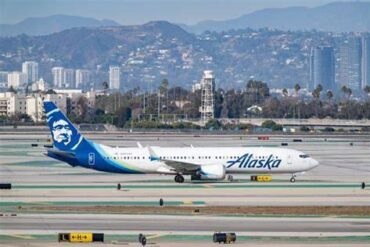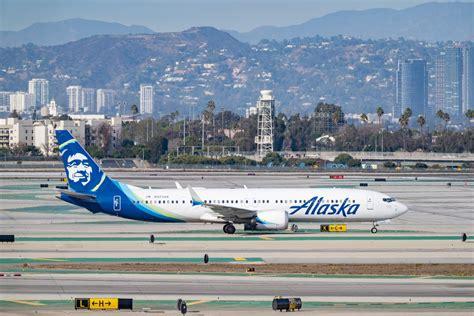
Alaska Airlines has scaled back its planned expansion into Mexico by removing four seasonal routes that had been scheduled to launch during the winter 2026-2027 travel period. The decision affects flights from Los Angeles, Las Vegas, and San Francisco to some of Mexico’s most popular leisure destinations, signaling a shift in the carrier’s approach to seasonal demand across the West Coast. The changes were first highlighted by aviation observers and involve both mainline Boeing 737 operations and regional services operated by SkyWest Airlines under the Alaska Airlines brand.
The withdrawn routes had been designed to strengthen Alaska’s presence in Mexico during the peak winter tourism season, when travelers from colder parts of the United States typically head south in search of warmer weather. Although the flights were still months away from launching, schedule adjustments of this kind are common as airlines continuously reassess demand forecasts, fleet allocation, and competitive conditions before committing aircraft to new markets.
The move affects services linking Los Angeles International Airport, Harry Reid International Airport, and San Francisco International Airport with Cancun, Puerto Vallarta, Los Cabos, and Loreto. Together, the four routes would have provided sixteen weekly departures and expanded Alaska’s leisure footprint across several important West Coast gateways.
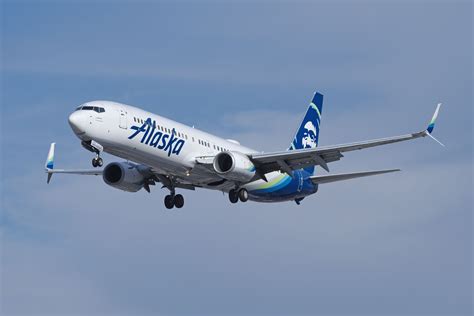
Alaska Airlines Removes Four Planned Mexico Services
The most prominent cancellation involves the daily Los Angeles-to-Cancun route, which had been scheduled to operate between November 21 and May 12 using Boeing 737 aircraft. Cancun remains one of Mexico’s most significant tourism hubs and attracts millions of visitors annually from the United States, Canada, and Europe. Alaska had intended to tap into that demand with year-round connectivity through Southern California, but the route has now disappeared from future schedules.
Las Vegas also lost two planned services. One was a daily connection to San José del Cabo, while the other was a weekly Saturday operation to Puerto Vallarta. Both routes were expected to rely on Embraer E175 regional jets flown by SkyWest Airlines. Those aircraft provide flexibility on routes that may not require the seating capacity of larger narrowbody aircraft, allowing Alaska to expand into leisure markets with lower operational risk.
Meanwhile, San Francisco will no longer gain the planned seasonal route to Loreto. The service had been scheduled to begin in January and operate weekly through April with Boeing 737 aircraft. Although Loreto attracts far fewer passengers than Cancun or Los Cabos, the destination has built a loyal following among travelers seeking a quieter alternative to Mexico’s larger resort areas.
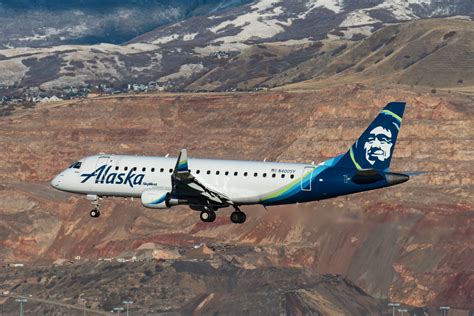
Major Mexican Tourist Markets Remain Important
Despite the cancellations, the affected destinations continue to represent some of Mexico’s strongest tourism markets. Cancun International Airport handles more than thirty million passengers annually and remains one of Latin America’s busiest airports. Los Cabos and Puerto Vallarta have also experienced substantial growth thanks to steady demand from North American travelers.
Tourism continues to drive these regions, with visitors from the United States accounting for a large share of arrivals. Winter travel traditionally generates especially strong demand as vacationers seek beach destinations with reliable weather and extensive resort infrastructure.
Loreto, by comparison, serves a much smaller market. The airport handles only a fraction of the traffic seen at Cancun or Los Cabos, yet it has developed a reputation for eco-tourism, sport fishing, and a more relaxed atmosphere. The planned San Francisco route would have given travelers direct access to one of Baja California Sur’s lesser-known destinations.
Aircraft Allocation Played A Key Role
The withdrawn services involved a combination of Alaska Airlines mainline aircraft and regional operations. Boeing 737 jets were assigned to the Los Angeles-Cancun and San Francisco-Loreto routes, reflecting the airline’s reliance on its narrowbody fleet for medium-haul international markets.
Regional operations from Las Vegas were set to be handled by SkyWest Airlines with Embraer E175 aircraft. These jets are commonly used throughout Alaska’s network and provide the airline with the ability to maintain service on lower-density routes without committing larger aircraft.
The mix of aircraft illustrates Alaska’s broader strategy of tailoring capacity to specific markets. Larger destinations generally support mainline operations, while emerging or seasonal routes can be tested through regional partnerships before potentially receiving expanded service.

West Coast Strategy Continues To Evolve
Alaska Airlines remains heavily focused on its West Coast network, with Seattle serving as its primary hub. Los Angeles and San Francisco function as important gateways for both domestic connections and international leisure traffic, while Las Vegas supports targeted seasonal demand.
The now-canceled Mexico routes fit neatly into that strategy. Daily service from Los Angeles to Cancun would have targeted one of the strongest leisure markets in North America, while Las Vegas flights to Puerto Vallarta and Los Cabos were intended to capture vacation traffic during peak winter months. The weekly San Francisco-Loreto route represented a niche opportunity aimed at travelers seeking a less crowded destination.
Although these four routes will no longer launch, the adjustments demonstrate how airlines continuously refine their networks to match market realities. Alaska Airlines continues to prioritize efficient aircraft utilization and selective growth, ensuring that future expansion aligns with demand patterns and broader operational objectives. As competition in international leisure markets intensifies, flexibility remains an essential part of the airline’s long-term strategy.