Frequent flyers navigating the golden skies of California often face a luxurious dilemma: San Francisco International Airport (SFO) or Los Angeles International Airport (LAX) — which United Club Lounge truly elevates the travel experience? While both serve United Airlines loyalists with premium amenities and polished aesthetics, their offerings diverge drastically in design philosophy, space utilization, ambiance, and traveler satisfaction. This in-depth analysis dives deep into each lounge’s characteristics, traveler feedback, and operational nuances to determine which one deserves your loyalty.
The Battle of Design: Architecture and Layout
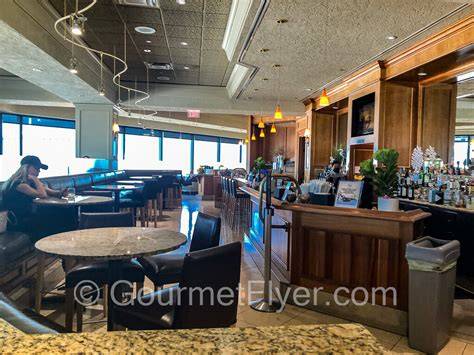
At SFO, travelers encounter three United Clubs spread across Terminal 3 East, Terminal 3 Rotunda (Concourse F), and International Terminal G. The standout is undoubtedly the Rotunda Lounge, an elegantly designed hub echoing United’s historic West Coast legacy. This space offers grand marble interiors, iconic art deco design cues, and a hushed, museum-like environment ideal for productivity and relaxation.
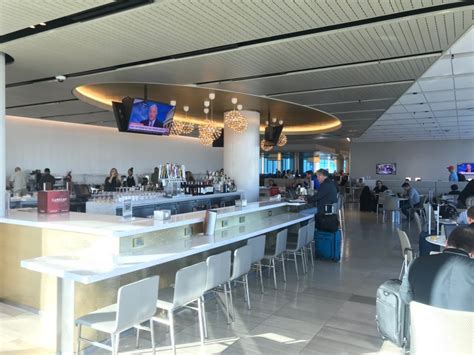
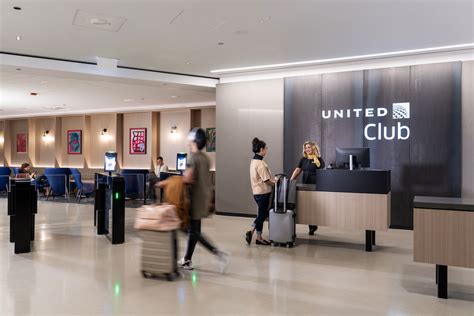
Meanwhile, LAX counters with a single yet immensely spacious United Club in Terminal 7, redesigned in 2019 to handle soaring passenger volumes. The 20,000 sq ft layout is visually commanding, featuring high ceilings, open seating pods, a sprawling buffet, and a signature tarmac-facing terrace.
Ambiance: Tranquility vs. Traffic
SFO’s clubs cater to travelers craving calm. Natural lighting, scenic concourse views, and acoustic insulation create a refined environment perfect for business travelers or long-haul flyers waiting for international departures. The Terminal 3 Rotunda lounge especially attracts rave reviews for its meditative quiet zones and polished interior features.
In contrast, LAX presents a livelier ambiance, more akin to a busy airport hub’s pulse. Its layout accommodates more people, but that advantage comes with trade-offs — louder environments, more foot traffic, and longer waits at food stations. Still, its energy can feel invigorating to business travelers accustomed to terminal commotion.
Food & Beverage Quality: Local Flair or Hot Buffet?
Here, preferences split. SFO excels in offering artisanal food, featuring local bakery selections, barista-poured coffee, and lighter fare like seasonal salads and organic snacks. It’s a nod to Northern California’s culinary ethos — refined, fresh, and locally inspired.
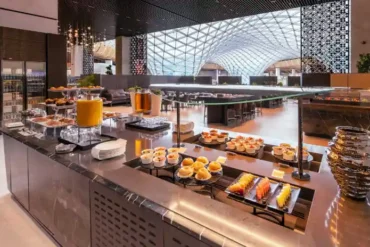
LAX shines with its hot buffet, widely considered one of the best among United’s domestic lounges. Morning spreads include fresh eggs, sausages, and pancakes, while lunch and dinner rotate between noodle bars, pasta stations, and savory entrees. The lounge also features self-service craft beer taps, a favorite among regulars.
Productivity & Workspace Design
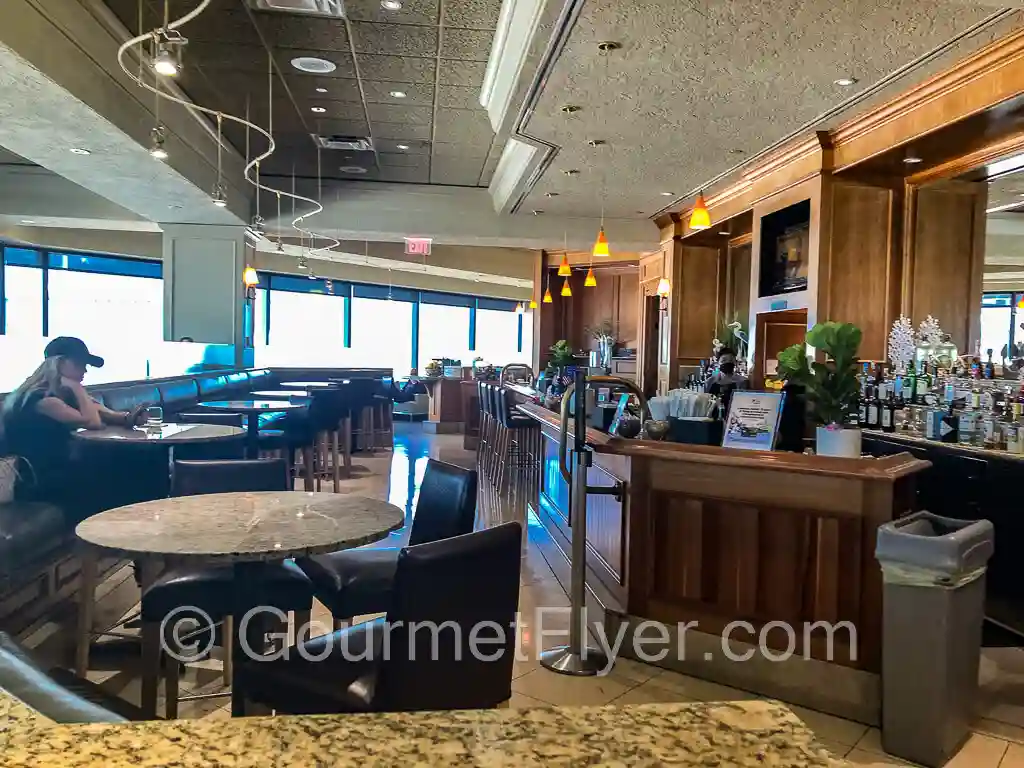
For those working while waiting, SFO offers distinct advantages. The café-style seating in quiet alcoves encourages laptop usage and conference calls. Private corners with charging ports let travelers hunker down without distraction.
LAX, on the other hand, caters to volume over privacy. The seating layout, while generous and filled with charging stations, is more communal and open. That means fewer options for solo working travelers or those requiring quiet zones.
Access Rules, Memberships, and Ticketing Perks
Both clubs follow United’s standard access policies: open to United Club members, Star Alliance Gold holders, premium cabin flyers, and select United credit card holders. But key operational differences affect user experience.
At SFO, the Rotunda Lounge benefits from full-service ticketing desks. Travelers dealing with flight changes or cancellations can get hands-on assistance without leaving the lounge. That’s a major asset during irregular operations.
At LAX, while agents are available, their setup mirrors standard terminal check-in stations — efficient but not concierge-level.
Square Footage and Seating Volume
The size and scale play a massive role in comfort:
- LAX United Club: 20,000 sq ft, featuring a terrace, extensive buffet, and high-capacity seating.
- SFO United Club (Rotunda): 15,000 sq ft, lacking an outdoor terrace but winning with architectural design and low crowd density.
While LAX offers more seats, that doesn’t always translate to comfort. Peak hours at LAX can feel chaotic, especially around meal times. SFO’s smaller footprint, though potentially limiting during global events or wide-body arrivals, often results in a more composed setting.
Traveler Reviews and Industry Recognition
A scan of expert commentary paints a nuanced picture. Live and Let’s Fly hails LAX’s United Club as “a domestic standout,” praising the post-pandemic layout and buffet. Gourmet Flyer, on the other hand, argues that SFO’s Rotunda Lounge retains an unmatched grandeur, dubbing it the finest non-Polaris lounge in the United system.
Travelers on Reddit’s r/unitedairlines community offer firsthand, unfiltered insight:
- SFO is praised for its peaceful vibe, high-end feel, and attentive staff.
- LAX draws admiration for its buffet variety, terrace, and seating availability, but suffers critique for noise and long lines.
Renovation Timelines and Upgrades
The LAX United Club underwent a major redesign in 2019, reflecting its growing role as a domestic and international connector. The expansion added more food stations, outdoor space, and upgraded furniture.
SFO’s last major update came in 2022, bringing modern furniture, upgraded lighting, and digital enhancements across its Terminal 3 lounges. These updates modernized the experience while preserving the Rotunda’s classical design, keeping it competitive with newer lounges.
Operational Hours & Access Constraints
- LAX Terminal 7 United Club: Open from 6:30 AM to 10:30 PM, reliably consistent throughout the week.
- SFO United Clubs: Vary by concourse, with some locations closing by midday. Terminal 3 Rotunda usually operates between 5:00 AM and 12:00 PM, though early closures on weekends can impact late-night travelers.
Travelers with late departures or connections might prefer LAX for its wider access window. However, SFO’s clubs offer a more personalized, morning-heavy experience.
Who Should Choose Which Lounge?
- Choose SFO if your priority is calm, design, or working time. It’s ideal for international travelers with long layovers, writers, executives, or those seeking service continuity.
- Choose LAX if you need efficient throughput, reliable food, or are traveling at peak business hours. It suits domestic flyers, families, and business travelers transiting quickly.
Shortcomings and Caveats
Despite their prestige, both lounges have drawbacks:
- SFO: Can feel cramped during international surges, limited buffet, reduced hours.
- LAX: Loud during meal rushes, occasional service lags at the bar, limited privacy.
Loyalty status also affects experience. For instance, Polaris ticket holders are redirected to United’s Polaris Lounge, meaning they miss out on the Rotunda’s charm — but receive a more exclusive experience elsewhere.
Final Verdict: Which Lounge Takes the Crown?
San Francisco’s United Club at Terminal 3 Rotunda is a sanctuary — polished, serene, and visually stunning. If you seek service finesse and a quiet moment between flights, this is your haven.
Los Angeles’ Terminal 7 United Club is a workhorse lounge — grand in scale, vibrant, and equipped with a buffet that puts others to shame. If you thrive in high-energy environments with ample seating and robust food, this is your spot.
Ultimately, the best lounge hinges on your travel rhythm. For the solo traveler wanting solitude, SFO Rotunda wins. For the family or frequent flyer moving fast, LAX leads the way. Either way, United’s West Coast presence delivers a lounge experience that’s leagues above standard terminal fare.
Fly smart. Lounge smarter.