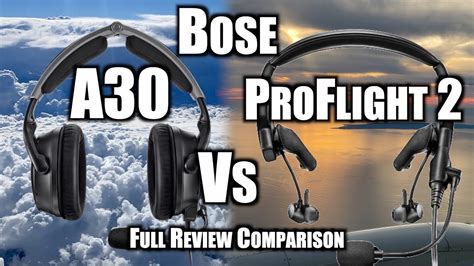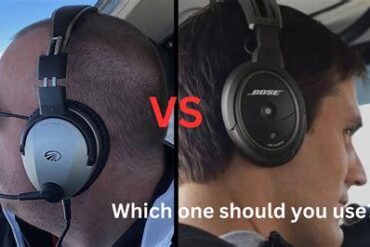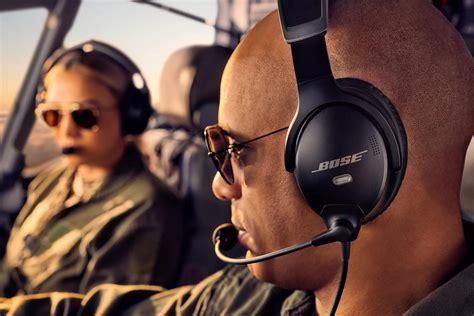
When it comes to cockpit comfort and acoustic performance, few names resonate as powerfully as Bose. For commercial pilots—especially those flying the Boeing 737, whether NG, Classic, or MAX—the choice between the Bose A30 and ProFlight Series 2 is not just a matter of preference; it’s a commitment to hours of audible clarity, pressure point ergonomics, and in-flight ease. While both models deliver Bose’s signature active noise reduction (ANR), they serve two very different cockpit philosophies.
The Bose A30, successor to the widely beloved A20, is an over-the-ear headset designed to maximize acoustic isolation, comfort, and durability. On the other hand, the ProFlight Series 2 is an in-ear model, built with a pilot’s long-haul endurance and minimal headwear bulk in mind. Understanding the subtle but meaningful differences between the two is vital—especially for those working multiple sectors per day in a high-noise environment like the 737.
Design Philosophy and Comfort: The Anatomy of Wearability
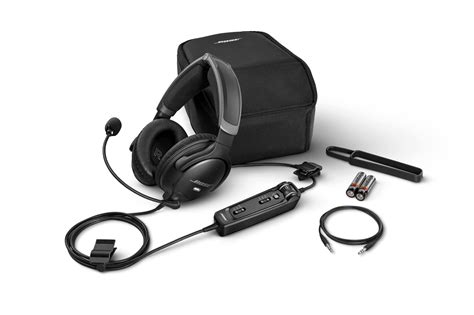
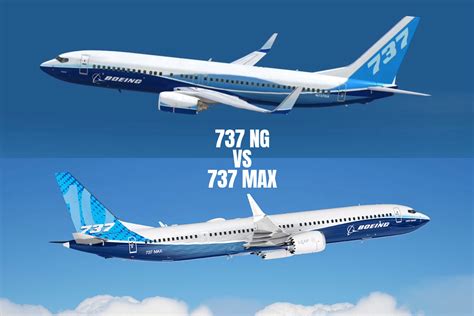
In terms of wearable ergonomics, these two headsets could not be more different. The A30 is robust and confidently engineered for those who prefer a tactile over-the-ear experience. It features plush ear cups, moderate clamp pressure, and a familiar design reminiscent of consumer noise-cancelling headphones—but with a rugged, aviation-focused twist. This headset is an excellent choice for pilots flying older 737 variants like the NG series, where the ambient noise levels are notably higher than newer MAX cockpits.
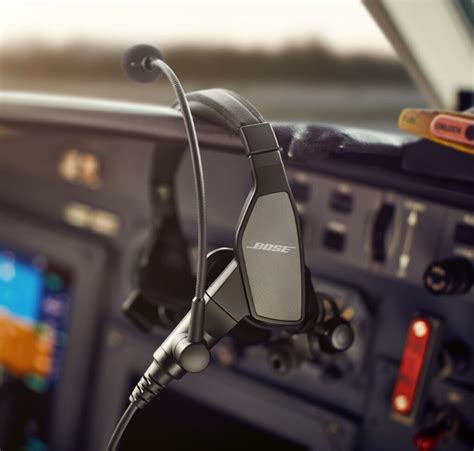
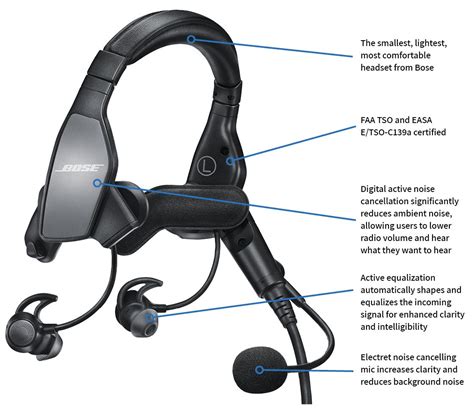
In contrast, the ProFlight Series 2 appeals to pilots who prioritize lightweight, low-profile gear. Designed to rest gently on the head with minimal frame pressure, the ProFlight uses custom-molded ear inserts for a personalized in-ear seal. The tradeoff, however, is its perceived flimsiness. Several 737 captains noted the headset’s lower material density compared to the A20/A30, which may affect its perceived durability during quick turnarounds or while stowed in flight bags.
Noise Reduction Capabilities: Active vs Passive Expectations
This is where the A30 clearly dominates. Its over-ear architecture creates a naturally better seal, allowing for deeper passive noise attenuation, especially in high-decibel environments such as legacy 737 NG models without vortex generators. Combined with its new customizable ANR modes—low, medium, and high—the A30 allows pilots to tailor noise suppression according to operational needs.
The ProFlight, while also offering three ANR levels, performs slightly below the A30 in raw attenuation, especially when the cockpit noise threshold exceeds 90 dB SPL, such as during takeoff roll or early climb-out phases. That said, in the quieter flight decks of the 737 MAX, the ProFlight’s performance holds up impressively well. Pilots often noted that they could fly without even enabling ANR at cruise altitude, relying solely on the ear insert’s passive seal.
Weight, Mobility, and Daily Practicality
One of the biggest selling points for the ProFlight is its featherlight frame, weighing in at just 4.5 ounces (128g). This makes a significant difference during long haul sectors or multi-leg days, especially when the headset is worn for extended durations. The ProFlight can be discreetly worn under caps or even sunglasses without discomfort—something the A30, with its larger frame and clamp pressure, can’t match as elegantly.
Conversely, the A30, although heavier at 14.2 ounces (403g), is notably more robust, better suited to the rigors of fast cockpit operations. If your day includes frequent headset removals, repositioning for PA calls, or rapid turnarounds, the A30’s over-ear design and easy deployment might be the more practical choice.

Audio Fidelity and Communication Clarity
When it comes to audio quality, both headsets deliver exceptional VOX clarity, but the A30 pulls ahead in dynamic range and speech articulation. The over-ear cups provide richer bass response and better voice isolation, making it ideal for pilots who multitask with Bluetooth music streaming or podcasts during cruise.
Meanwhile, the ProFlight Series 2 maintains adequate microphone quality and reliable sidetone, though some pilots noted that transmissions can sound thinner, especially in windier or less insulated cockpit environments. Nevertheless, the Bluetooth integration on both models allows seamless switching between audio sources and intercom, a feature praised across numerous pilot reviews.
Storage, Portability, and Flight Bag Footprint
Space constraints are a real concern for airline pilots, and the ProFlight Series 2 has the edge here. Its compact hard shell case is notably smaller than the A30’s, allowing for better storage in 737 side consoles or standard-issue flight bags. Despite this, the ProFlight case is wider due to its hard-shell nature, though still easier to accommodate overall.
The A30, while bulkier, is purpose-built for durability and protection. Its clamshell case provides extra padding for those flying across variable climates or high-volume duty cycles where gear gets stowed and retrieved multiple times per shift.
Use Case Differentiation: Flying Style Matters
Several pilots pointed out that the headset choice often comes down to individual workflow and sensory preference. For pilots accustomed to earbuds or in-ear monitors in their daily lives, the ProFlight Series 2 feels more natural. But for those who prefer a completely immersive auditory experience, the A30’s deep cup design provides a more secure, encompassing sound environment.
For 737 operators flying MAX variants, where ambient noise is significantly reduced, the ProFlight may be all the headset you need. But on the louder 737-800 or Classic models, the A30’s superior noise isolation becomes more critical—especially for pilots with tinnitus or those requiring maximum ear protection over multi-sector days.
Build Quality and Longevity
Durability and build finish also make a difference. The A30’s reinforced plastic, aluminum pivots, and cushioned headband offer long-term resilience. Pilots who previously used the A20 noted that the A30 inherits much of its predecessor’s rugged design ethos while being even more comfortable and slightly lighter.
By contrast, some users reported that the ProFlight Series 2, while innovative, felt “delicate” and better suited for careful handling. Pilots working tight turnarounds or exposed to rapid cockpit transitions may find the A30 more forgiving in rough handling scenarios.
Final Verdict: Which One Should You Buy?
There is no universal winner between the Bose A30 and ProFlight Series 2—the decision ultimately depends on flight operation type, personal comfort, and environmental noise exposure. That said, here’s a distilled evaluation:
-
Choose the Bose A30 if you:
- Fly older 737 models with higher noise profiles
- Prefer over-the-ear comfort and deeper sound isolation
- Require maximum durability and rapid headset deployment
-
Choose the Bose ProFlight Series 2 if you:
- Operate 737 MAX or newer jets with quieter cockpits
- Prefer in-ear designs and ultra-lightweight equipment
- Need compact storage and extended wear without fatigue
Whichever path you take, both models represent the pinnacle of aviation headset technology, bearing the hallmark precision and acoustic mastery that only Bose can deliver.