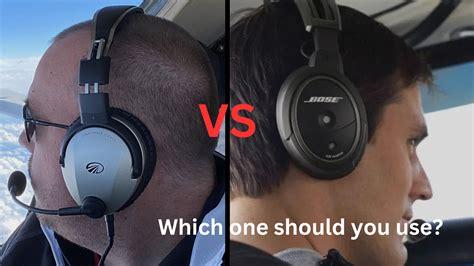
When it comes to aviation headsets, pilots are faced with critical decisions that impact not only comfort but also safety and communication clarity. Among the leading contenders, the Lightspeed Zulu 3, Lightspeed Delta Zulu, and Bose A20 stand out as premium choices. Each headset offers unique advantages, and understanding their nuances is essential for making an informed decision.
Introduction to Aviation Headset Evolution
The aviation headset market has evolved significantly over the past decade, with technological advancements focusing on enhancing noise reduction, communication clarity, comfort, and pilot safety. While Bose historically dominated with their highly regarded A20, Lightspeed has innovated aggressively, introducing the Zulu 3 and the recently launched Delta Zulu, each boasting distinctive upgrades.
Lightspeed Zulu 3: Rugged Reliability and Comfort
The Lightspeed Zulu 3 has been a dependable choice for pilots seeking a balance between quality and durability. Built with Kevlar-reinforced cables and a solid magnesium earcup frame, the Zulu 3 exhibits exceptional resilience. In everyday use, pilots consistently report that the Zulu 3 holds up better over time compared to the Bose A20.
Comfort is another key strength. The low-profile ear seals and lightweight frame ensure minimal fatigue during long flights. The Active Noise Reduction (ANR) is highly effective, even if marginally behind the A20 in pure noise cancellation. However, for many, the durability and tactile solidity make the slight compromise worthwhile.
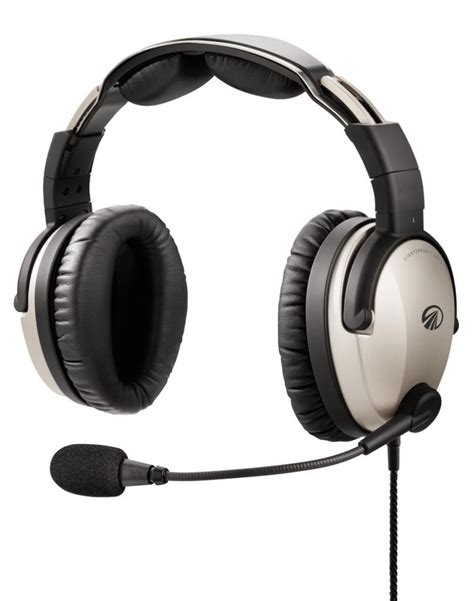
Additionally, the Zulu 3’s audio quality is excellent, with crisp sound reproduction and a well-tuned microphone for crystal-clear transmission. It remains one of the most solid investments for private pilots and professionals alike.
Lightspeed Delta Zulu: Cutting-Edge Innovation and Safety
The Lightspeed Delta Zulu represents a leap forward, integrating state-of-the-art technology designed not only to improve pilot experience but also to enhance in-flight safety.
One of the standout features is the integrated carbon monoxide (CO) sensor. Carbon monoxide exposure is a silent threat in aviation, and having a built-in detection system could be life-saving. Pilots renting aircraft or flying older models particularly appreciate this feature, as traditional cockpit CO monitors are often unreliable.
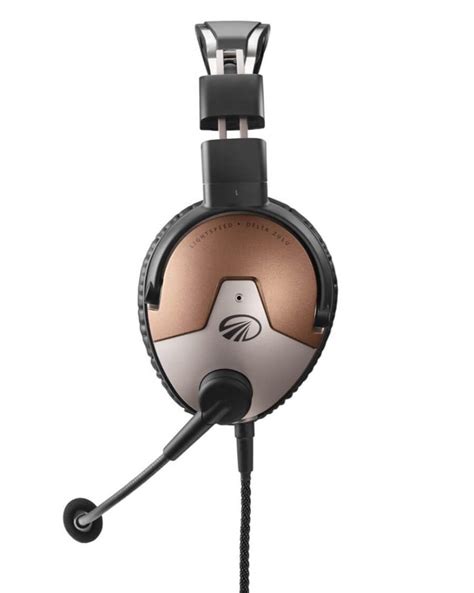
Another major innovation is the HearingEQity™ system. This adaptive technology customizes audio output based on the pilot’s personal hearing profile, obtained through a proprietary hearing test available via the Delta Zulu app. For pilots with hearing impairments, such as age-related high-frequency loss, this feature is transformative, restoring clarity and reducing the need for hearing aids during flight.
Battery management also sees an upgrade. While the Delta Zulu uses an internal rechargeable lithium-ion battery, offering long operational hours, it introduces a slight inconvenience with a proprietary UAC connector instead of the more ubiquitous USB-C. A backup 2xAA battery pack is available, though it provides reduced battery life.
Comfort-wise, the Delta Zulu maintains the Zulu 3’s standards but feels slightly tighter due to its newness and improved ear seals, ensuring better passive noise isolation.
The audio recording function via the Delta Zulu app also enables pilots to record intercom and radio conversations, an invaluable tool for flight training and review.
Bose A20: Timeless Quality with Aging Technology
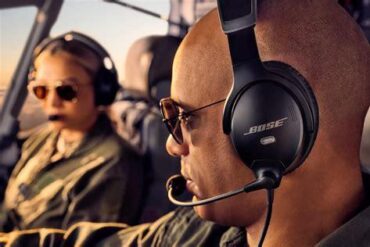
The Bose A20 has long been a benchmark for aviation headsets, praised for its superior noise cancellation and comfort. Bose’s ANR technology is often regarded as the gold standard, providing slightly better noise reduction than the Zulu 3 and comparable results to the Delta Zulu.
Build quality, while generally good, is not as rugged as the Zulu 3. Pilots report that while the A20 offers plush comfort with its soft cushions and lightweight construction, it does not endure physical wear as robustly over time.
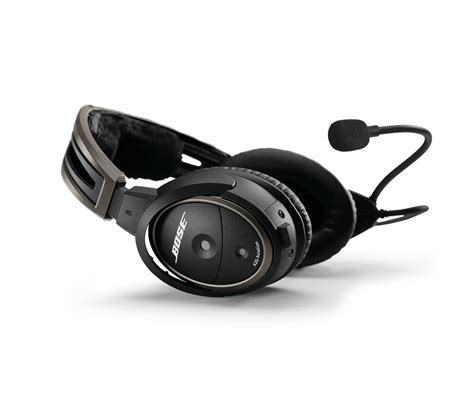
Battery management in the A20 relies on two AA batteries, a system that, while simple, requires regular replacements, especially for pilots flying long hours. It lacks modern features like a built-in CO sensor, hearing customization, or recording capabilities, areas where the Delta Zulu shines.
The A20’s microphone and audio fidelity remain excellent, offering rich sound clarity that supports effective communication even in high-noise environments. However, given its aging platform and higher price point, many pilots are beginning to question its long-term value proposition compared to newer models.
Performance Showdown: Zulu 3 vs Delta Zulu vs Bose A20
When evaluating these headsets across critical performance areas, distinct strengths and weaknesses emerge:
Noise Reduction:
- Bose A20: Superior, slightly better than Zulu 3 and Delta Zulu.
- Delta Zulu: Nearly on par with A20; upgraded from Zulu 3.
- Zulu 3: Excellent but marginally behind A20.
Comfort:
- Bose A20: Exceptional comfort, especially for long flights.
- Zulu 3: Very comfortable, slightly heavier feel.
- Delta Zulu: Similar to Zulu 3, initially tighter fit.
Build Quality:
- Zulu 3: Outstanding durability.
- Delta Zulu: Premium construction with new tech components.
- Bose A20: Comfortable but less durable.
Battery and Power Management:
- Delta Zulu: Internal rechargeable battery; optional AA backup.
- Zulu 3: Standard AA batteries.
- Bose A20: Standard AA batteries.
Technology and Features:
- Delta Zulu: CO detector, HearingEQity™, recording app.
- Zulu 3: Simpler feature set, reliable basics.
- Bose A20: Basic, no modern tech enhancements.
Real-World Pilot Experiences
Private pilots transitioning from Lightspeed Sierra headsets often find the Zulu 3 or Delta Zulu to be a logical upgrade, offering improved noise cancellation and build quality. The Zulu 3 has earned a reputation for lasting toughness, often surviving years of daily use with minimal degradation.
Pilots who have moved from the Zulu 3 to the Delta Zulu praise the premium feel and the addition of safety features. The CO monitor is repeatedly highlighted as a must-have, especially among those renting or operating legacy aircraft.
For Bose users, while satisfaction remains high, there is growing concern over the lack of updates to the A20 line. Some pilots have expressed that the Delta Zulu’s innovations could push Bose to release a successor soon, suggesting that the A20’s reign might be nearing its twilight.
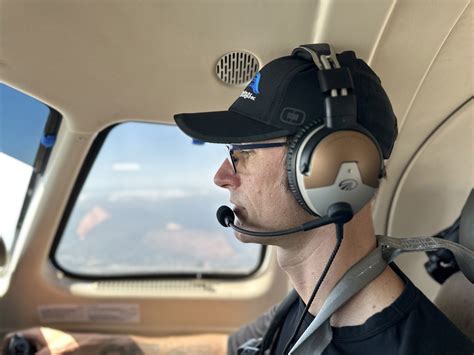
Older pilots with hearing loss have found the Delta Zulu’s HearingEQity™ system revolutionary, allowing them to fly without hearing aids, significantly enhancing comfort and clarity.
Verdict: Which Headset Reigns Supreme?
Choosing between the Lightspeed Zulu 3, Lightspeed Delta Zulu, and Bose A20 ultimately depends on pilot priorities.
Pilots valuing ruggedness, simplicity, and proven reliability may find the Zulu 3 an unbeatable choice. It delivers on all fronts without the complexities of newer technologies.
Those seeking state-of-the-art innovation, personal safety features, and hearing customization will gravitate towards the Delta Zulu. Despite minor drawbacks like proprietary charging, the Delta Zulu is arguably the most forward-looking aviation headset available today.
Traditionalists and those prioritizing maximum noise cancellation with plush comfort might still prefer the Bose A20 — at least until Bose unveils a successor.
For the discerning pilot in 2025, the Lightspeed Delta Zulu emerges as the most complete, forward-thinking headset, embodying a commitment to not just enhance the flying experience but to safeguard it.