US Air Force Fighter Pilot Height Requirements Explained
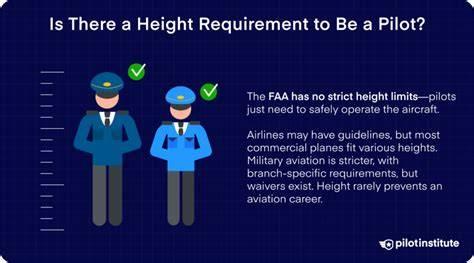
For decades, aspiring military aviators wondered whether their height could prevent them from flying some of the world’s most advanced fighter jets. The image of a fighter pilot often suggests a specific physical profile, but the reality is more complicated. The US Air Force does not use a single height limit that automatically prevents someone from becoming a fighter pilot. Instead, it evaluates whether each candidate can safely operate a specific aircraft.
Modern fighter aircraft, including platforms such as the F-35 Lightning II, F-22 Raptor, and other high-performance jets, are designed with advanced cockpit systems. Because every pilot has different body proportions, the Air Force focuses on detailed measurements rather than simply looking at a person’s overall height.
Why Height Alone Does Not Decide Fighter Pilot Eligibility
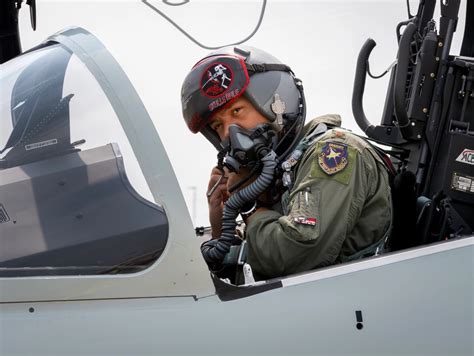
The reason height is not the only factor is that cockpit compatibility depends on several physical measurements. A pilot must be able to see clearly over the instrument panel, reach important controls, and operate pedals and flight systems without restrictions. A person’s sitting height, leg length, arm reach, and eye position can matter more than their total height.
The Air Force’s screening process examines measurements such as sitting eye height, which determines whether a pilot can maintain proper visibility inside the cockpit. Leg length is also important because a pilot’s knees and feet must not interfere with aircraft controls. These requirements ensure that pilots can safely handle emergency procedures and normal flight operations.
Historically, the Air Force used broader height guidelines for pilot applicants. Before 2020, candidates generally needed to fall within a range of about 5 feet 4 inches to 6 feet 5 inches tall, with specific sitting height limits. Applicants outside those measurements could request a waiver, but the process could create barriers for otherwise qualified candidates.
The Air Force Removed Blanket Height Restrictions
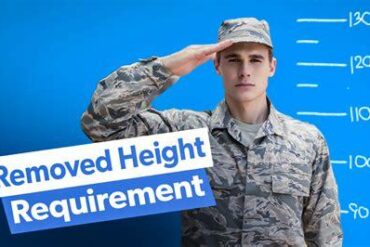
In 2020, the Air Force removed its traditional height restrictions for pilot candidates. The decision was designed to expand the pool of qualified applicants while maintaining strict safety standards. Instead of eliminating candidates based only on height, the service shifted toward individualized assessments.
This change was especially important as the Air Force faced challenges maintaining enough qualified pilots. By focusing on actual cockpit compatibility, the service could consider more candidates while still ensuring that every pilot met operational requirements.
However, removing the height limit does not mean that every applicant will automatically qualify. Candidates must still satisfy demanding physical, academic, and professional standards before earning the opportunity to fly advanced military aircraft.
Other Requirements to Become a US Air Force Fighter Pilot
Height is only one small part of the selection process. Fighter pilot candidates must complete a long and highly competitive path that includes earning a bachelor’s degree, becoming an Air Force officer, and completing specialized flight training.
Applicants may enter through the US Air Force Academy, Air Force Reserve Officer Training Corps (ROTC), or Officer Training School. They must also pass the Air Force Officer Qualifying Test, complete medical evaluations, undergo background investigations, and meet Department of Defense aviation standards.
Vision requirements, physical fitness standards, and overall health evaluations remain important parts of the process. While wearing corrective lenses does not automatically prevent someone from applying, candidates must meet established aviation vision criteria.
The Real Answer: How Tall Is Too Tall for a Fighter Jet?
The answer is that there is no universal maximum height for flying a US Air Force fighter jet. A person may be taller or shorter than traditional expectations and still qualify if their body measurements allow safe aircraft operation.
The cockpit, not the measuring tape, ultimately determines eligibility. The Air Force’s approach recognizes that successful fighter pilots are defined by much more than height. Skills, discipline, decision-making ability, physical readiness, and the ability to perform under extreme conditions remain the most important factors in becoming a military aviator.