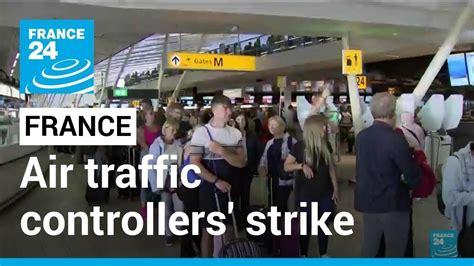
Tens of thousands of travelers were left stranded, rerouted, or scrambling for alternatives on Friday, July 4, 2025, as a major strike by French air traffic controllers brought widespread disruption to airports across France. The walkout, driven by demands for better working conditions, coincided with the kickoff of Europe’s peak summer travel period, intensifying the impact across the aviation network.
Chaos Unfolds Across France’s Major Airports
By Friday morning, the French Civil Aviation Authority ordered airlines to cancel 40% of flights at Charles de Gaulle, Orly, and Beauvais airports—all critical air hubs serving Paris. The chaos extended far beyond the capital. In Nice, the cancellation rate climbed to 50%, while Marseille, Lyon, and other regional airports saw around 30% of flights grounded. Despite these proactive cancellations, authorities warned of long delays, terminal congestion, and last-minute schedule changes.
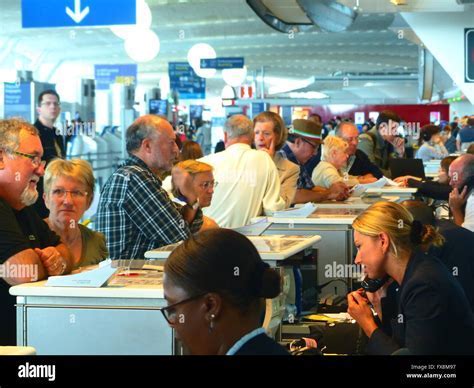
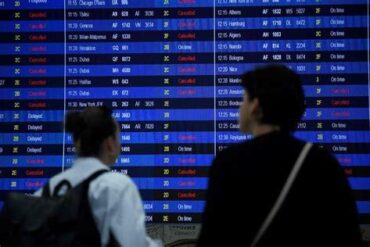
The departure boards at major airports were a patchwork of red alerts: “Delayed,” “Cancelled,” “Rebooked.” Flights to destinations across Europe, North Africa, and even long-haul international routes were affected. The ripple effects were swift, hitting not only French domestic travel but also any aircraft crossing French airspace, as all flights must coordinate with the French air traffic system even if not landing or departing in France.
Ryanair and Airlines Across Europe Hit Hard
Among the worst hit was Ryanair, Europe’s largest low-cost carrier. The airline reported the cancellation of over 400 flights, affecting more than 70,000 passengers. In a sharply worded statement, Ryanair slammed the disruption and urged the European Commission to enforce reforms, arguing that such strikes in a single country’s airspace disproportionately affect the entire continent.
“We are once again being held hostage by French ATC unions,” said Ryanair’s spokesperson. “Passengers flying over France but not even landing in the country are suffering for a problem they have no part in.”
The airline’s call echoes previous campaigns pushing for the decentralization of air traffic control coordination, aiming to bypass bottlenecks during national strikes. The EU, however, has long struggled to enforce unified oversight over such a heavily sovereignty-sensitive infrastructure.
Behind the Strike: Staff Shortages, Inflation, and Oversight Reforms
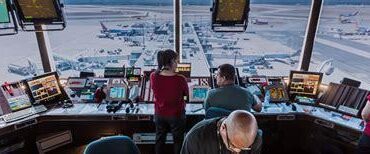
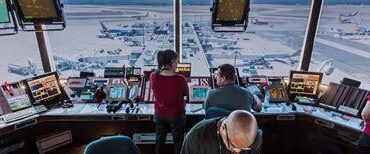
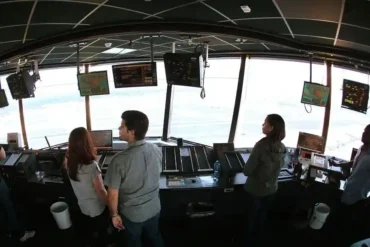
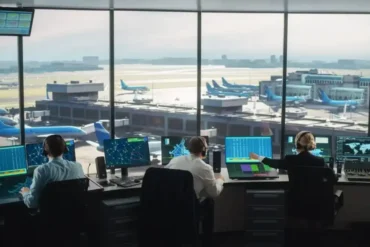
The strike, organized by major French air traffic controller unions including UNSA-ICNA, is rooted in deep frustration over staffing shortages and a perceived erosion of working conditions. Union leaders argue that the current staffing levels are insufficient to handle the post-pandemic rebound in air travel, especially during peak seasons.
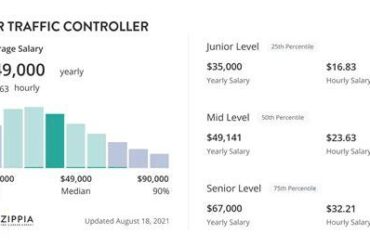
In their statement, UNSA-ICNA cited not just overwork and understaffing, but also the effects of high inflation on salaries. Many workers have seen their purchasing power diminish significantly even as the cost of living in cities like Paris and Lyon continues to rise.
Adding to the tension is the government’s recent push for increased performance monitoring, a reform that unions believe stems from a near-miss aviation incident in Bordeaux earlier this year. The proposed monitoring system would implement stricter surveillance of controller decision-making—something the unions decry as an overreach.
Passenger Frustration and Ground-Level Struggles
At Saint-Exupéry Airport near Lyon, crowds swelled at the departures hall as passengers crowded around information screens, many realizing only at check-in that their flights had been cancelled. Mariano Mignola, traveling back to Naples with his wife and children, was among them.
“We came here hoping to find a solution,” he said. “Instead, nothing. No accommodation, no alternate flight. Just chaos.”
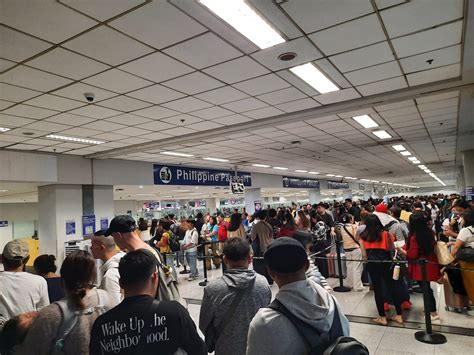
Stranded without options, Mignola expressed frustration over the lack of coordination between airlines and airport authorities. “Even getting a rental car is impossible,” he added, highlighting how the strike has led to spillover demand in other transportation sectors, from railways to car rentals.
Yet not all passengers were entirely unsympathetic. Patrick Haus, a Parisian with plans to attend a business meeting in Nice, acknowledged the legitimacy of the strike.
“In a way, I stand in solidarity with the strikers. People don’t strike for fun,” he said. “But the timing, during the first week of school holidays, is what hurts.”
Government Response: Condemnation and Limited Options
France’s newly appointed Transport Minister Philippe Tabarot called the strike and its timing “unacceptable.” In a press briefing, he expressed regret over the disruption and reiterated that the government remains open to dialogue—but only if the strike is called off.
Tabarot also emphasized the economic toll, noting that mass cancellations have damaged France’s image as a travel hub and strained the country’s already pressured transportation network. He ruled out emergency legislation to curb future strikes but hinted that airspace sovereignty reforms may become a political issue in the next legislative session.
European Travel Gridlock and Spillover Effects
The French strike is not an isolated event—it is a pressure point in a much larger continental bottleneck. As a central node in European air travel, France’s airspace serves as a key corridor for flights between Iberia, Central Europe, the UK, and North Africa. A blockage in French skies forces reroutes that burn more fuel, increase delays, and create a domino effect through airports as far as Berlin, Rome, and Athens.
Train services like TGV and Eurostar saw a sharp spike in bookings within hours of the strike announcement. However, those systems too have capacity limits and were unable to fully absorb the overflow, especially at last minute.
Business travelers, tourists, and airline staff were left juggling hotel bookings, dealing with lost luggage, and navigating overwhelmed customer service lines. The situation highlights the fragile balance of European mobility and the lack of a coherent emergency protocol for cross-border airspace disruption.
Long-Term Implications: Calls for Reform Intensify
The French strike has once again brought to the forefront the urgency for comprehensive EU-wide airspace management reform. While Single European Sky (SES) initiatives have been debated for over a decade, progress has been stalled by national interests and union resistance.
The July 2025 disruption could serve as a turning point, with airlines like Ryanair and Lufthansa expected to lobby the European Commission more aggressively in the coming months. Some analysts believe that public frustration, especially among frequent flyers and business sectors, may give political leaders the impetus to revisit SES policies.
But reforms won’t come quickly, and travelers face a potentially volatile late summer season if further industrial action follows.
Conclusion: High Stakes in the Skies
What began as a two-day walkout over labor conditions has spiraled into a national crisis with global reverberations. France’s air traffic controller strike has exposed systemic weaknesses in European aviation infrastructure and highlighted the tenuous balance between workers’ rights and public mobility.
Until more robust contingency frameworks and cross-border coordination are put in place, travelers remain vulnerable to sudden disruptions—no matter how justified the cause behind them.
The skies over France, once a gateway for millions each summer, have turned into a symbol of how deeply intertwined labor, policy, and international movement have become in the 21st century.