France has been plunged into an unprecedented travel crisis as an air traffic control strike brought operations across the country’s busiest airports to a standstill on July 3–4, 2025. With over 850 flights canceled or delayed, thousands of passengers found themselves scrambling for rebookings, alternate routes, and last‑minute accommodations during one of the busiest travel weekends of the year. This nationwide disruption has rippled through the schedules of Air France, British Airways, United Airlines, Ryanair, Air Canada, Qatar Airways, China Airlines, Lufthansa, Emirates, and dozens of other carriers, triggering a frantic response from regulators, airlines, and travelers alike.
The strike was called by members of the SNCTA (Syndicat National des Contrôleurs du Trafic Aérien) in protest of chronic staffing shortages, aging radar and communications equipment, and growing workloads that have stretched the French air traffic control system to its limits. Beginning at 0100 UTC on July 3 and scheduled to continue through 2359 UTC on July 4, the action forced the Direction Générale de l’Aviation Civile (DGAC) to implement drastic capacity cuts, capping daily movements at just 60 percent of the usual volume. The timing could not have been worse: France was at the height of its summer holiday season, with school vacations in full swing and demand for leisure and business travel soaring.
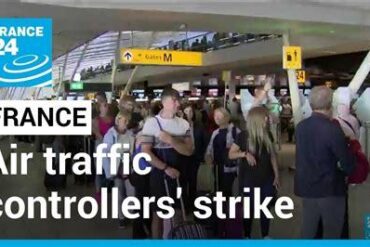
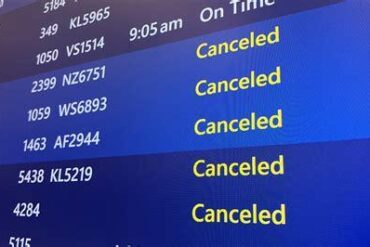
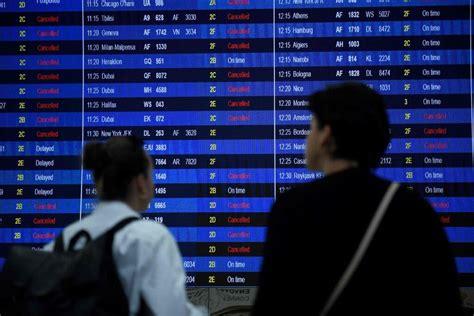
Within hours of the strike’s start, travelers encountered closed check‑in desks, jammed phone lines, and departure boards flashing endless “Canceled” and “Delayed” notices. Social media feeds flooded with photos of packed terminals, weary families sleeping on benches, and lines snaking through security checkpoints. Airline customer‑service agents worked around the clock, but the sheer scale of the strike overwhelmed even the most robust contingency plans.
Origins of the Strike and DGAC Response
The roots of this summer’s turmoil extend back several years. Despite record passenger volumes—France welcomed over 200 million air travelers in 2024—the country’s network of control centers has struggled to recruit and retain qualified staff. Controllers cite mandatory retirement ages, extensive training requirements, and high stress levels as key factors in an exodus of experienced personnel. Meanwhile, modernization of radar, communication, and flight‑planning systems has lagged due to budget constraints and bureaucratic inertia.
Faced with simultaneous staff walkouts, the DGAC enacted its emergency plan under Article L.224‑4 of the Civil Aviation Code, instructing airlines to slash flights and reassign traffic to less‑affected routes. The authority also activated a joint operations center to coordinate between ATC units, airport authorities, and airline operations teams. Nevertheless, the 40 percent reduction in capacity led directly to the cancellation of 512 flights and delayed another 345 across ten major hubs.
Widespread Impact on Major Airports
Paris Charles de Gaulle (CDG)
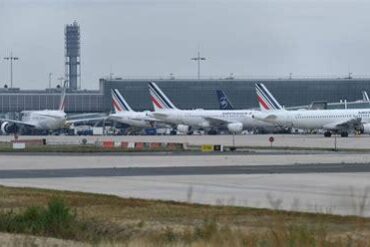
At CDG, France’s largest international gateway, the figures were staggering. Of the 335 scheduled departures and arrivals, 186 flights suffered delays averaging two to four hours, while 149 were outright canceled. Air France bore the brunt with 95 delays and 58 cancellations, forcing the airline to issue vouchers and emergency hotel stays to stranded passengers. HOP! regional jets, easyJet, British Airways, Finnair, Lufthansa and other key operators all saw significant disruptions, leading to a cascade of missed connections and logistical headaches.
Paris Orly
In Orly’s compact terminals, space constraints magnified the chaos. 75 flights were delayed and 77 canceled, with Vueling and easyJet particularly hard‑hit. International travelers bound for Lisbon, Madrid, and Rome joined domestic passengers in overcrowded departure lounges. Airlines scrambled to consolidate flights, but many travelers faced waits of up to six hours for rebooking assistance.
Nice Côte d’Azur
Along the Riviera, Nice airport experienced 56 delays and a remarkable 130 cancellations, turning what should have been the start of idyllic beach vacations into an ordeal of gate changes and standby lists. easyJet alone accounted for 23 delays and 54 cancellations, while Air France and British Airways axed dozens of flights to London, Amsterdam, and Frankfurt, leaving visitors stranded under the Mediterranean sun.
Marseille Provence and Lyon
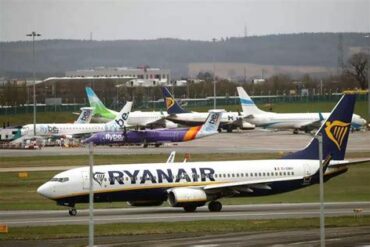
In Marseille and Lyon, the second- and third‑largest French airfields, the strike resulted in a combined 48 delays and 84 cancellations. Ryanair, Air France, and HOP! services to North Africa, Europe, and the UK were most affected. At Lyon, charter flights carrying football fans and summer holidaymakers were repeatedly rescheduled, prompting complaints to consumer‑protection agencies and French ombudsmen.
Regional Hubs
Beyond the major metros, regional airports also felt the squeeze. Beauvais‑Tillé saw 9 delays and 32 cancellations, primarily affecting Ryanair routes. Corsican airports at Bastia, Calvi, Ajaccio, and Figari reported minor to moderate disruptions, with a total of 17 delays and 6 cancellations, underscoring the national reach of the controllers’ protest.
Airlines Bearing the Heaviest Toll
Analysis of aggregated data reveals a clear hierarchy of impact. Air France logged 186 delays and 149 cancellations, making it the single most affected carrier. easyJet’s low‑fare network accumulated 56 delays and 130 cancellations, while Ryanair canceled or delayed 108 flights. Legacy carriers British Airways, Lufthansa, and Vueling all reported double‑digit disruption counts, forcing them to activate contingency charters and cross‑hire crews to mitigate passenger inconvenience.
Traveler Tactics in Turbulent Skies
Navigating this upheaval demanded swift, proactive measures. Seasoned travelers and first‑timers alike adopted similar strategies to stay ahead of the chaos:
- Continuously monitor airline apps and official ATC bulletins for real‑time updates.
- Enroll in Waitlists for earlier alternates via airline customer portals or airport kiosks.
- Leverage lounge access (paid or status‑based) to work or rest comfortably during multi‑hour delays.
- Explore ground transport—TGV rail links and coach services offered partial relief between Paris, Lyon, and Marseille.
- Prepare essential kits with spare chargers, snacks, and basic toiletries in carry‑on baggage.
Economic and Social Reverberations
Beyond the immediate inconvenience to travelers, the strike threatens broader economic fallout. Tourism revenue—crucial to regions like Provence and the Côte d’Azur—risks a short‑term slump as last‑minute cancellations ripple through hotels, restaurants, and tour operators. Business conferences scheduled during this period have seen reduced attendance or postponements, with estimated losses running into tens of millions of euros.
Public reaction has been mixed: while many sympathize with controllers’ safety concerns, frustration has mounted over what critics label a “self‑inflicted holiday headache.” Social‑media campaigns under #TGIFStrike and #FlightFiasco have gone viral, pressuring government negotiators to reach a rapid settlement. Politicians from Paris to Marseille have called for expedited talks to avert further damage to France’s global reputation as a premier travel destination.
Negotiations and Outlook
Behind the scenes, the DGAC, union leaders, and the Ministry of Transport convene daily to hammer out a compromise. Controller demands include recruitment bonuses, accelerated training pipelines, and a multi‑year modernization fund for ATC technology. Government negotiators reportedly tabled a €150 million package for infrastructure upgrades, but unions insist additional staffing guarantees are necessary to prevent future walkouts.
As of July 4 evening, preliminary talks have yielded tentative agreements on phased hiring and equipment investments, but rank‑and‑file approval votes may delay final ratification. Airlines remain on high alert, maintaining reduced schedules through the weekend and alerting passengers to potential lingering effects.
Lessons for Future Summer Seasons
This high‑profile strike underscores critical vulnerabilities in France’s air‑traffic ecosystem. Key takeaways for policymakers and industry stakeholders include:
- Boost recruitment by streamlining training and offering competitive incentives to new controllers.
- Accelerate technology upgrades to replace legacy systems with digital, AI‑assisted traffic‑management tools.
- Enhance crisis communication so travelers receive clear guidance during service disruptions.
- Diversify transit options by promoting multimodal travel connections that reduce reliance on a single corridor.
Conclusion
The July 3–4 air traffic control strike has left an indelible mark on France’s aviation landscape, laying bare the tension between workforce welfare and service continuity during peak travel. While immediate negotiations may restore normal operations by mid‑July, the episode serves as a stark reminder that robust staffing levels, modern infrastructure, and agile contingency planning are indispensable for safeguarding the traveler experience. As France moves to reconcile controller demands with economic imperatives, passengers and airlines alike will be watching closely, hopeful that lessons learned today will yield smoother skies tomorrow.