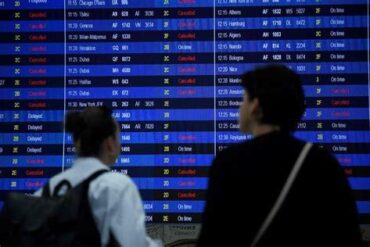
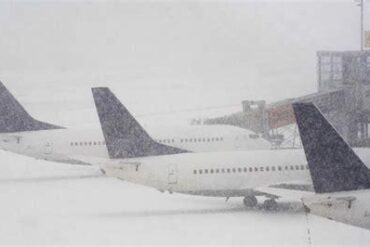
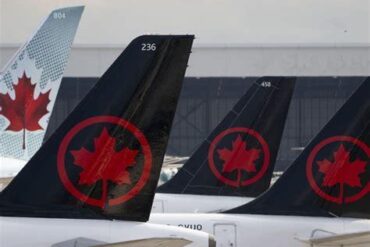
The second day of a massive air traffic control strike across France has plunged European aviation into a state of chaos, with over 1,200 flights cancelled or severely delayed, disrupting operations from Paris to Nice and reverberating across the continent. This sweeping industrial action, led by minority French air traffic controller unions UNSA-ICNA and USAC-CGT, has crippled the backbone of European airspace and ignited tensions between unions, airlines, passengers, and the French government.
By Friday, July 4, 2025, the strike had intensified, forcing France’s Direction Générale de l’Aviation Civile (DGAC) to slash 40% of scheduled flights in response to the drastic staff shortages at control towers. What began as a localized protest quickly escalated into a Europe-wide aviation crisis, with cascading effects on air traffic control, overflights, and passenger movement in and out of France.
Paris Airports Paralyzed as Airlines Bear the Brunt
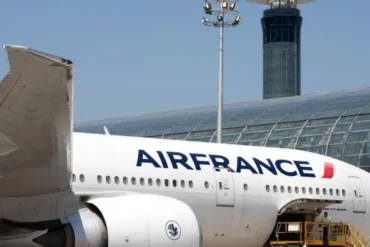
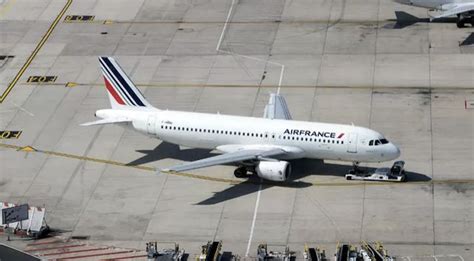
At Paris Charles de Gaulle (CDG), one of Europe’s busiest airports, the disruptions reached a critical threshold. 337 flights were cancelled and 111 delayed, forcing Air France, the French flag carrier, to cancel 167 flights and delay another 52, accounting for 27% of its scheduled operations for the day. The impact was equally felt by its regional partner HOP!, which cancelled 74 flights.
International carriers also suffered deeply. British Airways cancelled 58% of its CDG flights, while easyJet, Lufthansa, Delta, and United Airlines reported a string of cancellations and delays. The ripple effect stranded thousands of travelers, with departure boards across Paris lit in red.
Nationwide Disruption Spreads Beyond Paris
Other major French airports experienced similar disruption:
- Paris Orly recorded 99 cancellations and 42 delays, with carriers like Vueling, Air France, and easyJet heavily affected.
- Nice Côte d’Azur Airport saw 139 cancellations and 37 delays, with easyJet alone responsible for 68 cancellations.
- Marseille Provence Airport reported 56 cancelled flights and 27 delays, impacting operations for Ryanair, Air France, and Lufthansa.
Secondary airports such as Toulouse-Blagnac, Beauvais Tille, Lyon, Basel-Mulhouse, Nantes Atlantique, and Bordeaux-Merignac added another 370 delayed and 859 cancelled flights to the national tally. Combined, the total reached a staggering 1,229 affected flights in a single day.
Unions Demand Reform Amid Aviation Gridlock
The unions behind the strike are not the largest, but they are proving the most disruptive. Despite the absence of SNCTA, France’s largest air traffic controller union, the collective action by UNSA-ICNA and USAC-CGT has proven deeply effective. Their demands focus on:
- Resolving chronic understaffing in French ATC ranks.
- Modernizing outdated radar and control systems.
- Resisting the implementation of a new clock-in system, which unions argue is designed to exert excessive control over working hours.
- Challenging toxic managerial practices, as cited in internal grievances.
French aviation unions argue that years of underinvestment and poor workforce planning have culminated in a breaking point. The latest trigger—the proposed clock-in policy—was viewed as a last straw in a deteriorating labor environment.
Europe Feels the Shockwaves
Given France’s central geographic role in the European aviation grid, the strike did not only affect domestic or inbound/outbound French flights. Airlines operating flights across European corridors that traverse French airspace were forced to reroute or cancel services.
By midday Friday, the Airlines for Europe (A4E) association reported over 1,500 flight cancellations and 500,000 minutes of delay across 33,000 European flights. The figures highlight the strike’s expansive fallout, even on carriers not operating routes to or from France.
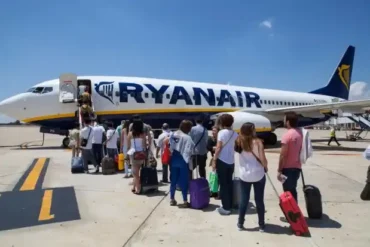
Ryanair, which cancelled more than 400 flights, issued a scathing statement blaming the European Commission for failing to protect overflights during national strikes. Ryanair argued that 350 of their cancelled flights could have been salvaged had proper airspace protections been implemented. The airline has now renewed its call for EU legislation to shield pan-European routes from localized disruptions.
Passenger Experience Descends Into Disarray
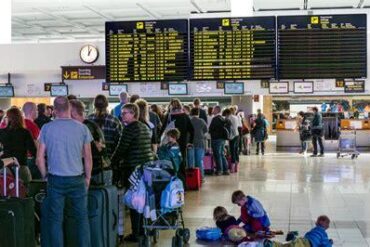
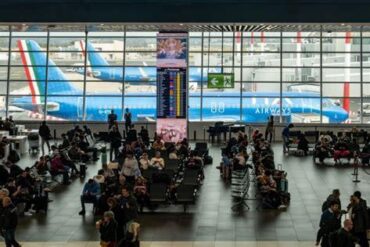
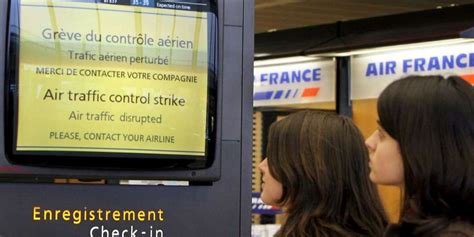
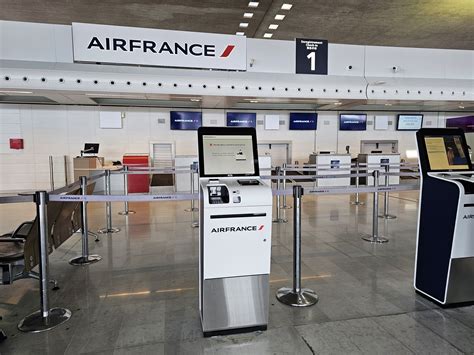
Travelers caught in the disruption reported chaos, with scenes of confusion, long lines at check-in counters, and hours of uncertainty. Social media exploded with images of abandoned departure gates, crowded lounges, and frustrated travelers awaiting alternate connections. For many, the timing of the strike—at the onset of the school summer holidays—magnified the stress, stranding families, vacationers, and business travelers.
In a public statement, the French Ministry of Transport expressed “deep regret” over the strike’s timing and condemned the severe impact of an action involving only 272 striking workers. Yet these few controllers managed to paralyze over 500,000 passengers in just 48 hours, underlining their critical importance to European air operations.
Airlines Scramble for Contingency Solutions
To mitigate the chaos, airlines launched last-minute contingency measures:
- Rebooking services were activated across major European hubs.
- Accommodation vouchers were issued for stranded passengers.
- Dedicated help desks were set up at Paris CDG, Orly, Nice, and Lyon.
However, many passengers criticized the lack of real-time communication, delayed notifications, and overburdened customer service channels. With the prospect of continued strikes looming, airlines are bracing for deeper logistical and financial fallout.
No End in Sight: A Looming Threat to Peak Travel Season
As of Friday night, there was no formal end date for the strike. Union representatives have vowed to maintain pressure until demands are addressed. Meanwhile, French authorities are stuck in a political and bureaucratic deadlock, balancing public perception with long-term airspace modernization goals.
The summer travel season, a critical revenue window for airlines, now hangs in the balance. If unresolved, the strike threatens to derail August traffic forecasts, tarnish carrier reputations, and place long-term strain on the already-fragile aviation recovery post-COVID.
In the broader context, this crisis exposes a deeper vulnerability in Europe’s aviation infrastructure. The absence of a harmonized airspace management system, coupled with inflexible national labor laws, means that a strike in one country can paralyze half a continent.
Final Thoughts: Fragility of a Connected Sky
The second day of the French air traffic control strike has revealed just how interconnected and vulnerable modern air travel truly is. With over 1,200 flights grounded, thousands of passengers affected, and Europe’s aviation arteries clogged, the crisis is far from over. Unless tangible reforms emerge—both within France and across the EU—the continent risks future flashpoints of similar magnitude.
As unions dig in, airlines calculate losses, and passengers voice growing frustration, all eyes now turn to the French government and European regulators. The question is no longer whether air travel can recover from this disruption—but whether it can evolve fast enough to prevent the next one.