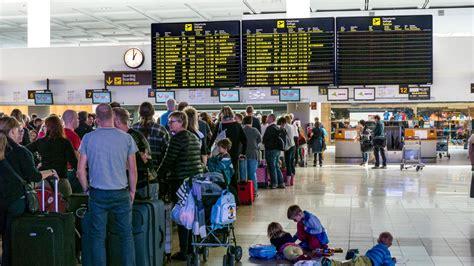
European travel is plunging into crisis as French air traffic controller strikes continue to wreak havoc across the continent. With thousands of passengers facing delays, rerouted flights, and unexpected cancellations, airlines are calling for immediate government intervention to prevent a complete breakdown of the summer travel season.
The labor unrest stems from ongoing disputes over pension reforms and working conditions, prompting French air traffic controllers to stage multiple walkouts. These actions have not only paralyzed domestic operations within France but have also triggered cascading effects across international routes, particularly those that rely on transiting through French-controlled airspace.
The Growing Disruption Across European Skies
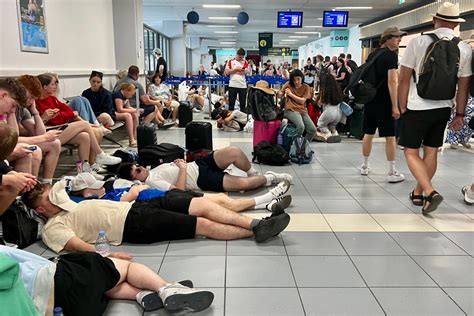
France’s central geographical location makes it an unavoidable air corridor for countless intra-European and intercontinental routes. With French air traffic controllers reducing capacity or walking off the job entirely, flights that don’t even land in France are being impacted. Airlines are being forced to make last-minute changes, including rerouting jets over alternative airspace — a move that significantly increases fuel consumption, flight time, and operational complexity.
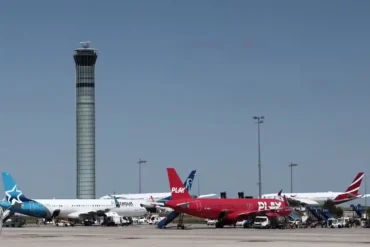
Summer is typically the busiest season for air travel across Europe. As families, business travelers, and tourists flood airports, any disruption magnifies into a logistical nightmare. Nowhere is this more evident than at Charles de Gaulle Airport, Paris Orly, and Marseille Provence — three of France’s most critical aviation hubs.
Airlines across the board, from legacy giants like Air France to low-cost disruptors like Ryanair, are finding themselves unable to offer the punctual, reliable service passengers expect. The ripple effect is visible across major airports in London, Frankfurt, Madrid, and Amsterdam, where travelers arriving from or transiting through French skies face delays of several hours or even entire days.
Airlines Sound the Alarm: “Unacceptable Situation”
The International Air Transport Association (IATA) has condemned the strikes in unusually strong language, describing them as “unacceptable and harmful to millions of travelers.” The organization argues that essential services like air traffic control should not be subject to prolonged industrial action — especially when it comes at the direct expense of the global aviation network.
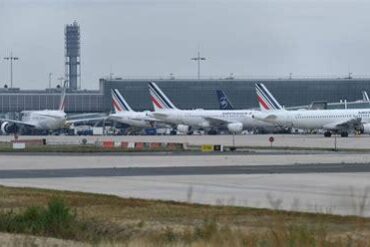
Air France, already struggling with internal cost-cutting and restructuring efforts, is bearing the brunt of the disruptions. With many of its flights either originating or passing through France, the national carrier has reported hundreds of cancellations and thousands of delayed passengers in just the past week.
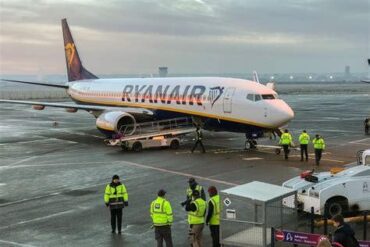
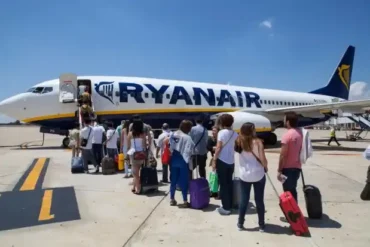
Meanwhile, Ryanair’s CEO Michael O’Leary has gone on record calling for EU-wide legislation to protect overflight rights, arguing that passengers traveling from one country to another shouldn’t be penalized by labor disputes in a third. Ryanair, known for its efficiency and low-cost model, is being forced to reroute flights over Spanish or German airspace, pushing up fuel costs and operational delays.
Passenger Woes: Confusion, Cost, and Chaos
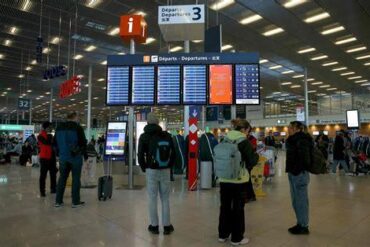
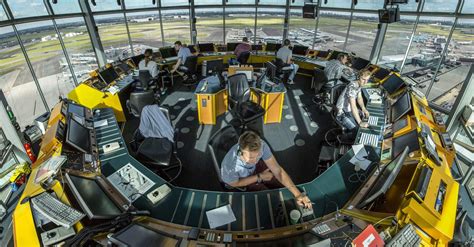
For passengers, the experience is nothing short of maddening. With little to no advance notice of cancellations, many find themselves stranded in terminals, faced with rebooking queues stretching for hours, or worse — missing key events such as weddings, business meetings, or family holidays.
The situation is exacerbated by a lack of clear communication. In many cases, passengers only discover the cancellation of their flight at the boarding gate. The surge in demand for alternative flights often leads to price hikes, leaving travelers with the grim choice between expensive last-minute alternatives or waiting days for rebooked options.
Even travelers not flying into or out of France are impacted. Flights from London to Rome, New York to Geneva, or Berlin to Lisbon are all subject to delays if they traverse French skies. The European air traffic control network is tightly integrated, and when France pulls the plug, the entire system suffers.
Travel experts warn that these delays could soon reach crisis levels. With school holidays beginning in many countries, airport congestion is expected to hit peak levels. Any additional strain could result in a breakdown of passenger flow across major hubs.
Government Under Pressure: Stalemate Continues
The French government, led by the Ministry of Transport, has engaged in multiple rounds of negotiations with the air traffic controllers’ unions. However, talks have so far failed to reach a compromise. The unions argue that recent pension reform policies threaten their long-term job security and work-life balance, especially given the high-stress nature of air traffic control work.
In the meantime, airlines are urging French lawmakers to consider minimum service guarantees for essential national infrastructure — a mechanism that would force critical personnel to maintain operations even during strikes. While such policies exist in countries like Spain and Italy, France has resisted implementing similar safeguards for air traffic services.
The stalemate has triggered a political debate in Brussels as well. Several members of the European Parliament are calling for a unified response, citing the damage being done to the region’s economy, tourism sector, and reputation.
EU Passenger Compensation: A Flawed Safety Net
Under EU Regulation 261/2004, passengers are technically entitled to compensation for flight delays, cancellations, or denied boarding. But in reality, claiming this compensation is a labyrinthine process. Travelers must prove that the disruption wasn’t caused by “extraordinary circumstances” — a term that airlines often argue includes strikes.
Consumer rights groups have expressed outrage over what they perceive as a systemic failure to uphold passenger rights. In many cases, travelers report weeks of waiting for responses from airlines, only to be denied compensation on technicalities. With limited legal recourse, the burden falls on passengers to navigate complex online claims portals and third-party legal intermediaries.
Some legal experts are now suggesting that French air traffic controller strikes should not be classified as extraordinary, as they’ve become regular, predictable events. If such a ruling were upheld in EU courts, airlines would be forced to pay out millions in backdated claims, further escalating tensions between carriers and labor unions.
Strategic Fallout: Long-Term Consequences for France
Beyond the immediate chaos, there are concerns that the ongoing strikes could inflict lasting reputational damage on France’s role as a global aviation hub. Charles de Gaulle Airport, ranked among the world’s busiest, has already seen a notable decline in international confidence, with some airlines reportedly considering reducing their reliance on French airspace.
This could prove disastrous for France’s aviation industry. A decrease in air traffic could threaten airport revenues, airline profitability, and the broader economy — especially sectors like tourism, hospitality, and logistics. Travelers may begin deliberately avoiding French routes, further eroding France’s strategic value in European air travel.
What Can Travelers Do?
For those planning to travel through or over France in the coming weeks, proactive planning is essential. Here are key tips to navigate the uncertainty:
- Check flight status frequently, especially 24–48 hours before departure.
- Sign up for airline alerts to receive real-time notifications about changes.
- Consider alternate airports or train routes, particularly within Europe.
- Purchase travel insurance that includes coverage for delays and cancellations due to strikes.
- Keep all receipts and communication logs in case you need to file a compensation claim.
Additionally, passengers traveling for time-sensitive events — such as weddings, medical appointments, or business deals — are advised to schedule buffer days or use non-French transit points where possible.
A Fragile Future for European Aviation
The repeated disruptions caused by French air traffic control strikes are more than just a summer travel headache. They reflect a deeper structural issue: the fragility of Europe’s interconnected aviation system. Without stronger intergovernmental frameworks, minimum service requirements, and labor negotiation protocols, European skies may remain at the mercy of national disputes.
As talks continue, the hope remains that French authorities and air traffic unions will reach an equitable agreement — one that protects workers’ rights while preserving the reliability of a system millions depend upon. Until then, travelers, airlines, and the wider industry remain in a holding pattern, navigating through turbulence with no clear horizon in sight.