The modern battlefield is not defined solely by fighter jets streaking across the sky. Power in the air depends on a quiet ecosystem of logistics aircraft, surveillance platforms, and mobility networks that keep a military functioning far beyond its borders. In March 2026, the United States targeted that ecosystem directly.
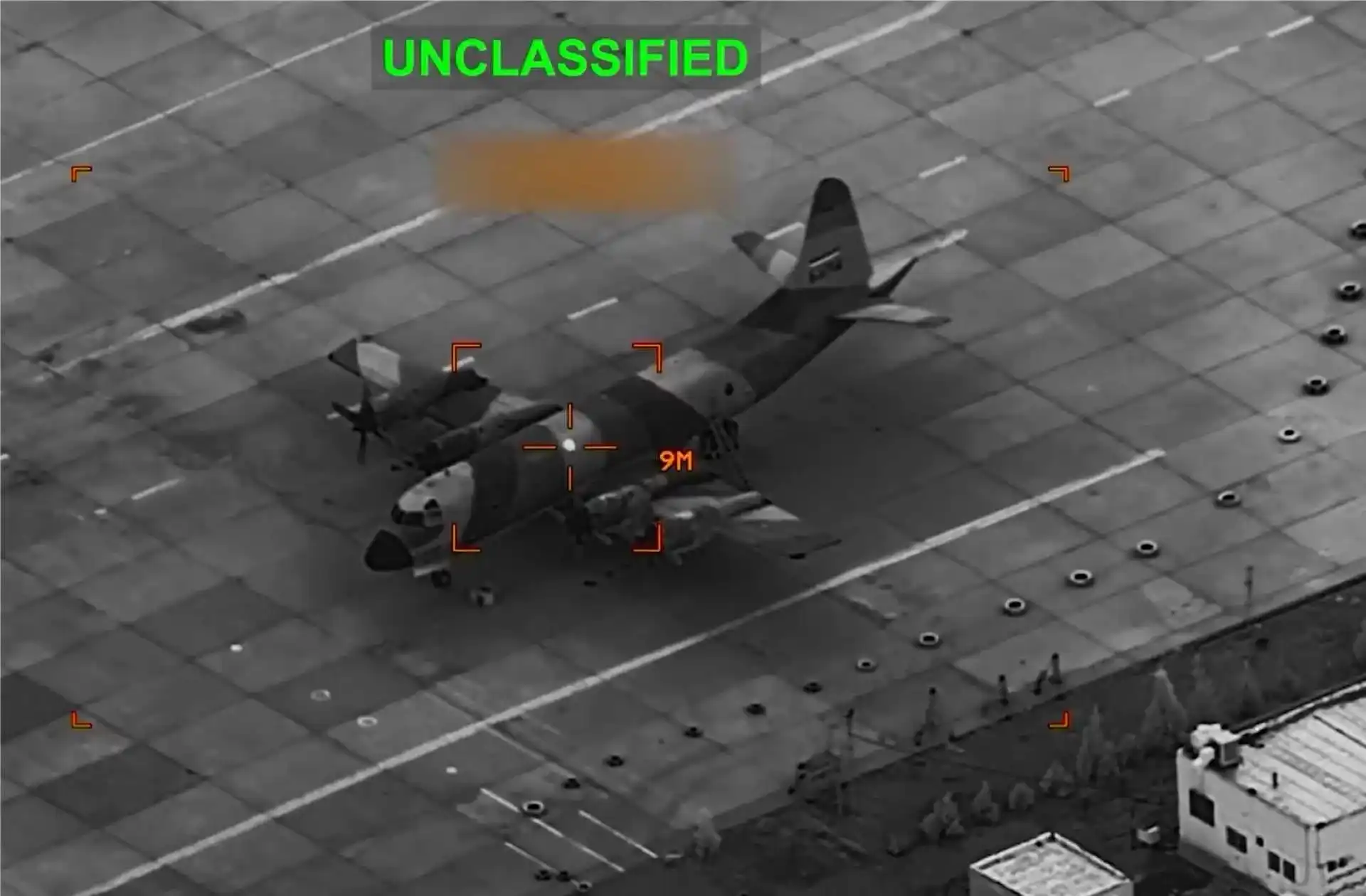
Under Operation Epic Fury, U.S. forces conducted a series of precision strikes against Iranian military aviation assets at several airbases. Rather than focusing on Iran’s frontline fighter aircraft, the operation deliberately targeted the backbone of the country’s operational infrastructure—Ilyushin Il-76 heavy transports, Lockheed P-3 Orion maritime patrol aircraft, and C-130 Hercules tactical airlifters.
This strategy reflects a core principle of modern warfare: destroying an adversary’s ability to move, observe, and sustain forces can cripple military operations even before conventional air combat begins.
The released footage from U.S. Central Command (CENTCOM) shows guided munitions striking aircraft parked on Iranian airfields, highlighting a carefully executed campaign aimed at dismantling Tehran’s operational mobility and intelligence network.
Strategic Logic Behind Operation Epic Fury
Military campaigns rarely begin with massive air battles. Instead, planners look for leverage points—systems whose destruction causes disproportionate operational disruption. Logistics aircraft and surveillance platforms sit near the top of that list.
Transport aircraft move personnel, weapons, spare parts, and fuel across thousands of kilometers. Surveillance aircraft provide the situational awareness necessary for command decisions, naval monitoring, and missile targeting. Remove those capabilities and an entire military structure becomes slower, blind in key areas, and increasingly fragile.
The U.S. strikes appear designed precisely around this logic.
By targeting support aircraft rather than runways or hardened fighter shelters, American planners sought to:
- Limit Iran’s ability to transport heavy equipment across the region
- Disrupt maritime surveillance over strategic waterways
- Reduce operational mobility of Iranian forces
- Undermine the logistical backbone of proxy operations
This approach reflects a broader shift in modern airpower doctrine: paralyzing networks instead of simply destroying platforms.
Destruction of Il-76 Heavy Airlifters
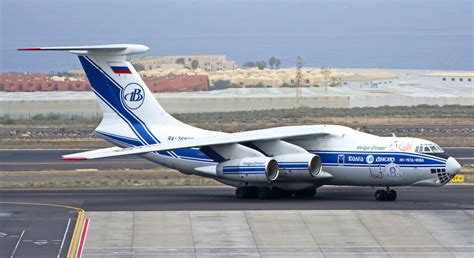
Among the most significant losses reported during the operation are Ilyushin Il-76 strategic transport aircraft, a cornerstone of Iran’s heavy-lift capability.
The Il-76 is a four-engine military cargo aircraft originally developed by the Soviet Union. Capable of transporting 40 to 50 tons of payload, it can move heavy equipment, armored vehicles, missile components, or large quantities of supplies across distances exceeding 4,000 kilometers.
For Iran, these aircraft serve a particularly critical role.
They support long-distance logistics operations across the Middle East and are believed to facilitate the movement of military equipment, missile systems, and unmanned aerial vehicles between Iran and allied forces throughout the region.
Destroying even a small number of Il-76 transports carries outsized consequences. Iran operates only a limited fleet, and replacing such aircraft under international sanctions is extremely difficult.
Without them, the country faces significant challenges in rapidly deploying heavy equipment or reinforcing distant operational theaters.
P-3 Orion Maritime Patrol Aircraft Eliminated
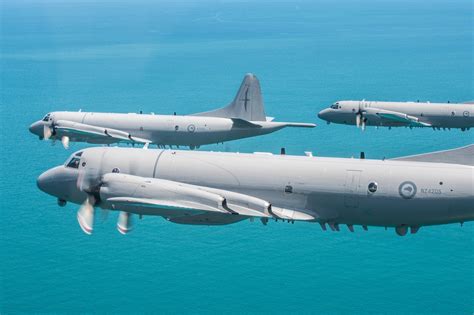
Another high-value target struck during Operation Epic Fury was the Lockheed P-3 Orion, a long-range maritime patrol aircraft historically used for anti-submarine warfare and ocean surveillance.
The P-3 is a remarkably capable aircraft despite its Cold War origins. Powered by four turboprop engines, it can remain airborne for more than 10 hours, scanning enormous maritime areas with advanced sensors including:
- Surface-search radar
- Electronic intelligence receivers
- Magnetic anomaly detectors
- Sonobuoy acoustic sensors
These systems allow the aircraft to monitor shipping lanes, detect naval movements, and track submarines across vast ocean regions.
For Iran, the P-3 Orion serves as the primary platform for maritime domain awareness. The aircraft patrol the Persian Gulf, the Gulf of Oman, and the northern Indian Ocean, regions that include some of the world’s most strategically vital shipping routes.
In a military confrontation, the Orion could provide targeting data for anti-ship missile batteries, coastal defense systems, or naval units.
Destroying these aircraft therefore reduces Iran’s ability to monitor U.S. Navy activity, particularly the movements of the U.S. Fifth Fleet, headquartered in Bahrain.
C-130 Hercules: The Backbone of Tactical Mobility
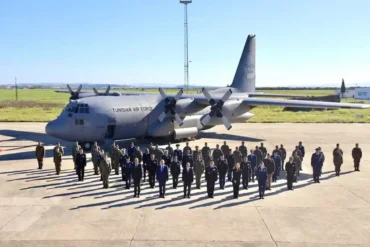
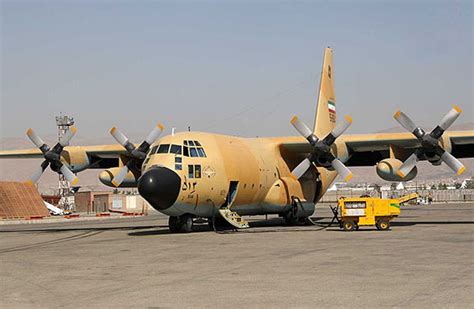
The strikes also reportedly destroyed several Lockheed C-130 Hercules tactical airlifters, one of the most versatile military transport aircraft ever built.
Few aircraft in aviation history match the Hercules in flexibility. Designed for rugged environments, it can operate from short, unpaved, or damaged runways while carrying payloads of around 20 tons.
Within Iran’s military structure, the C-130 performs numerous missions:
- Troop transport
- Logistics resupply
- Medical evacuation
- Humanitarian relief
- Special operations support
Because Iran’s territory spans more than 1.6 million square kilometers, the C-130 fleet plays a crucial role in maintaining internal mobility. Ground transportation across such vast distances can be slow and vulnerable.
Removing these aircraft directly reduces Iran’s ability to move personnel and supplies rapidly during crisis scenarios.
The Vulnerability of Aircraft on the Ground
One of the most striking elements of the strike footage is how quickly high-value aircraft were destroyed while parked on airfields.
Modern precision-guided munitions allow attacking forces to strike individual aircraft with extraordinary accuracy, often from hundreds or even thousands of kilometers away.
This creates a persistent vulnerability for air forces worldwide.
Aircraft parked at fixed bases—even large and expensive ones—can become extremely fragile targets if adequate protection measures are not in place. Hardened aircraft shelters, dispersal strategies, and rapid relocation procedures are essential for survivability.
Many Iranian airbases lack sufficient hardened infrastructure to protect large support aircraft such as Il-76 transports or P-3 patrol planes. As a result, these platforms can be destroyed without requiring complex dogfights or suppression of air defense networks.
From a military planning perspective, destroying aircraft on the ground is enormously efficient.
Iran’s Aging and Sanction-Constrained Air Fleet
Iran’s military aviation sector has faced decades of technological isolation.
Following the 1979 Iranian Revolution, international sanctions severely restricted Tehran’s access to Western military equipment, spare parts, and modernization programs. As a result, Iran continues to operate a mixed fleet that includes aircraft dating back to the 1960s and 1970s.
Among the combat aircraft still in service are:
- F-4 Phantom II
- F-5 Tiger II
- F-14 Tomcat
These legacy U.S. platforms coexist with Russian aircraft and domestically upgraded variants.
Support aircraft such as Il-76 transports and P-3 Orions are even rarer. Their small numbers mean every loss has an amplified impact on readiness and operational flexibility.
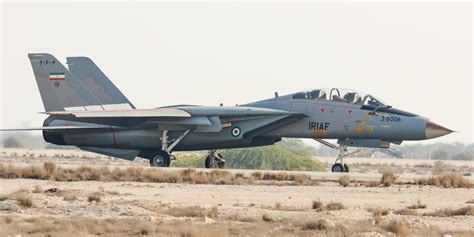
Replacing these aircraft is not straightforward. Procurement options are limited, and maintaining aging fleets becomes increasingly difficult as spare parts grow scarce.
For this reason, the destruction of several support aircraft could significantly degrade Iran’s long-range operational capabilities for years.
Strategic Messaging and Regional Implications
Beyond the immediate military impact, the release of strike footage carries strong strategic messaging.
Publicly documenting the destruction of high-value Iranian aviation assets signals that the United States retains the ability to penetrate defended airspace and dismantle key elements of Tehran’s military infrastructure.
The message resonates not only with Iran but also with regional actors across the Middle East.
Air superiority is rarely achieved by destroying fighters alone. It emerges from a broader campaign targeting the entire operational network that sustains air power—logistics, surveillance, command systems, and infrastructure.
Operation Epic Fury illustrates this principle with clinical precision.
By dismantling Iran’s support aircraft fleet, U.S. forces appear to be shaping a battlefield where Iranian forces become slower, less informed, and less capable of projecting power beyond their borders.
In a region where maritime chokepoints like the Strait of Hormuz influence global energy markets and international security, such shifts in operational capability can ripple far beyond the immediate battlefield.
The strikes demonstrate that in modern warfare, dominance often begins not with the roar of fighter jets—but with the quiet destruction of the aircraft that make those jets effective in the first place.