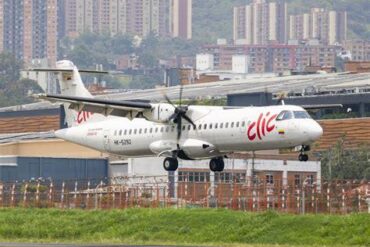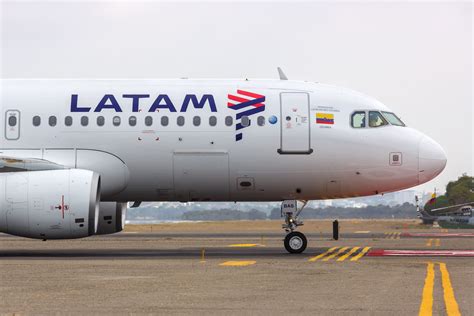
Colombia is aggressively reshaping Latin America’s aviation dominance with a bold new play—direct connectivity between Bogotá and Curaçao through LATAM Airlines. This isn’t just a new route; it’s a tectonic shift in regional influence, with ripple effects stretching from South America into the heart of Europe via Curaçao’s deep-rooted ties to the Kingdom of the Netherlands. As the December 2025 launch of this route nears, Colombia is positioning itself as a strategic aviation hub, amplifying its relevance in Caribbean and intercontinental travel corridors.
The Bogotá–Curaçao connection is more than a tourist-friendly initiative—it’s a calculated geopolitical maneuver that boosts economic synergy, cultural exchange, and regional supremacy in air travel. It plugs Colombia directly into a Dutch Caribbean node with robust EU infrastructure, enhancing Bogotá’s El Dorado International Airport (BOG) as a premier Latin American gateway.
LATAM’s Direct Entry Into Curaçao: The Strategic Mechanics Behind the Route
The upcoming nonstop LATAM flight between Bogotá and Curaçao, launching December 2, 2025, will operate thrice weekly on Tuesdays, Thursdays, and Sundays. The route will utilize Airbus A320 aircraft, ideal for short-haul efficiency and passenger comfort. Scheduled departures at 10:10 AM from Bogotá, with arrivals in Curaçao at 1:20 PM, maximize daylight utilization for incoming travelers. Return flights depart Curaçao at 2:40 PM, landing back in Bogotá at 3:55 PM, allowing seamless integration into both business and leisure itineraries.
This flight schedule reflects precision targeting of high-demand travel windows, aligning with Latin American vacation periods and Curaçao’s vibrant tourism season. It also supports dual-directional benefit—Colombians gain tropical access without detours, and Curaçaoan travelers obtain a direct line to the Colombian capital’s expansive domestic and international connections.
A Two-Way Bridge: What Colombia Gains, What Curaçao Gains
On Colombia’s side, this route consolidates its growing aviation authority in Latin America. Bogotá’s position as a continental nexus is enhanced, not just through LATAM’s strength, but by offering efficient links to Europe via Curaçao’s Dutch connectivity. This gives Colombia an indirect line into the Schengen zone, leveraging Curaçao’s existing infrastructure tied to Amsterdam Schiphol and other European airports.
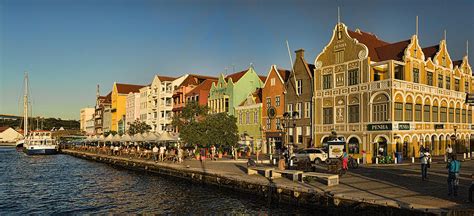
For Curaçao, the benefits are manifold. Traditionally dependent on North American tourism and maritime logistics, the island has been expanding its Latin American ties. Colombia has emerged as a top-five source market, and this direct air bridge is expected to increase inbound tourism, boost local hospitality sectors, and generate sustainable economic gains for SMEs—from beachfront hotels and family-run eateries to snorkeling charters and cultural festivals.
Economic Synchrony: More Than Beach Chairs and Cocktails
While Curaçao’s allure as a sun-soaked destination plays a crucial role, this move is also deeply economically strategic. Direct airlift eliminates previous dependence on regional hubs like Panama City or Miami. The direct Bogotá route slashes travel time, streamlines logistics, and reduces operational costs for tour operators and businesses alike.
This efficiency translates into tangible macroeconomic benefits:
- Tourism revenue increases via higher visitor counts and longer stays.
- Trade opportunities expand, especially for agricultural exports and artisanal products.
- Education and healthcare access for Curaçao residents improves with better Bogotá connectivity.
- Diaspora engagement becomes easier for Colombian nationals living in Curaçao and surrounding Dutch Caribbean islands.
LATAM’s brand weight also plays a key role in securing early adoption. With its reputation for punctuality, service consistency, and vast intra-regional network, LATAM brings both trust and traffic—attracting high-yield travelers across leisure, corporate, and diaspora segments.
The European Link: Curaçao as a Backdoor to the EU
Perhaps the most underestimated but pivotal angle of this route is Curaçao’s standing within the Kingdom of the Netherlands. Though geographically Caribbean, it remains a constituent country of the Netherlands, enjoying bilateral agreements, passport privileges, and regular air service to Amsterdam.
This turns Curaçao into a strategic access point for Colombian and Latin American travelers aiming to reach Europe without traditional transatlantic hassles. Bogotá-Curaçao-Amsterdam becomes a logistically viable alternative, especially during peak seasons or route disruptions in traditional transatlantic corridors.
Colombian exporters and trade officials can also benefit from lower-barrier access to EU markets, particularly through Curaçao’s warehousing, customs support, and marine freight infrastructure connected to the Dutch economy.
Cultural Diplomacy and the Rise of Soft Power Through Aviation
Beyond logistics and economics lies the realm of soft power. This route solidifies Colombia’s cultural and diplomatic influence across the Caribbean basin. With its artistic exports, music, food, and literature already commanding attention regionally, Colombia now has a physical corridor to amplify cultural programming, government cooperation, and multilateral tourism development.
Curaçao, with its multilingual populace and Dutch-Caribbean fusion culture, becomes a welcoming canvas for this exchange. Expect to see more Colombian cultural events, gastronomy festivals, and tourism collaborations that blur borders and reinforce regional solidarity.
Furthermore, this growing relationship signals Colombia’s intentional pivot away from US-centric air routes, redistributing focus toward more autonomous Latin-Caribbean-EU integrations. It’s a bold play that could inspire parallel strategies in other regional powers such as Peru, Chile, and Panama.
Post-Pandemic Recalibration: Why This Route Makes Sense Now
The launch timing is no accident. Coming at the cusp of the Caribbean high season and coinciding with continued post-pandemic tourism recovery, the Bogotá–Curaçao route is future-proofed for sustainability and scale.
Aviation analysts project a steady rise in short-haul leisure travel, especially among urban middle classes seeking cultural and climate diversity within four-hour flight ranges. This flight fits that sweet spot, while giving LATAM a testing ground for future Caribbean expansions—including possible forays into Aruba, Saint Martin, or Bonaire, each with unique Dutch or European ties.
It also fits into global aviation’s green evolution, with Airbus A320s offering lower emissions per passenger kilometer compared to long-haul counterparts. By creating efficient regional loops, LATAM contributes to more environmentally conscious tourism models, a key metric for travelers and governments alike.
Long-Term Vision: The Road (or Sky) Ahead
Colombia’s play isn’t limited to Curaçao. This route is a prototype—a scalable blueprint for how secondary markets can be activated through direct connections and strategic alliances. With LATAM’s route flexibility and Colombia’s geographic advantage, this could pave the way for direct flights to underserved hubs across Central America and the Lesser Antilles.
Meanwhile, Curaçao will likely continue investing in its airport infrastructure, hotel capacity, and destination marketing, ensuring it can absorb the expected visitor surge while preserving local culture and ecological balance. Stakeholder alignment, involving government, tourism boards, and private sector players, has been key to the route’s development—a playbook that other Caribbean nations are watching closely.
A Symbol of Supremacy: Beyond the Boarding Gate
Ultimately, this isn’t just a flight. It’s a symbol of sovereignty, strategy, and scale. By locking in this new air corridor, Colombia signals its ambition to command Latin American skies, not by volume alone, but by strategic connectivity that spans continents.
Curaçao, once seen as a niche destination for European or North American sun-seekers, now sits at the intersection of hemispheres. Its gateway status is elevated, its tourism diversified, and its future newly tethered to South American momentum.
As LATAM’s jets prepare to cut through the Caribbean skies, one thing becomes clear: Colombia is not just flying to Curaçao—it’s flying toward regional dominance. And with Curaçao extending the bridge to Europe, the global implications of this single route stretch far beyond takeoff.