Founded in 1993, E-Liner Airways has quietly but steadily established itself as a resilient regional carrier in the Caribbean, headquartered in Willemstad, Curaçao. While modest in fleet and scale, the airline plays a vital role in inter-island connectivity across the ABC Islands (Aruba, Bonaire, Curaçao) and extends its operations into neighboring South American cities. With its primary base at Hato International Airport, E-Liner Airways operates under the IATA code EL and ICAO code ELA, offering both commuter and charter services.
Regional Airlift Backbone: The Importance of Inter-Island Connectivity
For travelers and residents of the Dutch Caribbean, E-Liner Airways is more than a transport option—it’s an essential air bridge. The airline was originally launched to support sightseeing tours and short trips to nearby islands. Over time, it matured into a key player for daily commuter flights, ensuring reliable and efficient links between Curaçao, Aruba, and Bonaire.
Unlike larger regional operators that prioritize hub-based models, E-Liner operates a point-to-point network focused on short-haul consistency. With limited but strategic routes, it serves:
- Curaçao ↔ Aruba (Daily)
- Curaçao ↔ Bonaire (Daily)
- Charter services within the wider Caribbean basin
This hyper-localized route structure aligns with the needs of business travelers, healthcare transfers, and island-hopping tourists alike.

Strategic Foray Into South America
In a bid to diversify its reach and tap into international demand, E-Liner Airways extended its wings to key cities in Colombia and Venezuela. These routes are crucial not just for commerce but for cultural and familial ties, especially given Curaçao’s historic and linguistic connections with the South American mainland.
Destinations currently served include:
- Bogotá, Colombia
- Valencia, Venezuela
- Maiquetía (Simón Bolívar International Airport), Venezuela
- Las Piedras, Venezuela

Each of these cities offers strategic value: Bogotá as a capital and commercial hub, Valencia as a key industrial zone, and Maiquetía as the main gateway to Caracas. This expansion underlines the airline’s commitment to connecting Curaçao’s geopolitical and economic interests with regional counterparts.
Fleet Composition: Functional Over Flashy
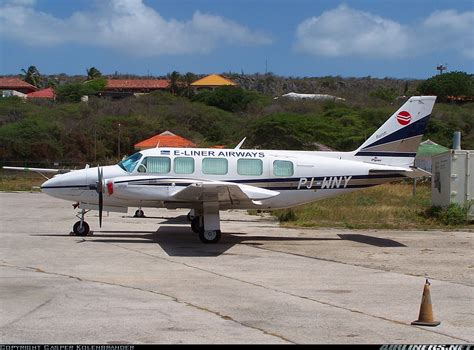
E-Liner Airways maintains a fleet optimized for regional operations, prioritizing efficiency and accessibility over scale. While the fleet may appear modest in size, it’s built with a clear purpose: reliable short-haul airlift in variable island weather and limited runway infrastructure.
Current operational fleet:
- 2 × Piper PA-31 Navajo Chieftain
- 1 × Piper PA-34 Seneca
These aircraft, with proven short-field performance, are ideal for the Caribbean’s unique terrain and weather demands. Their twin-engine configurations offer safety redundancy while remaining economical to operate.
Operational Challenges and Resilience
Operating an airline in the Caribbean is not without its complexities. Fluctuating tourism demand, geopolitical unrest in neighboring Venezuela, and volatile fuel prices pose ongoing threats. Despite these obstacles, E-Liner Airways has sustained uninterrupted service since its inception—an achievement that speaks to its agility and intimate understanding of regional aviation dynamics.
The company benefits from:
- Local ownership and management, allowing for nimble decision-making
- Established partnerships with travel agencies and government operators
- Flexible charter services, balancing out the volatility of commercial routes
This resilience is especially critical given the dependence of island economies on consistent air connectivity, especially in the absence of extensive maritime alternatives.
Passenger Experience and Onboard Offerings
While the aircraft may lack inflight entertainment or large cabin space, the E-Liner Airways experience is centered on punctuality, safety, and local hospitality. Flights average between 15–45 minutes, making customer expectations fundamentally different from long-haul carriers. The airline maintains clean, air-conditioned cabins and personalized service, often with a familiar face in the cockpit or cabin.
Customer feedback generally reflects high satisfaction in punctuality, particularly when compared to larger airlines prone to cascading delays. Moreover, the check-in process is typically swift, thanks to smaller passenger loads and localized airport facilities.
A Homegrown Brand With Cultural Relevance
More than a transportation provider, E-Liner is a symbol of Curaçaoan entrepreneurship. It has managed to thrive in a landscape often dominated by foreign multinationals, building trust through reliability and cultural relevance. The brand is recognizable across the islands, with locals viewing the airline not just as a business but as an institution that bridges communities and economies.
The airline’s identity is closely tied to the Papiamentu-speaking population, which is reflected in staff interactions and localized branding. It has also occasionally supported medical flights and special event charters, reinforcing its role as a social infrastructure asset beyond just a commercial enterprise.

Future Outlook and Digital Transformation Needs
To remain competitive, E-Liner Airways must now confront the realities of a digitized and environmentally-conscious aviation landscape. While its website (www.e-liner.net) serves basic functions, there is a growing demand for:
- Real-time flight tracking
- Mobile booking integration
- Dynamic pricing and loyalty incentives
In parallel, the airline must also consider fleet modernization. Though Piper aircraft are dependable, newer turboprops like the Tecnam P2012 Traveller or Cessna Grand Caravan EX offer improved fuel efficiency and capacity, which could lower operational costs over the long term.
Regulatory Environment and Safety Compliance
As a regional carrier, E-Liner Airways operates under the supervision of the Curaçao Civil Aviation Authority (CCAA) and adheres to both ICAO and FAA safety norms. Routine maintenance checks, pilot certifications, and crew training are all implemented with stringent oversight.
The airline’s spotless safety record over three decades of operation reflects its commitment to aviation best practices, even within the constraints of a small-scale fleet. Its maintenance hangars, located at Hato International Airport, are certified and staffed with technicians trained specifically in Piper models.
Positioning in the Regional Airline Market
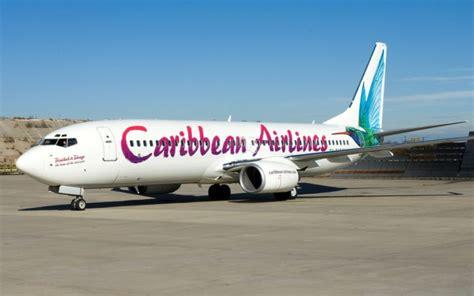
E-Liner’s closest competitors include regional airlines like Divi Divi Air, EZAir, and Caribbean Airlines (for extended routes). However, E-Liner differentiates itself through:
- Ultra-local focus on the ABC islands
- Versatile charter capacity
- Unbroken legacy since 1993

This niche positioning allows it to avoid head-on competition with larger carriers and instead cater to under-served or specialized segments. Its business model remains lean, avoiding the cost burdens that often cripple more ambitious operators.
Conclusion: An Unsung Hero in Caribbean Aviation
In a region heavily reliant on air connectivity, E-Liner Airways stands out as a dependable, culturally embedded, and functionally essential airline. With nearly three decades of service, it exemplifies what a small but well-run airline can achieve when it aligns closely with regional needs. While the path forward demands modernization and digital expansion, E-Liner’s core strengths—resilience, trust, and regional intimacy—offer a powerful foundation.
In the vast sky of Caribbean aviation, it may not be the largest aircraft that matters most, but the one that always shows up—on time, every day, with care and precision.