Founded in 1967 by aviation pioneer Al Wright, Wright Air Service has grown from a modest bush flying operation into a vital commuter airline that links the remotest parts of Alaska to the state’s transportation network. Based in Fairbanks, the heart of the Alaskan interior, Wright Air provides scheduled passenger service, mail delivery, and charter operations to over 18 destinations, serving as a critical infrastructure for communities that are otherwise inaccessible by road year-round.
Alaska’s unique geography demands a different kind of aviation operation. Ice-clogged rivers, snow-covered mountains, and vast, uninhabited tundra require aircraft and pilots capable of navigating unpredictable weather and landing on rugged, unpaved strips. Wright Air has specialized in just that for over five decades, building a reputation grounded in reliability, precision, and an intimate knowledge of the northern skies.
A Legacy of Bush Flying Turned Passenger Aviation
The story of Wright Air Service is rooted in Alaska’s frontier aviation history. What began as flights to support Trans-Alaska Pipeline construction, wildlife surveys, and remote logistics gradually transitioned to regularly scheduled air travel and postal service under the leadership of Bob Bursiel, who joined as a pilot in 1968 and later acquired the company in 1982. Bursiel was instrumental in shifting Wright’s focus toward passenger service, recognizing the needs of isolated villages that lacked year-round road access.
Following a change in ownership in 2017, the company has continued to evolve under a modern leadership team including Matt Atkinson, Lee Kenaston, and Brett Carlson. Despite these changes, the airline remains committed to its original mission: connecting Alaskans and supporting communities beyond the road system.
Strategic Base at Fairbanks International Airport
Fairbanks International Airport is more than a launchpad for Wright Air Service—it is the operational heart of the airline. Located on the airport’s east ramp, the airline maintains its fleet and coordinates scheduling, dispatch, and logistics for its far-flung destinations from this central hub. Fairbanks’ strategic location enables rapid, direct access to northern villages and communities scattered across Interior and Arctic Alaska.
A Rugged and Specialized Fleet Built for Alaska
The airline’s fleet of 21 aircraft is tailored specifically for bush flying and short-field landings. Every plane in the lineup is selected to match the performance requirements of Alaska’s diverse and often difficult airstrips:
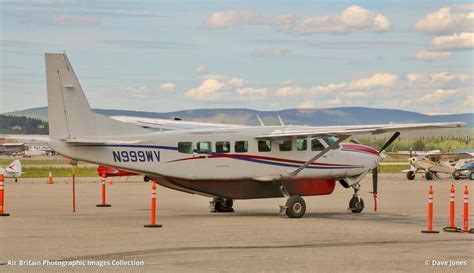
- Cessna Grand Caravan (11 aircraft): The backbone of the fleet, offering a capacity of 9 passengers, a cruise speed of 165 knots, and up to 2400 lbs of load capacity. Known for its ruggedness and reliability.
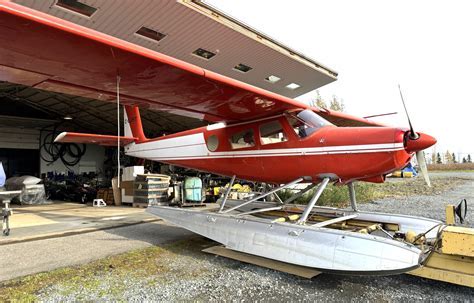
- Helio Courier (4 aircraft): With short takeoff and landing (STOL) capability, the Courier is indispensable for strips surrounded by terrain or trees.
- Piper Navajo Chieftain (2 aircraft) and Piper Navajo (1 aircraft): Faster options for medium-distance routes, carrying 6–8 passengers comfortably.
- Cessna 206 (2 aircraft) and Beechcraft Bonanza (1 aircraft): Smaller utility aircraft used for lower-capacity routes or specific charters.
The acquisition of four Cessna aircraft from Ravn Alaska’s bankruptcy auction in 2020 was a strategic move, enabling route expansion and fleet redundancy to ensure service continuity in harsh Alaskan winters.
Connecting Alaska’s Most Isolated Destinations
Wright Air Service offers regularly scheduled flights to a network of 18+ destinations, reaching some of the most remote communities in the United States. These locations span from the Brooks Range and North Slope to river villages deep in the interior:
- Utqiagvik (Barrow), Deadhorse, and Nuiqsut in the Arctic region
- Fort Yukon, Arctic Village, and Venetie in the Yukon Flats
- Coldfoot and Bettles along the Dalton Highway corridor
- Point Hope, Point Lay, and Wainwright along the Chukchi Sea
- Interior villages such as Ruby, Tanana, Huslia, and Galena
Each route is essential for delivering passengers, medical supplies, groceries, and postal services that sustain the daily life of these communities. For villages like Allakaket, Birch Creek, and Chalkyitsik, Wright Air often represents the only consistent connection to the outside world.
Charter Services: Flexibility Across the Frontier
In addition to its scheduled routes, Wright Air offers charter flights across Alaska, serving hunters, government survey teams, scientists, and tourists looking for personalized travel into areas not served by regular flights. The airline’s charter operations are especially popular in:
- Wildlife and fishery surveys conducted by federal and state agencies
- Tourist adventures such as rafting, hiking, or remote lodge visits
- Oil field transport and pipeline maintenance support
The flexibility of the fleet combined with experienced bush pilots allows Wright Air to reach terrain and airstrips inaccessible to larger regional carriers.
Commitment to Safety and FAA Compliance
Operating in Alaska’s unforgiving environment requires not just skilled piloting but rigorous adherence to safety protocols. Wright Air Service holds FAA certification AOC #HYTA069A and adheres to the highest maintenance standards to ensure that every aircraft is fit for operation.
The airline’s safety culture is reinforced by:
- Routine maintenance cycles conducted in-house
- Weather contingency planning to avoid risky conditions
- Pilot training focused on STOL procedures and emergency scenarios
Sustaining Rural Alaska’s Economy and Culture
Beyond aviation, Wright Air Service plays a fundamental role in sustaining Alaska’s rural economy. The regular movement of goods and people supports schools, clinics, tribal organizations, small businesses, and tour operators. Mail and freight delivery often includes food, tools, medical equipment, and personal shipments vital to local subsistence lifestyles.
This deep-rooted role goes beyond logistics—it strengthens social bonds, provides jobs, and ensures cultural continuity in regions where tradition and subsistence living still define the rhythm of life.
Looking Ahead: Modernization With Tradition in Mind
While deeply connected to its past, Wright Air Service is also preparing for the future. Investments in fleet upgrades, GPS navigation, and digital booking systems are bringing a modern edge to bush flying. However, the core mission remains unchanged: dependable, people-first air service that honors the legacy of Alaska’s original flyers.
As Alaska continues to adapt to climate shifts, energy exploration, and digital infrastructure expansion, Wright Air Service will remain at the forefront, delivering not just packages and people—but possibility.