Founded in 2016, Wright Electric has emerged as a transformative force in the aerospace industry, boldly tackling one of aviation’s greatest challenges—decarbonizing commercial air travel. As a private American electric aircraft manufacturer, the company is leading the charge toward sustainable short-haul airliners, with a vision anchored in innovation, efficiency, and environmental consciousness.
The company’s headquarters in Albany, New York, places it strategically within reach of aerospace research hubs and government partnerships, reinforcing its commitment to revolutionizing the skies with all-electric aircraft solutions.
Reimagining Flight with Electric Propulsion
At the core of Wright Electric’s vision is its plan to create an aircraft that can handle flights under 300 miles with zero emissions. This range, while limited compared to conventional aircraft, covers a significant portion of global flight routes, especially within Europe and North America. To accomplish this, Wright is leveraging multiple innovations:
- High aspect-ratio wings for enhanced energy efficiency
- Distributed electric propulsion to optimize thrust and redundancy
- Swappable battery packs using advanced cell chemistry to reduce turnaround time and improve charge logistics
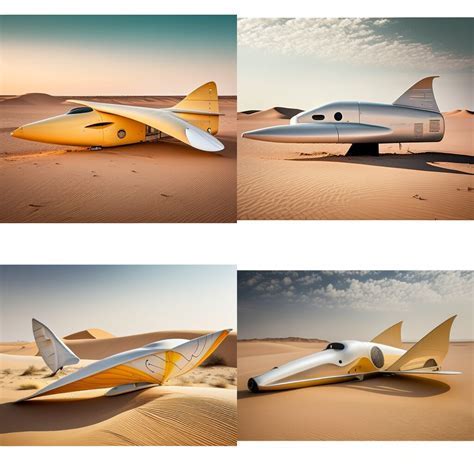
This design philosophy not only promotes sustainable travel but also targets significantly reduced noise levels—by up to 50%—and operational costs that are expected to be 10% lower than traditional aircraft.
A Strategic Alliance with EasyJet
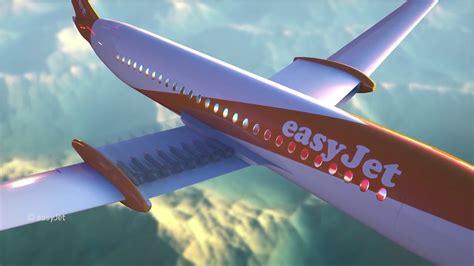
One of the most pivotal moments in Wright Electric’s development occurred in September 2017, when it partnered with UK low-cost carrier EasyJet to co-develop a 180-seat electric airliner. The collaboration aimed for entry into service by 2027, with a shared ambition to transition short-haul flights to fully electric aircraft. EasyJet’s involvement brought not just capital but also critical access to European aviation infrastructure and regulatory environments.
Through this partnership, Wright Electric’s technology roadmap gained real-world traction, and the team began working toward the Wright 1—a groundbreaking 186-seat electric airliner.
Technical Ambitions: The Wright 1 Airliner
The Wright 1 is the company’s most ambitious project to date. Designed to offer a range of up to 800 nautical miles (1,500 km), the aircraft would directly compete with current regional jets used on short-haul routes. It aims to feature:
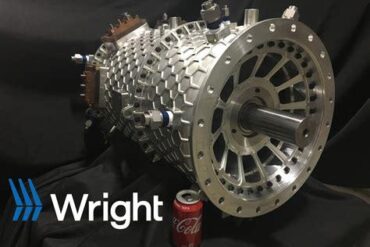
- A 1.5 MW electric motor under development since 2020
- 3 kV inverters engineered for efficient power conversion
- Zero-emission operation using modular battery systems or alternative power sources such as hydrogen fuel cells
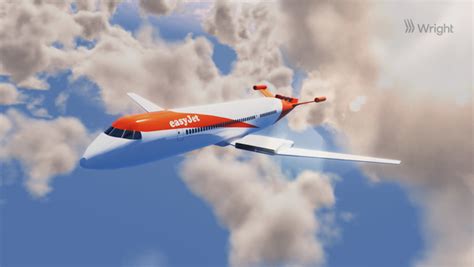
Ground testing for the motor began in 2021, with flight testing planned by 2023. Wright Electric targets 2030 as the year when Wright 1 will enter commercial service, a timeline that puts it at the forefront of electric aviation pioneers.
Pushing the Envelope with Hybrid Testbeds
Before fully electrified airliners become viable, Wright Electric has invested heavily in hybrid-electric development platforms. In 2019, the company conducted testing using a commercially available electric motor paired with a Pratt & Whitney Canada PT6A turboprop. This hybrid system was mounted on a nine-seat test aircraft, offering a critical opportunity to refine powertrain performance under real-world flight conditions.
Moreover, the company constructed two electric propulsion test stands:
- One featuring two 250 kW UQM motors and Hartzell propellers, developed with Yates Electrospace
- Another housed on a 10,000 lb trailer, allowing high-altitude testing at remote sites
These testbeds enable Wright to iterate rapidly and collect vital telemetry across variable environmental conditions.
Modular Aircraft Development Path
Wright Electric isn’t diving straight into large commercial aircraft. Instead, it follows a modular development path, beginning with smaller aircraft and scaling up:
- Two-seat proof-of-concept aircraft powered by 272 kg of batteries
- A proposed 10-seater for short routes and private charters
- Gradual scale-up to the 50-seat segment
- Final transition to the flagship 186-seat Wright 1
Each step represents a critical validation milestone, allowing Wright Electric to build a scalable technology stack while navigating regulatory and commercial complexities.
Wright Spirit: Converting Existing Airframes
In 2021, Wright Electric announced plans to convert the BAe 146 regional jet—an existing four-engine turbofan aircraft—into an all-electric model named the Wright Spirit. The electric retrofit aims to provide an hour of endurance, enough for high-frequency shuttle routes.
The conversion would replace each of the BAe 146’s four turbofans with high-performance electric motors, powered either by aluminum fuel cells or hydrogen-based energy systems.
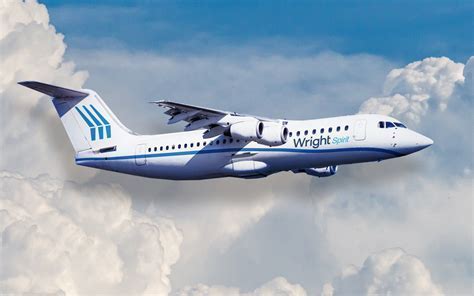
This retrofit program offers a faster path to market by adapting certified airframes rather than waiting for new aircraft type certification—an enormous benefit in time and cost savings.
International Partnerships and Financial Backing
The company’s journey has been supported by a strong network of partners and investors. Notably:
- Y Combinator, the famed Silicon Valley accelerator, provided early-stage capital
- Jetex, a Dubai-based fixed-base operator, invested in 2018, offering access to 30 global aviation hubs
- Axter Aerospace, a Spanish hybrid-electric developer, contributes valuable real-world flight experience
These alliances have bolstered Wright Electric’s credibility and global reach, positioning it as a serious contender in the race for electric aviation.
Recognition and Industry Impact
Wright Electric’s work has not gone unnoticed. In 2020, the company received the World Finance Sustainability Award, recognizing it as the most sustainable aircraft manufacturer globally. This accolade underscores Wright’s commitment not only to innovation but to achieving real environmental outcomes in an industry traditionally dominated by carbon-intensive technologies.
Looking Ahead: Electric Aviation in 2030 and Beyond
As we approach 2030, Wright Electric is poised to play a crucial role in redefining how the world flies. With commercial aviation accounting for 2–3% of global CO2 emissions, electrification offers a path forward that aligns with both regulatory mandates and consumer expectations.
If the Wright 1 enters service as planned, it could transform short-haul aviation, reducing emissions, lowering noise pollution, and cutting operational costs. Its potential impact spans:
- Regional connectivity, especially between underserved or high-traffic routes
- Decentralized airport usage, due to reduced infrastructure requirements
- Lowered barriers to entry for new airline operators due to lower energy and maintenance costs
Conclusion: A New Era in the Skies
Wright Electric represents a paradigm shift in aviation. Through a strategic blend of technology innovation, global collaboration, and environmental commitment, the company is not merely building aircraft—it is shaping the future of air travel.
The journey is long and the challenges immense, but if Wright Electric stays its course, the first generation of commercial zero-emission electric jets will soon redefine what it means to fly responsibly in the 21st century.